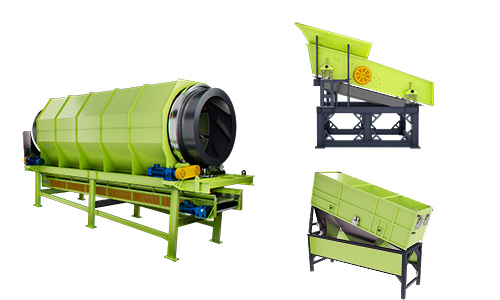
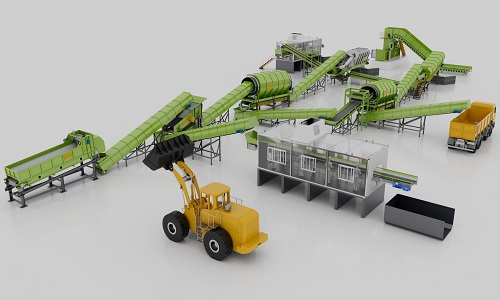
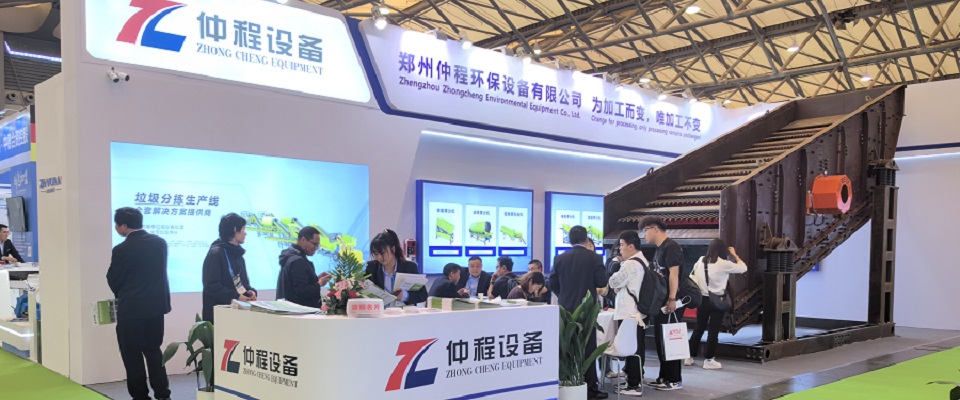
Focus on the latest trends in the field of solid waste treatment, deeply analyze the technological innovation and application of screening equipment, and share multi-scenario screening solutions, successful cases and process optimization experience.
In the material handling stage of modern industrial production, the performance of screening equipment directly determines production efficiency and product quality. As a groundbreaking screening technology, the gyratory screen, with its unique three-dimensional vibration principle, breaks through the efficiency bottleneck of traditional screening equipment when handling viscous and wet materials, becoming a core piece of equipment in chemical, food, and pharmaceutical industries. With its high efficiency, stability, and environmental friendliness, it provides a brand-new solution for industrial production and promotes the development of screening technology towards higher standards and a better user experience.
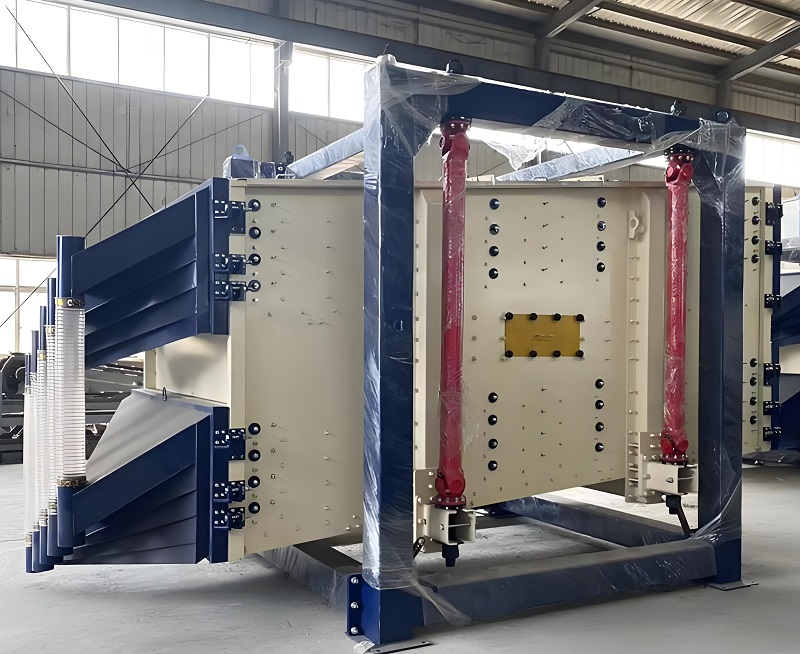
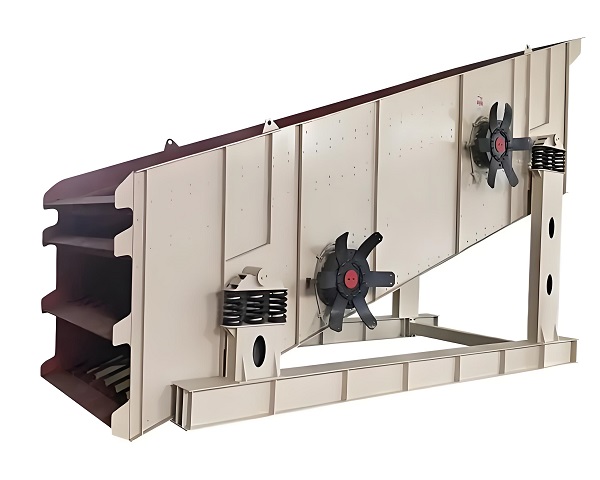
The gyratory screen is a high-efficiency screening equipment designed based on the "three-dimensional vibration" principle, widely used in chemical, food, pharmaceutical, mining, and other industries for the classification and screening of granular and powdered materials. Its unique motion and structural design make it perform exceptionally well in handling viscous, wet, or easily clogged materials, making it an important piece of equipment in the field of modern industrial screening.
A. Working Principle
The core working principle of the gyratory screen is three-dimensional compound vibration. A motor drives eccentric blocks to generate vibrations of a specific frequency and amplitude, causing the screen box to move synchronously in three directions: horizontal, vertical, and inclined. This movement drives the material on the screen surface to form a "three-dimensional tumbling" trajectory.
1. Power Source and Vibration Generation
The power of the gyratory screen is provided by a vibration motor at the bottom. The motor contains two eccentrically rotating blocks. When the motor operates, the centrifugal force generated by the eccentric blocks is decomposed into horizontal and vertical components. The horizontal component causes the screen box to move in a reciprocating linear motion, while the vertical component causes the screen box to move up and down. The combination of these two movements creates complex three-dimensional vibration.
2. Material Movement and Screening Process
The material enters uniformly from the feed inlet at the top of the screen box. Under the action of three-dimensional vibration, the material does not simply slide along the screen surface, but is "thrown up" and falls in a complex parabolic trajectory. The characteristics of this motion are:
a. Large particles: tumble and jump on the screen surface, moving quickly and not easily clogging the screen, allowing them to quickly reach the discharge outlet.
b. Small particles: pass through the screen mesh and fall into the lower screen box.
c. Materials of different particle sizes are collected at their respective discharge outlets, completing the screening process. 3. Anti-Clogging Screen Design
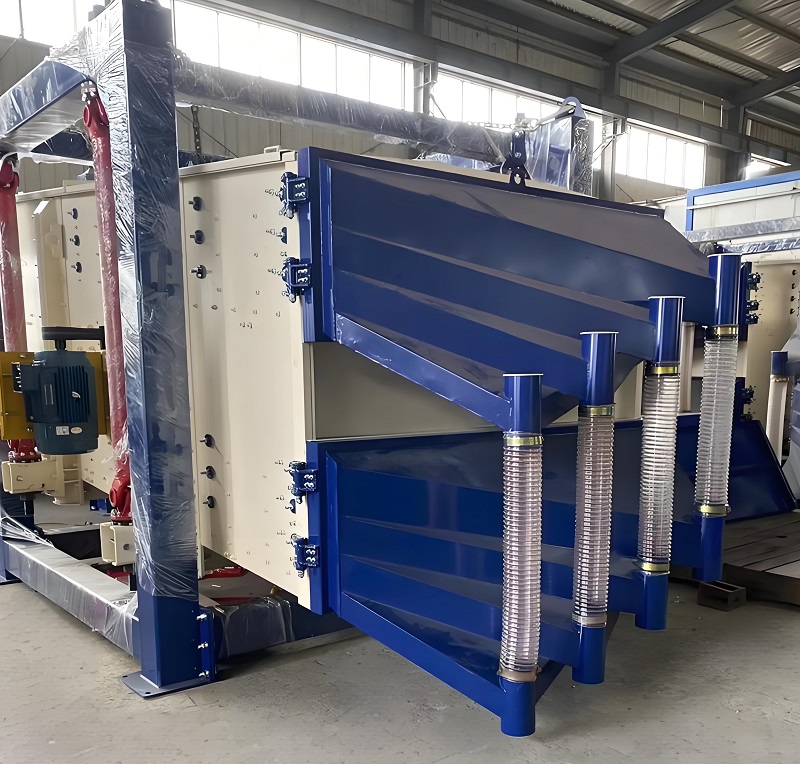
A significant advantage of the gyratory screen is its unique oscillating motion, which causes the material to constantly "jump" and "change direction" on the screen surface. This greatly reduces the residence time and accumulation of material on the screen, effectively preventing screen clogging, especially suitable for processing materials with high viscosity and a tendency to agglomerate.
B. Main Features
1. High Screening Efficiency and Large Throughput
The strong tumbling and throwing motion generated by the three-dimensional vibration greatly increases the contact frequency and contact area between the material and the screen, making the screening efficiency far higher than traditional linear swing screens. Under the same conditions, its throughput can be increased by more than 30%.
2. Strong Adaptability and Wide Application Range
The gyratory screen has strong adaptability to materials. Whether it is dry granular materials, wet powders, or materials with a certain viscosity, it can perform effective screening. It can handle a wide range of material particle sizes, from a few millimeters to hundreds of millimeters.
3. High Screen Utilization Rate and Long Service Life
Due to the three-dimensional movement of the material reducing the impact and wear on the screen, and the reduced clogging, the effective area utilization rate of the screen is high, thus extending the service life of the screen and reducing replacement costs.
4. Low Noise and Stable Operation
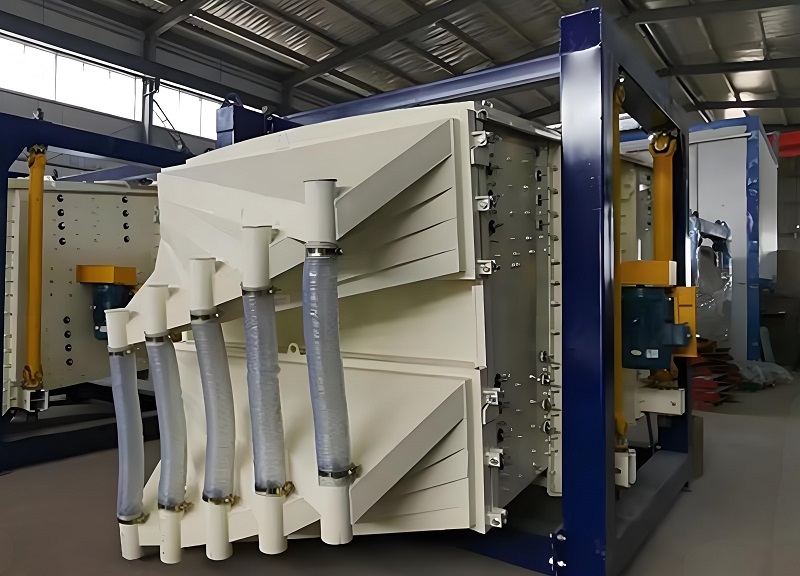
Using flexible connections and precise dynamic balance design, the noise generated by the gyratory screen during operation is far lower than traditional swing screens, usually below 75 decibels. At the same time, the vibration transmitted to the foundation is small, the operation is stable, and the failure rate is low.
5. Compact Structure, Convenient Operation and Maintenance
The gyratory screen has a relatively compact structure and occupies a small area. Its control system is simple and easy to operate. The screening effect can be easily adjusted by adjusting the frequency and amplitude of the vibration motor. Equipment maintenance is also relatively simple, making it easy to achieve automation and continuous production.
6. Good Environmental Performance
Because the screening process is enclosed and dust is not easily dispersed, the gyratory screen produces less dust pollution during operation, meeting the environmental protection requirements of modern industry.
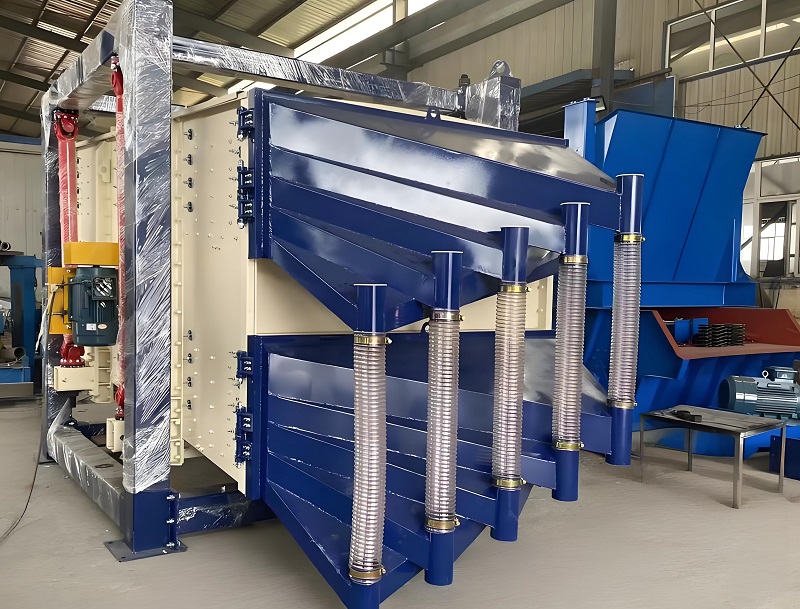
With its unique three-dimensional vibration screening principle, the gyratory screen demonstrates significant advantages in high-efficiency screening, anti-clogging, and low noise, making it an indispensable equipment in modern industrial production. With the continuous development of industrial technology, the automation and intelligence levels of gyratory screens are constantly improving, leading to even broader application prospects. For companies requiring efficient, stable, and environmentally friendly screening solutions, gyratory screens are undoubtedly a trustworthy choice.
The emergence of gyratory screens has not only redefined industry standards for efficient screening but has also brought improved production efficiency and cost optimization to numerous companies with its strong adaptability and reliability. From fine material classification to large-scale industrial production, it consistently serves as an indispensable piece of equipment in modern industry, thanks to its stable performance and excellent capabilities. In the future, with continuous technological advancements, gyratory screens will continue to lead innovation in the screening field, injecting new vitality and possibilities into high-quality production across various industries.

 Phone: +86 187 3819 4110
 E-mail: sales@zchmachinery.com
 Address: 36 xueyuan road, Zhengzhou City, Henan Province, China.


© 2025 ZhongCheng ECO
Technical support: Beijing Century Network