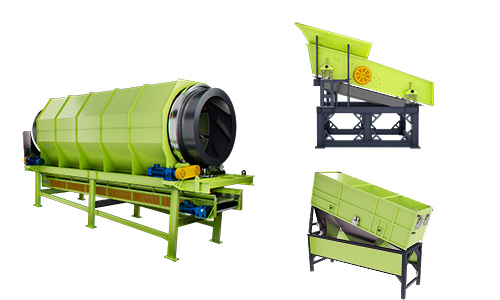
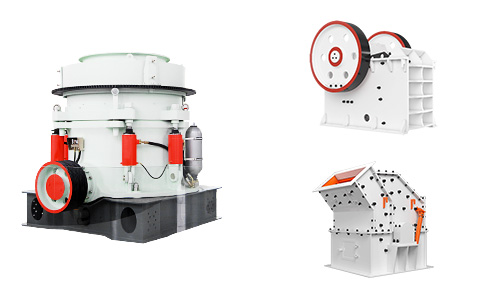
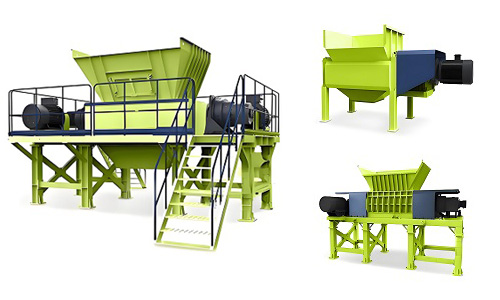
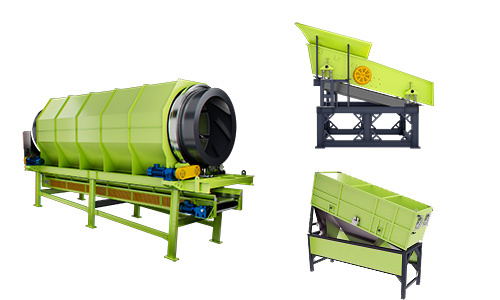
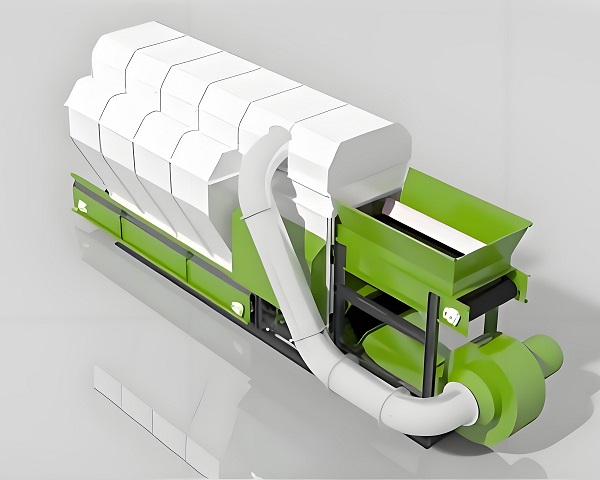
The latest trommel screen, air separators, magnetic separators, vibrating screens, tension screens, bar screens and other screening products and the latest technical information in the garbage screening industry.
 Home > News > Industry News
Under the dual drive of the construction of a "zero waste city" and the circular economy strategy, the resource utilization of construction waste has become a core issue in urban ecological governance. As a key hub in the resource chain, the technological evolution of the screening system directly determines the quality of recycled products and the realization of project value. About 60% of the construction waste generated annually in our country can be converted into renewable resources through screening, crushing and other processes. This data not only highlights the potential of the industry, but also puts higher demands on screening technology. At present, the construction waste screening system has entered a comprehensive development stage of "precise classification, intelligent control, and green adaptation" from the traditional "extensive separation" stage, forming distinct characteristics of the times in technological innovation and industrial application, while also nurturing a clear development direction.
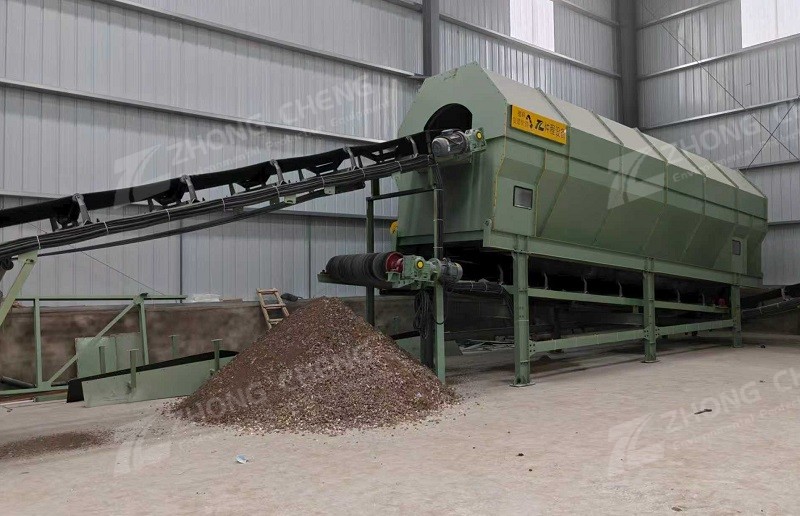
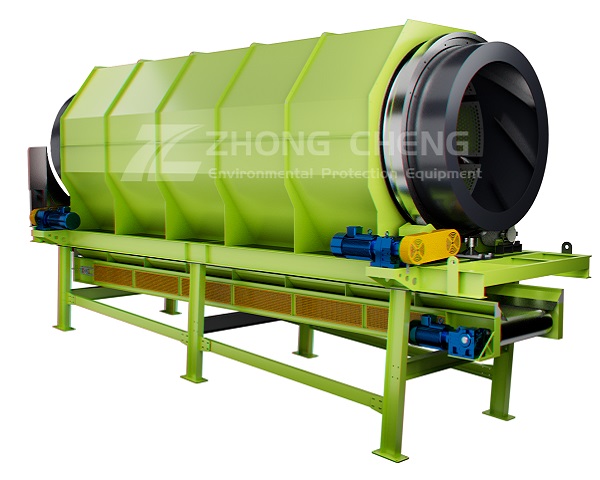
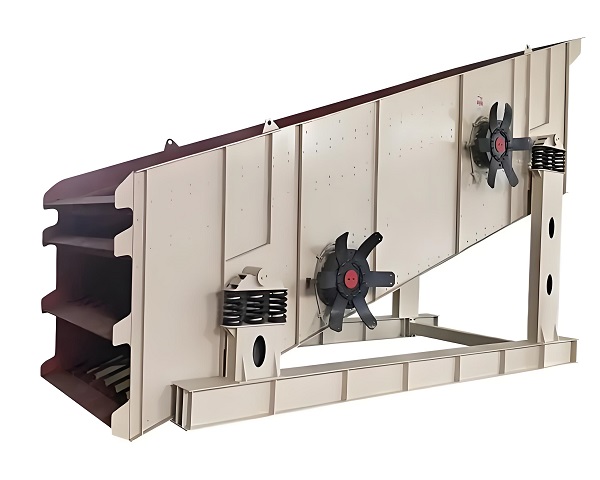
From the perspective of technological development status, the core breakthrough of screening systems lies in the dual improvement of adaptability to complex working conditions and screening efficiency. The composition of urban construction waste is extremely complex, with mixed materials such as concrete blocks, brick and tile fragments, waste metals, plastic films, etc., and significant differences in hardness and moisture content between different batches of materials. Traditional standardized screening equipment often faces problems such as clogged sieve holes, chaotic grading, and rapid component wear. To solve this pain point, modern screening systems have formed a full process solution of "material analysis customized design system integration". In terms of equipment structure, new types of equipment represented by eccentric bouncing screens have become mainstream. They use asymmetric vibration to cause materials to jump and roll on the screen surface, and use the difference in specific gravity to achieve efficient separation of light and heavy materials. They are particularly suitable for the treatment of construction waste mixed with lightweight plastics and heavy bricks. The screening surface material has also achieved a qualitative leap, and the widespread application of wear-resistant materials such as high manganese steel allows the equipment to cope with the continuous impact of hard materials with ease, significantly extending its service life.
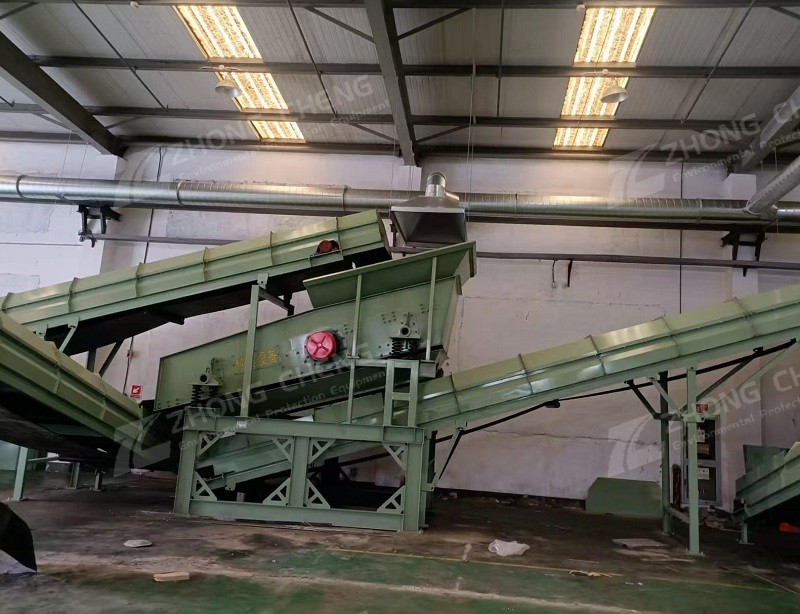
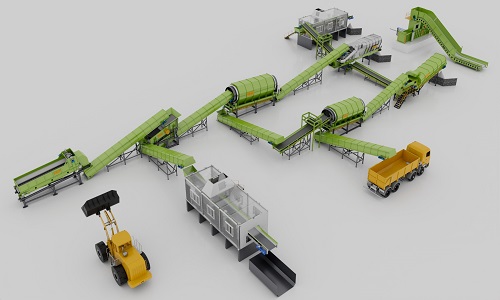
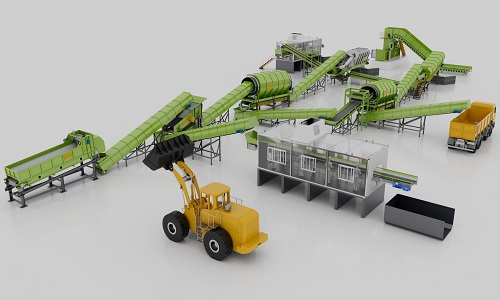
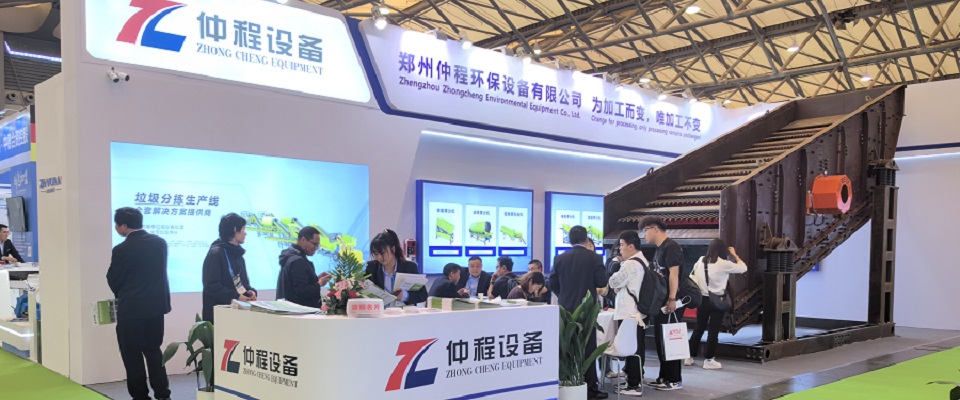
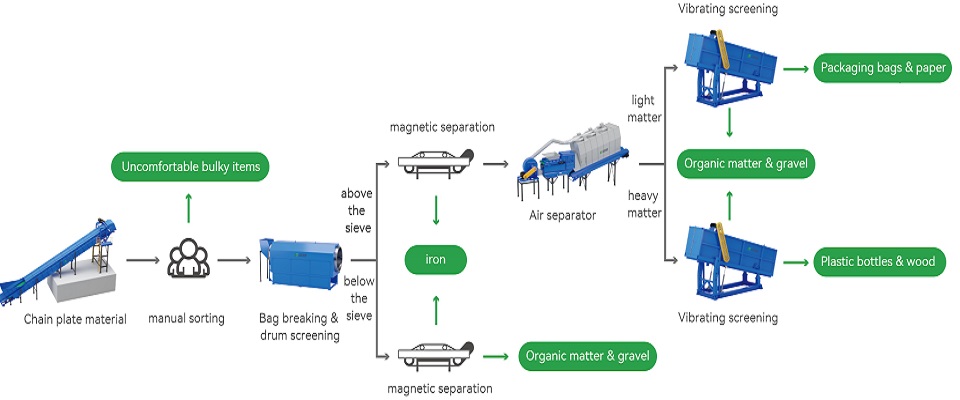
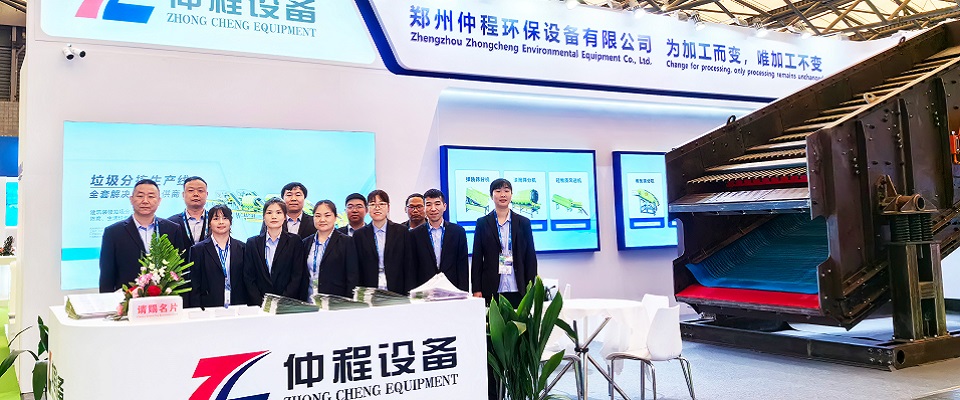
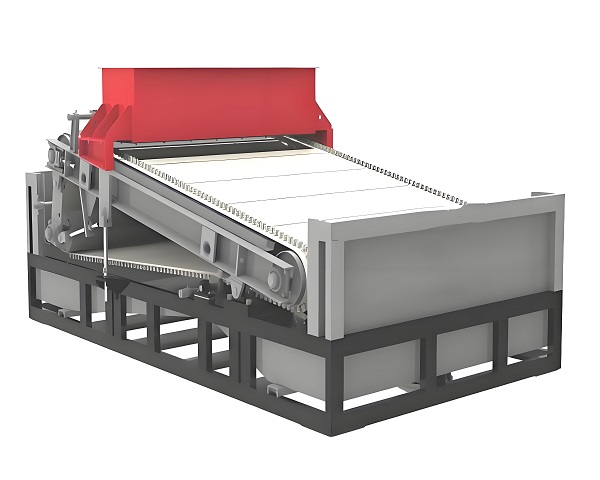
The maturity of multi-stage screening and precise grading technology has greatly increased the value of recycled aggregates. Traditional single-layer screens can only achieve coarse and fine separation, while modern resource utilization projects require the subdivision of construction waste into multiple specifications to meet the requirements of different products such as recycled concrete, permeable bricks, and roadbed materials. Therefore, multi-layer screening screens and high-frequency vibration equipment have emerged, and some four layer vibration screens can simultaneously output five specifications of products, significantly improving screening efficiency compared to traditional equipment. In the impurity removal process, the degree of system integration continues to improve. The magnetic separator, air separator, and main screening equipment are precisely linked, which can efficiently separate magnetic metals such as steel bars from lightweight impurities such as plastics and wood, stabilizing the qualification rate of recycled aggregates at a high level. The modular sorting production line launched by Zhengzhou Zhongcheng Environmental Protection has achieved a breakthrough of over 90% utilization rate of construction waste resources through a closed-loop process of pre screening, coarse crushing, and fine sorting, becoming an industry application model.
The enhancement of environmental performance is another core feature of the current development of screening technology. Dust and noise are the two major challenges in the environmental impact assessment of construction waste treatment projects, and traditional open equipment is difficult to meet urban environmental standards. Modern screening systems incorporate core processes such as screening and conveying into a closed system through fully enclosed workspace design. Combined with pulse dust removal and spray dust reduction systems, they can control dust emission concentrations at extremely low levels, far exceeding national and local standards. In terms of noise control, the combination of low-noise motors, optimized shock absorption structures, and sound barriers significantly reduces the operating noise of equipment, effectively avoiding disputes that disturb residents, and providing the possibility for the deployment of screening systems in suburban areas of cities. This design concept of "pollution source control+efficient resource recycling" has completely changed the passive mode of "pollution first, treatment later" in traditional construction waste disposal.
Intelligent upgrading has become the core competition track for screening system technology, promoting the transformation of operation mode from "mechanical operation" to "intelligent control". The deep integration of sensors and IoT technology enables devices to have real-time monitoring of operating status, fault warning, and remote parameter adjustment capabilities. The system collects data such as material flow rate, screen pressure, and equipment temperature through multi-dimensional sensors, and uploads it to the cloud management platform. Management personnel can achieve "unmanned" remote monitoring through computers or mobile terminals. More importantly, the application of intelligent algorithms enables devices to have adaptive adjustment capabilities - when an increase in material humidity is detected, resulting in an increase in screening area, the system will automatically adjust the speed and amplitude to prevent clogging of the mesh; When the impurity content suddenly increases, the residence time of the material is extended to ensure thorough separation. This dynamic adaptation capability not only reduces the need for manual intervention, but also significantly reduces the fluctuation range of screening quality, providing a guarantee for standardized production of recycled products. Some advanced equipment is also equipped with intelligent recognition systems, which accurately distinguish particles of different materials through high-speed sensing technology, allowing "defective products to be exposed" and further improving sorting accuracy.
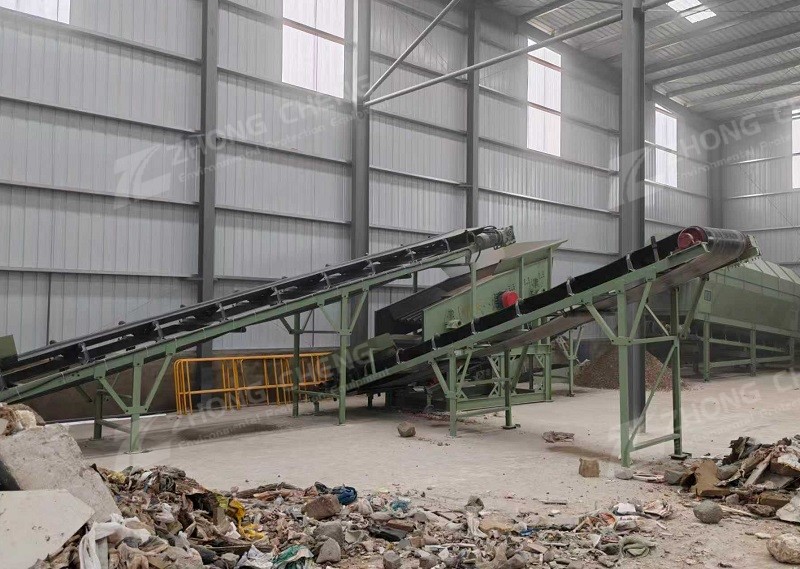
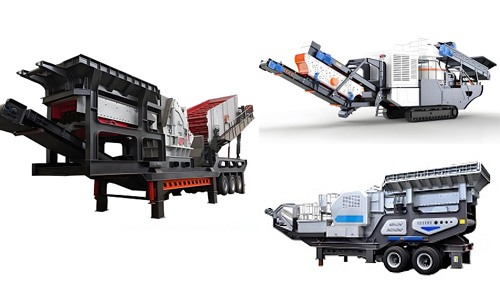
Looking ahead to the future, the technological development of construction waste screening systems will present three clear trends. Firstly, the direction of modular and mobile development is more clear. The dispersed nature of construction waste sources determines that "nearby treatment" is the optimal path to reduce transportation costs and secondary pollution. Therefore, mobile screening stations that can be quickly deployed have become a hot topic in the industry. These devices integrate screening, conveying, dust removal and other modules into containers, without the need for complex infrastructure, and can complete site transfer and debugging within a few hours. They can not only meet the batch processing needs of large-scale demolition sites, but also adapt to the decentralized processing scenarios of community decoration waste. Modular design also enables the system to have strong flexibility in combination, allowing for the addition or removal of equipment units based on processing scale and material characteristics, achieving "on-demand configuration" and greatly improving the economic and applicability of technical solutions.
Secondly, intelligence will be deeply extended towards "full process intelligent control". The future screening system will achieve full chain data-driven management from material entry to finished product delivery, optimize screening parameters through big data analysis, and combine AI algorithms to predict equipment loss cycles, achieving "predictive maintenance" and minimizing unplanned downtime. The human-machine collaboration mode will also be further upgraded, with manual labor shifting from heavy operational tasks to system monitoring and anomaly handling, improving efficiency while reducing labor intensity and safety risks. For example, some enterprises have implemented a combination of remote monitoring and regular inspections to provide operation and maintenance support, ensuring timely response through a nationwide service network and building a smart ecosystem of "equipment+service".
Finally, technological innovation will focus more on "energy efficiency improvement and scenario expansion". In terms of energy consumption, the popularization of variable frequency drive systems will further reduce equipment energy consumption. By dynamically adjusting operating parameters based on material characteristics, energy-saving goals can be achieved while ensuring efficiency. The expansion of application scenarios is reflected in the processing capacity of special construction waste. For complex materials such as high moisture content slag and decoration waste containing toxic and harmful coatings, specialized screening technology will continue to emerge, promoting the development of construction waste resource utilization from "bulk processing" to "fine classification". At the same time, the connection between the screening system and the subsequent recycling process will be more closely integrated, forming an integrated production line of "screening crushing forming", achieving seamless conversion from "garbage" to "building materials", and further enhancing the added value of the industry.
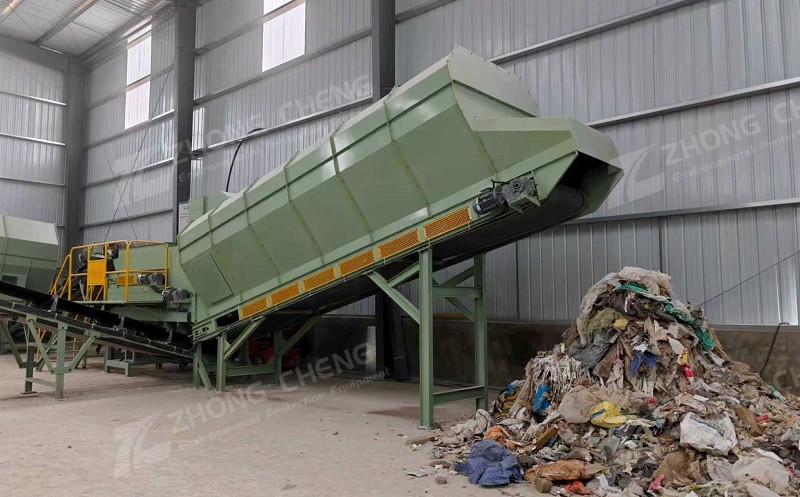
From the perspective of the overall development of the industry, the dual promotion of policy support and market demand will continue to accelerate the iteration and upgrading of screening technology. The deepening of the construction of a "zero waste city" has transformed the policy oriented utilization of construction waste resources into a market necessity, providing a broad market space for screening equipment. The advancement of technology, in turn, drives the continuous reduction of resource utilization costs, forming a virtuous cycle of "policy guidance technological innovation market maturity". Represented by Zhongcheng Environmental Protection, enterprises have successfully put customized solutions, robust equipment performance, and full-service into operation in multiple provinces and cities such as Henan, Shandong, and Jiangsu, setting a benchmark for technological applications in the industry.
The technological development of construction waste screening systems has entered a new stage of "precision, intelligence, and green", and the trend of transformation from single equipment manufacturing to comprehensive solution provision is becoming increasingly evident. Currently, efficient equipment represented by eccentric bouncing screens, wear-resistant technology centered on high manganese steel, and environmentally friendly design characterized by full enclosure together constitute the core support of the current technological situation; Modular mobility, full process intelligence, and scenario customization clearly indicate the future development direction. These technological innovations will not only promote the continuous improvement of the utilization rate of construction waste resources, but also provide solid technical support for the construction of "waste free cities" and the development of circular economy, truly transforming the former "urban waste" into "resource wealth" that supports urban construction.

 Phone: +86 187 3819 4110
 E-mail: sales@zchmachinery.com
 Address: 36 xueyuan road, Zhengzhou City, Henan Province, China.


© 2025 ZhongCheng ECO
Technical support: Beijing Century Network