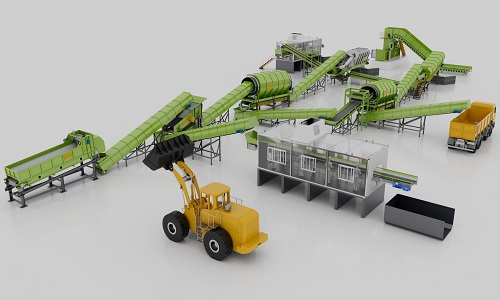
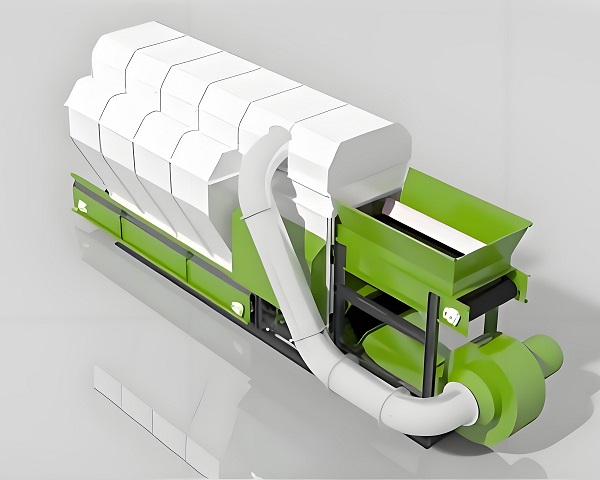
Focus on the latest trends in the field of solid waste treatment, deeply analyze the technological innovation and application of screening equipment, and share multi-scenario screening solutions, successful cases and process optimization experience.
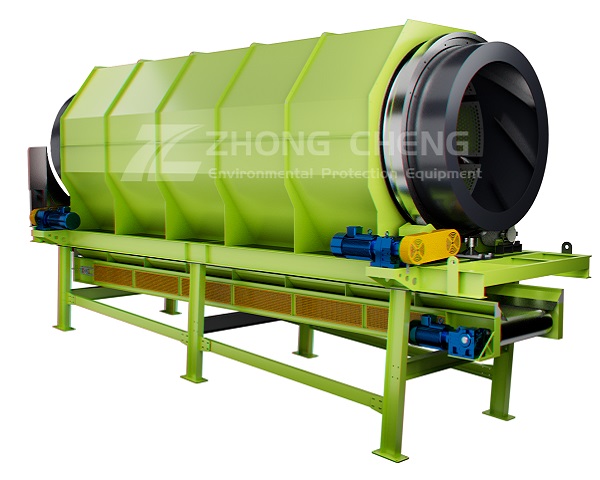
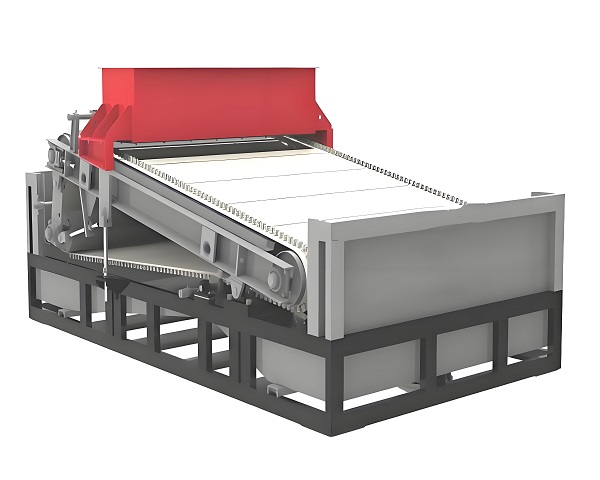
In heavy industries such as mining crushing, coal washing, and building material processing, screening equipment plays a crucial role in raw material pretreatment and grading. finger screens, with their unique structural design, occupy an irreplaceable position in coarse screening scenarios. Compared to vibrating screens and circular vibrating screens, finger screens use parallel bars as their core screening element, achieving efficient material separation through a scientific structural combination. Their structural characteristics directly determine their adaptability and operational advantages under complex working conditions. A thorough analysis of the structural composition and characteristics of finger screens, clarifying their core advantages compared to traditional screening equipment, has significant guiding significance for equipment selection and process optimization in industrial production.
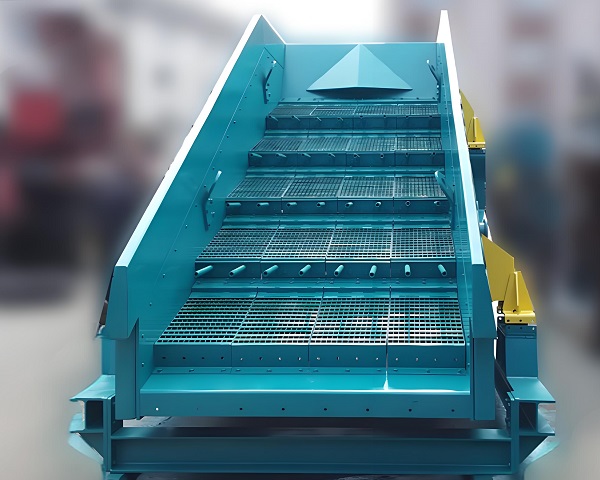
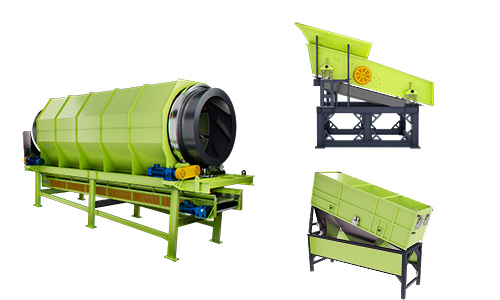
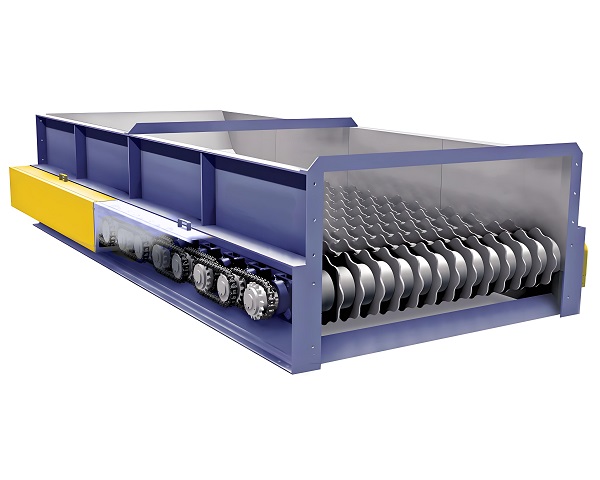
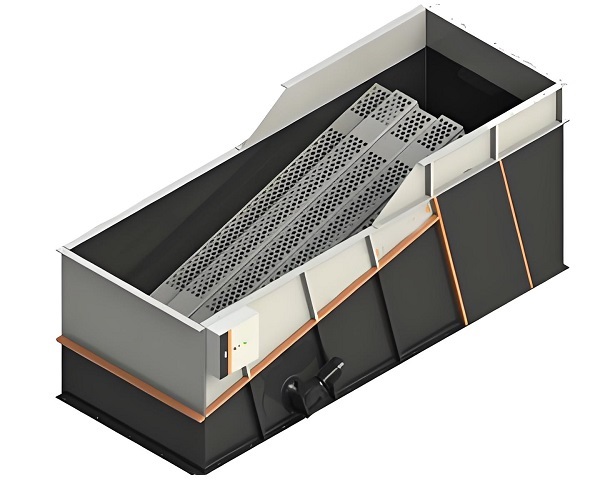
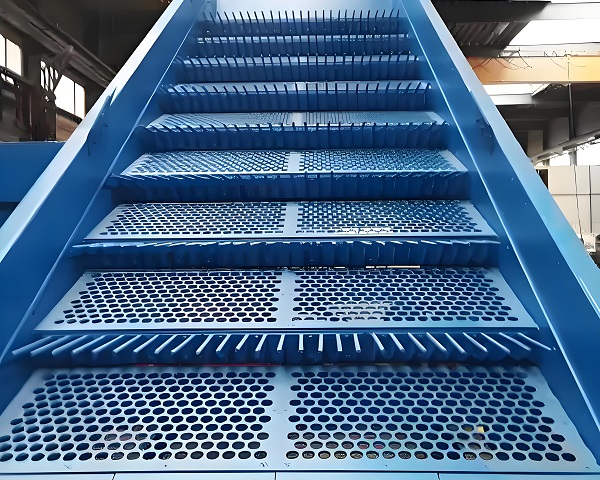
The structural system of a bar screen is function-oriented, mainly consisting of four parts: the screening mechanism, the vibration system, the support device, and the frame. These parts work together to form a stable and efficient screening capacity. The screening mechanism, as the core working unit, consists of a set of parallel bars. The bar spacing can be flexibly adjusted according to screening requirements, typically varying within the range of 10-100mm to adapt to the grading needs of materials with different particle sizes. The bars are arranged in a parallel, evenly spaced pattern. In some special working conditions, a variable spacing structure can be used to achieve integrated coarse and semi-fine screening. The cross-sectional shape of the bars themselves is optimized, mostly circular, rectangular, or trapezoidal. Among them, the trapezoidal cross-section, due to its wider top and narrower bottom structure, reduces material jamming and improves screening efficiency, making it the most widely used bar type.
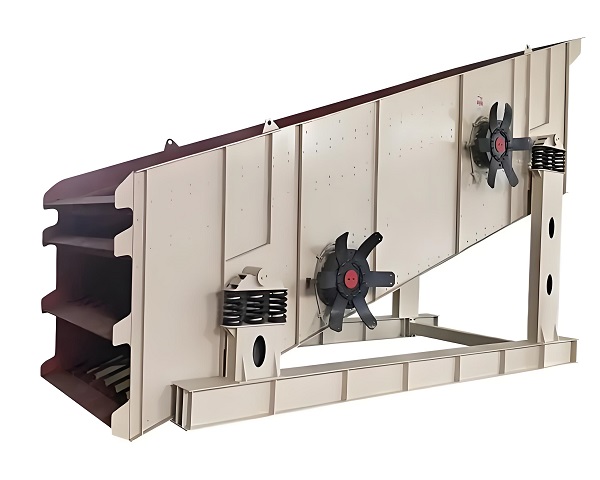
The vibration system is the core power source driving the material movement. Most mainstream finger screens use a dual-motor self-synchronous vibration method, with two identical vibration motors symmetrically installed, utilizing the inertial force of the motor rotors to generate high-frequency vibration. Compared to single-motor drive, the dual-motor system provides a more uniform excitation force to the screen body, with the amplitude stable within the range of 3-8mm. The vibration frequency can be adjusted to 12-25Hz according to the material characteristics, effectively avoiding screening dead zones caused by uneven vibration. Some large finger screens are also equipped with elastic damping devices, which absorb vibration energy through spring assemblies, reducing the impact on the frame and foundation during equipment operation and extending the service life of the equipment. The support system employs a combination of rigid brackets and elastic connectors, ensuring the stability of the screen body during vibration while providing reasonable movement space for the vibration system, ensuring smooth and efficient screening operations.
The frame, serving as the load-bearing foundation, utilizes a welded steel structure, annealed to eliminate welding stress, providing sufficient rigidity and resistance to deformation. Adjustable feet are typically installed at the bottom of the frame to facilitate adjustment of the screen inclination angle according to site conditions, generally controlled between 15° and 20° to balance material residence time and conveying speed. Some mobile finger screens also integrate a walking mechanism, allowing for flexible relocation of the work position according to production needs, adapting to highly mobile operating environments such as open-pit mines. Furthermore, both the feed and discharge ports of the bar screen are equipped with buffer devices. The inlet guide plate guides material to be evenly distributed on the screen surface, preventing localized overload; the discharge baffle precisely guides materials of different particle sizes to their corresponding conveying paths, improving the efficiency of subsequent processes.
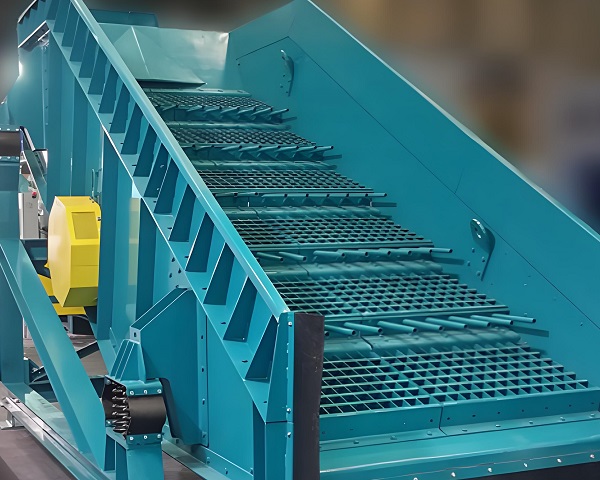
The unique structural design endows finger screens with numerous core advantages, primarily in their superior anti-clogging capability. Industrial raw materials often contain large pieces of material and sticky impurities. Traditional finger screens are prone to material jamming due to their narrow gaps, while finger screens have larger bar spacing and trapezoidal cross-sections that provide excellent flow conductivity, preventing material from adhering to the bar surface under vibration. Simultaneously, the bar vibration trajectory is linear or elliptical, impacting any material stuck in the gaps and allowing it to flow smoothly, effectively reducing the probability of clogging. Application data from a coal company shows that when processing raw coal with a moisture content of over 15%, the clogging rate of the bar screen is only 3%, far lower than the 18% clogging rate of traditional finger screens.
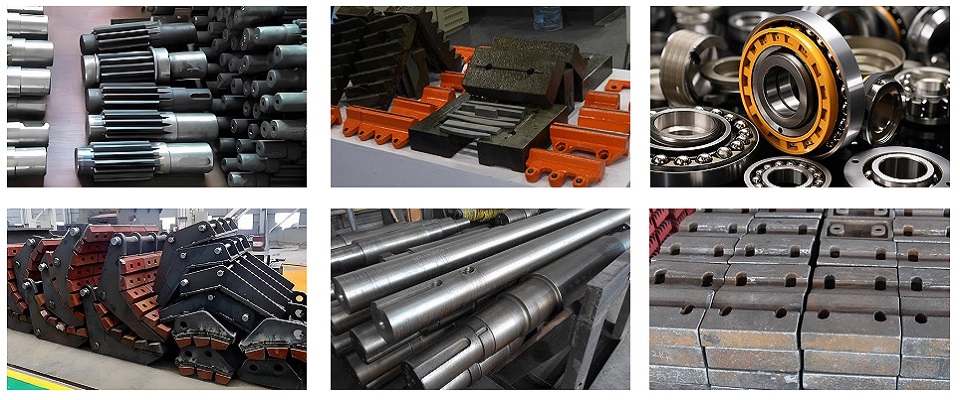
High wear resistance and long service life are another significant advantage of finger screens, stemming from the material selection and structural design of their core components. As the component that directly contacts the material, the bars are mostly made of high-manganese steel, wear-resistant alloys, or composite ceramics. High-manganese steel bars can reach a hardness of HRC50 or higher, forming a work-hardened layer when subjected to material impact, further enhancing wear resistance. Compared to the screen mesh of a vibrating screen, the bars have a larger cross-sectional area, stronger resistance to bending and fracture, and are less prone to damage when processing large, high-hardness materials. Practice shows that in mining ore screening scenarios, the service life of high-manganese steel bars can reach 6-12 months, 3-5 times that of traditional steel screens, significantly reducing the replacement frequency of vulnerable parts and maintenance costs.
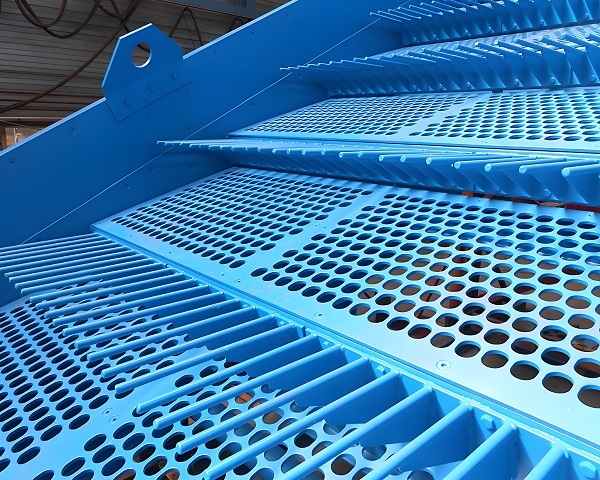
High processing capacity and high screening efficiency are key reasons why finger screens are widely favored in industrial production. finger screens have a high screening area utilization rate; the parallel bars form a continuous screening zone, and the material throughput can reach over 85%. Meanwhile, its optimized vibration system design ensures uniform screen vibration, allowing materials to quickly stratify on the screen surface. Large pieces slide down the screen surface to the coarse material outlet, while fine materials fall through the gaps between the bars into the fine material collection device, effectively improving screening efficiency. In limestone processing lines in the building materials industry, a single large bar screen can handle 1000-1500 tons/hour, perfectly matching the feeding requirements of large-scale crushing production lines and avoiding capacity limitations of the entire production line due to bottlenecks in the screening process.
High adaptability and ease of operation are also important advantages of finger screens. The bar spacing can be flexibly adjusted via an adjustment device; simply loosening the fixing bolts moves the bar positions, enabling rapid switching between different screening specifications and adapting to the processing needs of various materials. Regarding vibration parameter adjustment, the vibration frequency can be adjusted by changing the speed of the vibration motor. Combined with the adjustment of the screen surface inclination angle, it can effectively cope with changes in material moisture content, particle size distribution, and other operating conditions. Furthermore, the bar screen has a relatively simple structure. Routine maintenance mainly focuses on checking bar wear and lubricating the vibrating motor. Operators can complete maintenance tasks after simple training, lowering the operational threshold and maintenance costs. Data from a cement company shows that the average maintenance time for the bar screen is only one-third that of the vibrating screen, and the equipment's effective operating rate remains above 95%.
In terms of environmental protection and energy conservation, the bar screen also demonstrates outstanding advantages. Its vibration system adopts a dual-motor self-synchronization design with reasonable motor power matching, reducing energy consumption by 15%-20% compared to traditional screening equipment. Simultaneously, the vibration during equipment operation is buffered by elastic damping devices, keeping noise levels below 85dB, meeting industrial noise emission standards. The high screening efficiency of the bar screen also reduces the load on subsequent crushing equipment, lowering energy consumption in the crushing stage by about 10%, achieving an integrated energy-saving effect of "screening-crushing." In the current context of industrial production pursuing green and low-carbon practices, the environmental and energy-saving advantages of the bar screen further enhance its market competitiveness.
The structural characteristics of finger screens are closely linked to their core advantages. The scientifically arranged bars, stable vibration system, and robust frame structure collectively contribute to their anti-clogging, high wear resistance, and large throughput characteristics. In today's industrial production, where the requirements for screening equipment are increasingly stringent, finger screens are finding wider application in coarse screening due to their strong adaptability to complex working conditions, high efficiency, and economical operating costs. With the integration of materials technology and intelligent control technology, the structure of finger screens will be further optimized, and their advantages will become even more prominent, providing stronger equipment support for upgrading production processes across various industries.

 Phone: +86 187 3819 4110
 E-mail: sales@zchmachinery.com
 Address: 36 xueyuan road, Zhengzhou City, Henan Province, China.


© 2025 ZhongCheng ECO
Technical support: Beijing Century Network