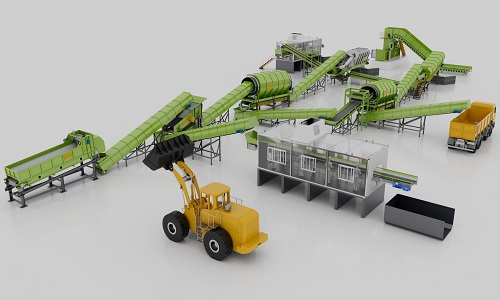
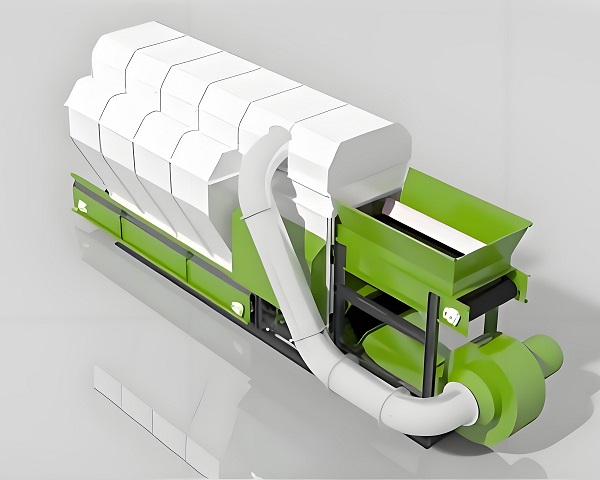
Focus on the latest trends in the field of solid waste treatment, deeply analyze the technological innovation and application of screening equipment, and share multi-scenario screening solutions, successful cases and process optimization experience.
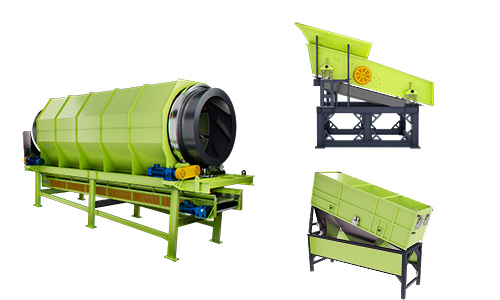
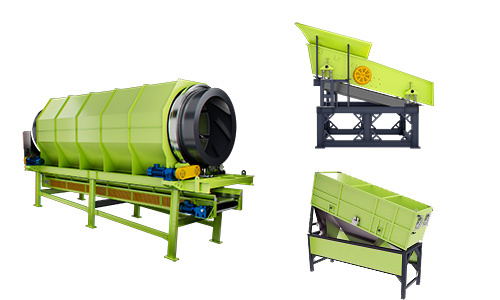
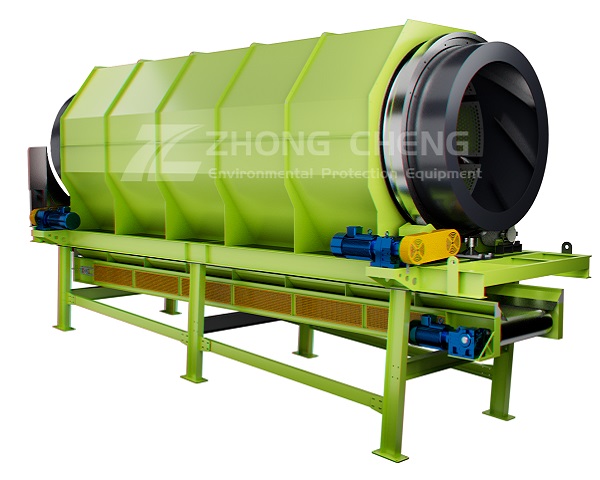
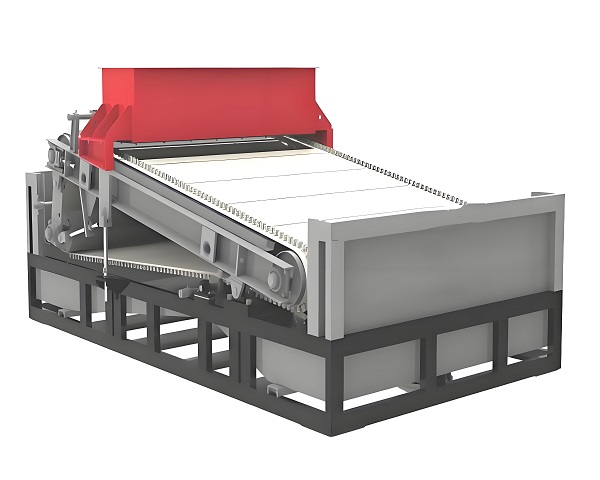
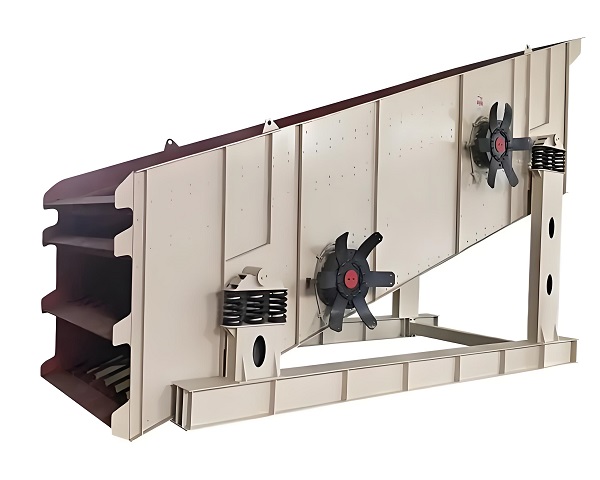
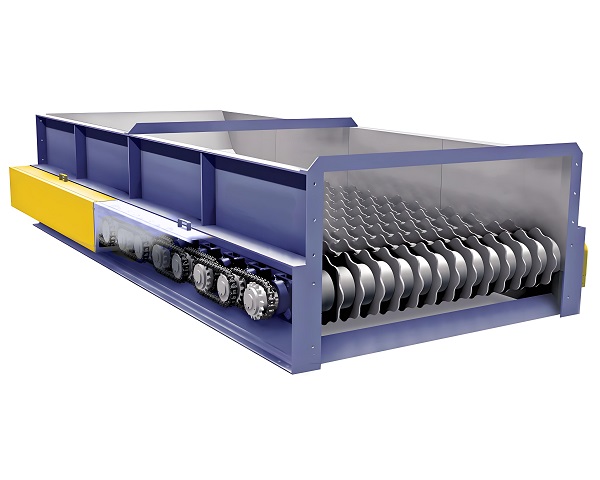
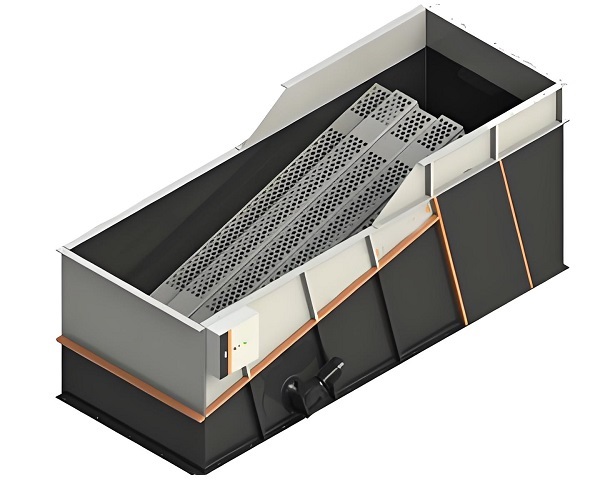
In industries such as mining, building materials, and coal, screening equipment is a crucial link in material processing. Bar screens, with their unique structural advantages, have become core equipment for pre-treatment before coarse and medium crushing. Using a set of parallel bars as screening elements, they achieve material classification through vibration or gravity, directly impacting not only subsequent processing efficiency but also production energy consumption and product quality. A deep understanding of the core function of bar screens and exploring ways to improve their effectiveness is of significant practical importance for optimizing industrial production processes.
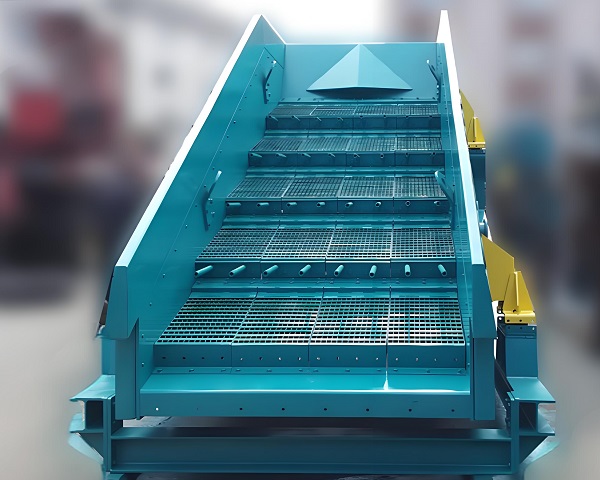
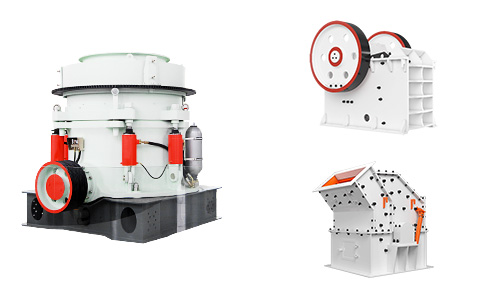
The core function of bar screens is reflected in three dimensions: material classification, protection of downstream equipment, and improvement of production efficiency. In terms of material classification, it can accurately separate materials of different particle sizes, effectively separating large impurities from qualified raw materials, providing uniform feed for subsequent crushing equipment, and avoiding the problem of low crushing efficiency caused by excessive differences in raw material particle size. For example, in mining, after blasting, the ore is screened by a bar screen. Larger pieces of ore larger than 50mm are transported separately to the coarse crusher, while materials smaller than 50mm directly enter the medium crushing stage, ensuring that the crushing equipment is always operating at its optimal load. Protecting downstream equipment is another crucial function of bar screens. Industrial raw materials often contain hard impurities such as iron blocks and reinforcing bars. If these directly enter the crusher, they can cause wear on vulnerable parts like jaw plates and liners, and even lead to equipment jams and shutdowns. The bar spacing of a bar screen can be adjusted to meet specific needs, intercepting and promptly discharging large debris, significantly reducing the failure rate of downstream equipment. Data from a coal company shows that after adding a bar screen before raw coal crushing, the replacement cycle for vulnerable parts of the crusher increased from 15 days to 45 days, and equipment downtime was reduced by more than 60%.
The continuous operation capability of bar screens plays a key role in improving overall production efficiency. Compared to traditional bar screens, bar screens have a larger screening area, higher material throughput, and are less prone to clogging. In limestone processing lines in the building materials industry, bar screens can handle 800-1200 tons per hour, matching the feeding requirements of large-scale crushing production lines and preventing bottlenecks in the screening process from limiting the overall production line's capacity. Meanwhile, its stable screening accuracy effectively controls product particle size distribution, reduces rework rates of defective products, and indirectly improves production efficiency.

Despite the significant advantages of bar screens, their screening effect often has room for improvement in practical applications due to factors such as material characteristics, equipment parameters, and operating methods. Based on industrial experience, their performance can be improved from three aspects: structural optimization, parameter control, and daily maintenance.
Structural optimization is fundamental to improving the performance of bar screens. The selection of bar material must be based on material characteristics. For high-hardness ores, using bars made of high-manganese steel or wear-resistant alloys can reduce wear rates by more than 40%; while for high-moisture coal, using smooth-surfaced stainless steel bars can reduce material adhesion. At the same time, the rational design of the bar gap is crucial. Too large a gap can lead to the loss of qualified material, while too small a gap can easily cause clogging. The optimal gap value needs to be determined through experiments based on the raw material particle size distribution. Furthermore, optimizing the vibration system structure and adopting a dual-motor self-synchronous vibration method can make the screen body vibrate more uniformly, with an amplitude stable at 3-5mm, improving material stratification and screening efficiency.
Parameter control is a key means to improve screening efficiency. Stable control of the feed rate is crucial. By setting up a feed buffer device and a variable frequency feeder, the feed rate fluctuation can be controlled within ±5%, avoiding overloading the screen surface due to excessive feed or wasting capacity due to insufficient feed. The proper matching of vibration frequency and amplitude is also essential. For coarse particles, a low frequency of 12-15Hz and a large amplitude of 5-8mm are used to promote the movement of large particles; for fine particles, a high frequency of 18-22Hz and a small amplitude of 2-4mm are selected to accelerate the passage of fine particles through the screen. Furthermore, adjusting the screen inclination angle to 15°-20° can increase the material conveying speed while ensuring material residence time and reducing material accumulation on the screen.

Daily maintenance and operational procedures are essential for ensuring the continuous and efficient operation of the bar screen. A regular inspection system should be established, cleaning the bars of obstructed material and debris daily, and checking bar wear weekly. Bars should be replaced promptly when the wear exceeds 20% of their original diameter. For key components such as vibratory motors and bearings, monthly lubrication and maintenance are performed to ensure smooth operation. Simultaneously, operator training is strengthened to ensure they master parameter adjustment methods for different material characteristics, preventing decreased screening efficiency due to operational errors. A cement company increased the effective operating rate of its bar screen from 85% to 98%, and improved screening efficiency by 12%, by establishing standardized maintenance procedures.
With the development of industrial intelligence, the performance of bar screens can be further improved through intelligent technology. By installing vibration sensors and material level sensors on the screen body, vibration parameters and feed rate data are monitored in real time, and combined with an intelligent control system, parameters are automatically adjusted. When the sensors detect increased material moisture causing blockage, the system automatically increases the vibration frequency and amplitude, and simultaneously activates a high-pressure spray device to clean the screen surface; when the feed rate changes abruptly, the variable frequency feeder can adjust the feed speed in real time to ensure stable screen operation. The application of intelligent technology transforms the bar screen from "passive maintenance" to "proactive optimization," further enhancing its ability to adapt to complex working conditions.
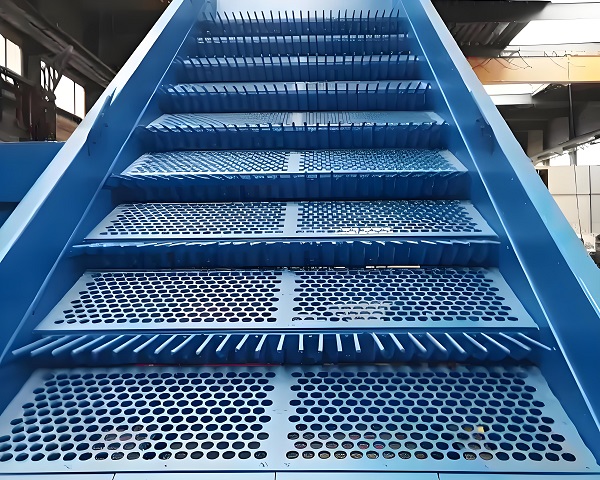
As a key pretreatment device in industrial production, the bar screen's screening effect directly impacts the efficiency and cost of subsequent production stages. By clarifying its core roles in material grading, equipment protection, and efficiency improvement, and by taking measures from multiple dimensions such as structural optimization, parameter control, daily maintenance, and intelligent upgrades, its screening accuracy and processing capacity can be effectively improved. Against the backdrop of industrial production's continuous pursuit of high efficiency and energy conservation, ongoing exploration of technological innovation and optimization paths for bar screens will provide strong support for the upgrading of production processes across various industries, driving the development of screening equipment towards greater efficiency, intelligence, and reliability.

 Phone: +86 187 3819 4110
 E-mail: sales@zchmachinery.com
 Address: 36 xueyuan road, Zhengzhou City, Henan Province, China.


© 2025 ZhongCheng ECO
Technical support: Beijing Century Network