Focus on the latest trends in the field of solid waste treatment, deeply analyze the technological innovation and application of screening equipment, and share multi-scenario screening solutions, successful cases and process optimization experience.
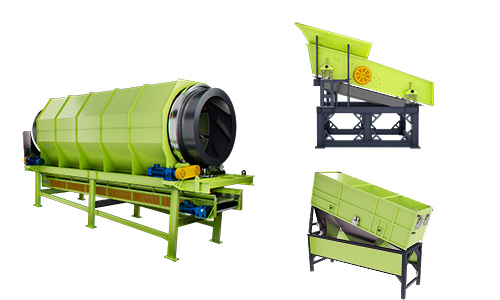
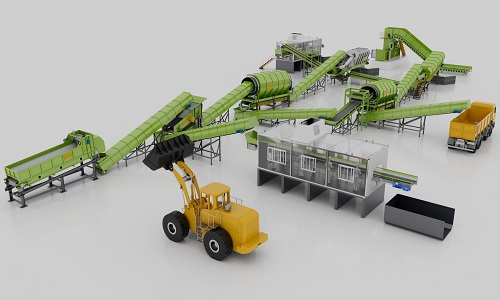
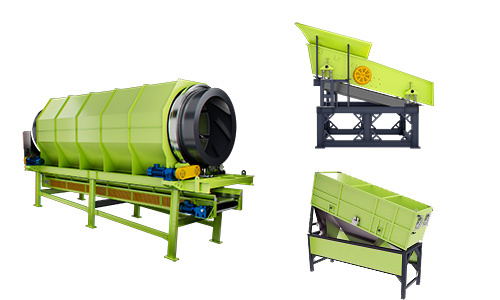
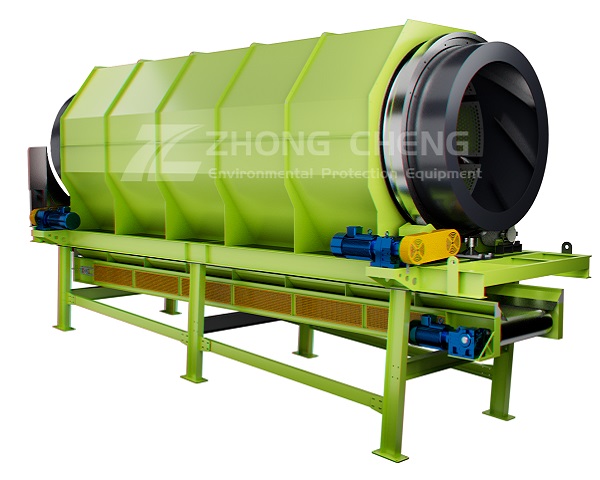
As one of the core equipment in the construction waste screening system, the drum screen is widely used in renewable resource utilization projects due to its efficient classification ability for block and granular materials. Its working principle is to drive the drum to rotate through a motor, and use the difference in mesh aperture to achieve material classification and screening. However, in complex construction waste treatment conditions, the standardized operation, real-time monitoring, and scientific maintenance of the equipment directly determine the screening efficiency, operating life, and operational safety. Both novice operators and experienced operation and maintenance personnel need to strictly follow the usage precautions to avoid equipment failures, reduced production capacity, and even safety accidents caused by improper operation, ensuring that the drum screen is always in a stable and efficient operating state.
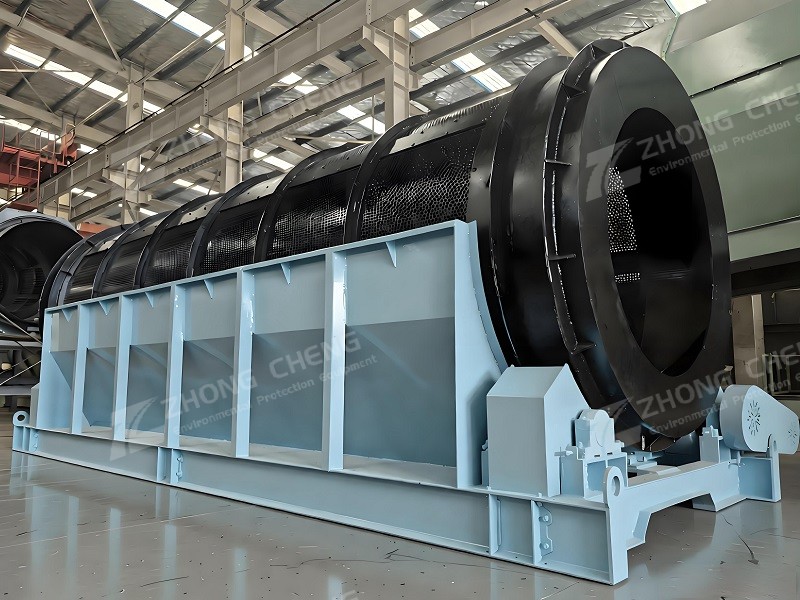
The preparation work before equipment startup is the first line of defense to ensure safe operation, which must be comprehensive and meticulous, without leaving any hidden dangers. Firstly, it is necessary to conduct a site and environmental inspection, clean up the debris and obstacles around the drum screen, ensure sufficient operating space for the equipment, and especially avoid hard objects such as metal tools and discarded steel bars from approaching the drum area to prevent them from being caught up and causing equipment damage after startup. At the same time, the drainage situation of the work site should be checked. If there is water accumulation on the site, it should be promptly drained to avoid soaking the equipment base or motor, which may cause circuit failure or component corrosion. For mobile drum screens, it is also necessary to confirm whether the equipment support is stable and whether the hydraulic support legs are fully extended and in contact with the ground to prevent shaking or tipping during operation.
The pre inspection process of the equipment itself is equally critical and needs to be investigated from multiple dimensions one by one. The transmission system is a key inspection object, and operators should carefully observe the belt transmission device to confirm whether the belt tension is appropriate - too loose can easily cause slipping and loss of rotation, reducing screening efficiency; Tightness will exacerbate bearing wear and shorten its service life. At the same time, check the surface of the belt for cracks, aging, and other conditions. If any damage is found, it should be replaced in a timely manner. For chain driven drum screens, it is necessary to ensure sufficient lubrication of the chain, good meshing, and no hidden dangers of jamming or abnormal noise. The bearing part is the "joint" of the equipment. Before starting, it is necessary to check the lubricating oil level of the bearing seat to ensure that the oil is sufficient and clean. If the oil shows emulsification, discoloration, or excessive impurities, it must be completely replaced. When replacing, the lubricating oil model that meets the requirements of the equipment manual must be selected, and it cannot be mixed arbitrarily.
Screen inspection is one of the core steps before startup, which directly affects the quality of screening. The operator needs to confirm one by one whether the screen mesh is intact, whether there is any damage, deformation or looseness, and pay special attention to the connection between the screen mesh and the drum frame. If loose bolts are found, they should be tightened in a timely manner. For multi-layer sieve structures, it is necessary to check whether the aperture of each layer of sieve meets the current screening requirements, in order to avoid poor grading results caused by mismatched sieves. In addition, it is necessary to clean the residual materials inside the sieve, especially the large debris left after the previous operation, to prevent clogging of the sieve holes or causing local damage to the sieve due to excessive force after starting. The inspection of motors and electrical systems cannot be ignored. It is necessary to confirm that the power lines are firmly connected, without damage, aging, or exposure, that the switches, indicator lights, and protective devices in the distribution box are normal, and that the grounding circuit is reliably connected to avoid safety accidents caused by leakage.
The equipment startup process should follow the principle of "gradual progress, first empty and then loaded" to avoid the impact of sudden excessive load on the equipment. Before starting, a warning signal should be issued to remind surrounding personnel to stay away from the operating area of the equipment. After confirming that no one is working or staying, start the equipment in the order of "auxiliary equipment - main equipment" - first start the supporting equipment such as the conveyor belt and dust removal system, and wait for their stable operation before starting the main motor of the drum screen. At the moment of startup, it is necessary to closely monitor the operating status of the equipment, listen carefully to whether there are any abnormal noises in the motor and transmission system, observe whether the drum rotates smoothly, whether there is any deviation or shaking, etc. If any abnormalities are found, stop the machine immediately for inspection and do not operate with faults.
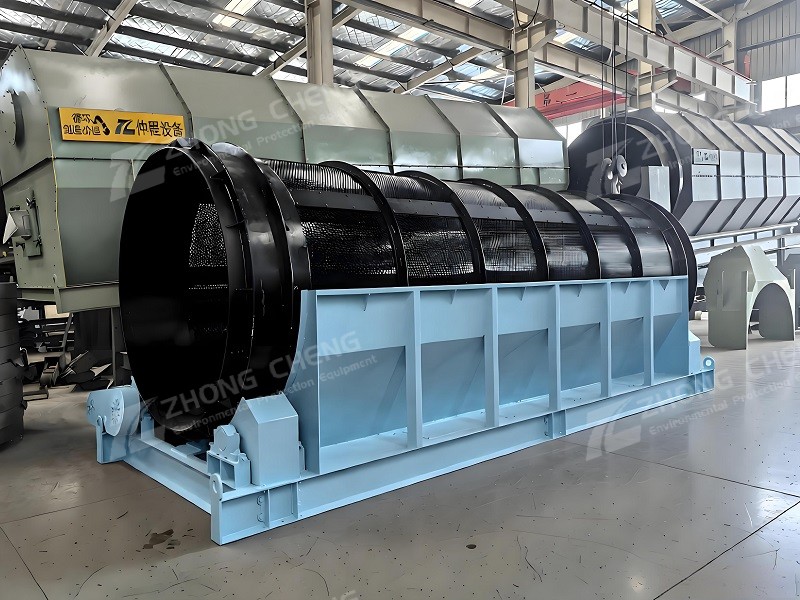
Idle trial operation is an important step after startup, usually lasting 5-10 minutes, to verify the coordination of the operation of various components of the equipment. During this period, operators need to focus on monitoring the temperature of the bearings. Under normal circumstances, the temperature rise of the bearings should not exceed 30 ℃, and the maximum temperature should not exceed 70 ℃. If overheating of the bearings is found, it may be caused by insufficient lubricating oil, mismatched models, or bearing wear, and it needs to be dealt with in a timely manner. At the same time, observe the operation status of the screen mesh to ensure that there is no severe shaking or displacement during the rotation of the drum. The indicator lights and instrument displays of the electrical system should be normal and there should be no alarm signals triggered. After the idle operation is normal, the feeding operation can begin. The feeding should follow the principle of "uniform and continuous, gradually increasing", and the material flow should be controlled through the adjustment device on the feeding hopper to avoid overloading of the drum caused by excessive feeding at once, resulting in problems such as decreased speed and screening blockage.
Real time monitoring and operational standards during equipment operation are the core of ensuring screening efficiency and equipment safety. Material management is a key link in the operation process, and operators need to continuously pay attention to the uniformity of the feed. If material clumps or contains oversized stones (such as materials with a diameter exceeding three times the sieve aperture), they need to be stopped and cleaned in a timely manner to prevent clogging of the sieve aperture or jamming of the drum. For common metal impurities in construction waste, it is necessary to ensure the normal operation of the front-end iron removal equipment to prevent hard objects such as steel bars and scrap iron from entering the drum, causing damage to the sieve or blockage of the transmission system. During the screening process, it is necessary to regularly check the quality of the screened products. If too many large impurities are found in the undersized material, or a large number of qualified particles are mixed in the undersized material, it may be caused by damaged screen mesh, improper aperture selection, or abnormal drum speed. It needs to be adjusted or repaired in a timely manner.
The monitoring of equipment operating parameters needs to be normalized, and operators should record key data such as motor current, voltage, and bearing temperature every hour, establish an operating ledger, and predict equipment operating status through data changes. When the motor current remains consistently high, it may be caused by feed overload or equipment blockage. It is necessary to immediately reduce the feed amount and check the equipment; If the current fluctuates between high and low, it may be due to poor contact in the electrical system, and the machine needs to be stopped to check the circuit. The stability of the drum speed directly affects the screening effect. If abnormal speed is found, the tightness of the transmission belt or chain should be checked and adjusted if necessary. In addition, the equipment should be kept clean during operation, and scattered materials on the surface and around the drum should be cleaned in a timely manner to prevent material accumulation from affecting equipment heat dissipation or causing safety hazards.
Environmental and safety regulations must be strictly followed during operation. Screening construction waste can easily generate dust pollution. It is necessary to ensure the continuous operation of the dust removal system and regularly clean the filter bags of the pulse dust collector to prevent clogging of the filter bags and a decrease in dust removal efficiency. Operators are required to wear protective equipment such as dust masks and goggles to avoid inhaling dust. Noise control is equally important. If the operating noise of the equipment suddenly increases, it may be caused by loose or worn components, and it needs to be repaired in a timely manner. At the same time, sound insulation warning signs should be set up in the work area to avoid non operating personnel from approaching. When the equipment is running, it is strictly prohibited for operators to insert their hands, tools, etc. into the drum or touch the transmission components. If it is necessary to clean the screen or inspect the equipment, the machine must be stopped and the power must be cut off first, and a "no start" sign must be hung before starting the operation to prevent others from accidentally operating and causing safety accidents.
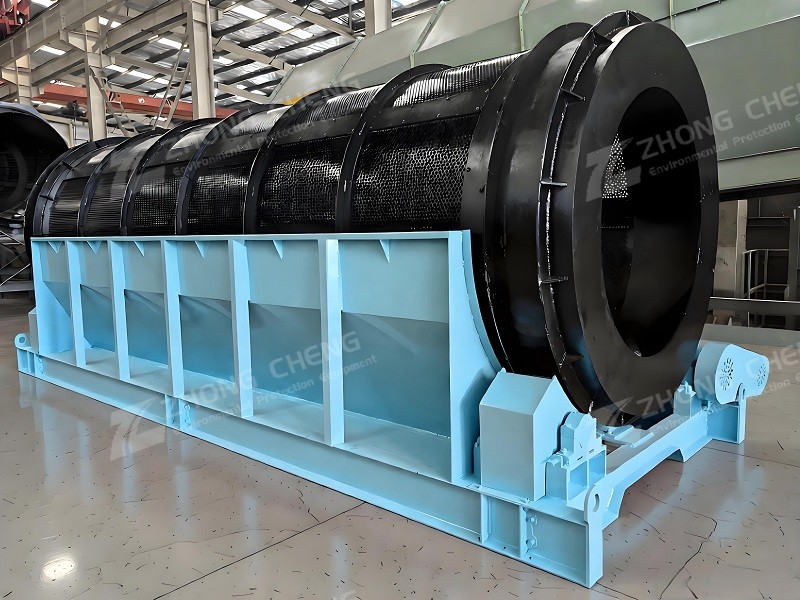
The shutdown operation of the equipment should follow the principle of "stopping materials first, then stopping", ensuring that the materials in the drum are completely discharged, and then turning off the power in the order of "main equipment auxiliary equipment". Before stopping the machine, the feeding should be stopped first. When the drum continues to rotate until there is no residual material in the screen, the main motor of the drum screen should be turned off, and then the supporting equipment such as the conveyor belt and dust removal system should be turned off in sequence. After shutdown, the equipment needs to be thoroughly cleaned, with a focus on removing residual materials inside the drum and on the screen mesh to avoid material clumping and hardening, which may affect the next start-up. For materials with high viscosity, high-pressure water guns can be used to rinse the screen, but care should be taken to avoid water flowing into the motor or electrical system. At the same time, it is necessary to check the wear and tear of each component of the equipment, such as whether the belt is loose, whether the screen is damaged, and whether there is any abnormal noise from the bearings. If any problems are found, they should be recorded and repaired in a timely manner.
Daily and regular maintenance are the key to extending the service life of the drum screen and reducing operating costs. It is necessary to establish a full process maintenance system of "daily inspection, regular maintenance, and fault repair". Daily maintenance mainly includes basic work such as equipment surface cleaning, lubricant replenishment, and bolt tightening, which operators need to complete after the end of each day's work. For example, check and tighten the fixing bolts of the drum frame and motor base to prevent bolts from loosening due to long-term vibration; Supplement lubricating oil for bearings and transmission systems to ensure sufficient lubrication of all moving parts; Clean the dust inside the electrical control cabinet and maintain good heat dissipation.
Regular maintenance should be carried out in accordance with the requirements of the equipment manual, usually divided into three levels: weekly, monthly, and quarterly. The weekly maintenance focuses on checking the integrity of the screen mesh. If a small area of damage is found on the screen mesh, it can be repaired by welding or replacing a partial screen mesh. If the damaged area is too large, it needs to be replaced as a whole; Check the tension of the transmission belt, adjust or replace any loose belts to ensure transmission efficiency. Monthly maintenance requires a comprehensive inspection of the bearings, opening the end cover of the bearing seat, cleaning the old oil, and checking the wear of the bearings. If rust or ball wear is found on the bearings, they should be replaced in a timely manner; Check the roundness and levelness of the drum. If there is any deformation or deviation, it needs to be corrected by adjusting the support device. Quarterly maintenance requires a comprehensive disassembly and inspection of the equipment, with a focus on repairing the transmission system, motor, and electrical control system, replacing aging seals, wires, and other vulnerable components to ensure the overall stability of the equipment performance.
The management of vulnerable parts is the core content of maintenance work. It is necessary to establish a vulnerable parts ledger, clarify the replacement cycle of components such as screens, belts, bearings, and seals, and reserve sufficient spare parts in advance to avoid prolonged downtime due to component shortages. As a core vulnerable component, the service life of the screen mesh is affected by factors such as material hardness and feed rate, usually around 3-6 months. In daily use, it is necessary to avoid the impact of large hard objects to extend its service life. The service life of bearings is generally 1-2 years, and regular lubrication and cleaning are the key to extending their life. Poor quality lubricating oil or mixing different types of oil should not be used.
The troubleshooting of equipment should follow the principle of "diagnosis first, maintenance later" to avoid blind disassembly. Among common malfunctions, screen blockage is a common problem, mainly caused by high moisture content of materials, small screen holes, or uneven feeding. When dealing with it, manual cleaning, high-pressure water flushing, or adjusting the feeding amount can be used. If the blockage is severe, the machine needs to be stopped to remove the screen for thorough cleaning. Roller deviation is also a common fault, often caused by uneven wear of the supporting wheels or imbalance of the rollers. It can be corrected by adjusting the height or position of the supporting wheels. When the equipment experiences severe vibration, it may be due to uneven distribution of materials inside the drum, loose bolts, or damaged bearings. It is necessary to stop the machine for inspection and targeted treatment. In terms of electrical faults, if the motor cannot start, it is necessary to first check the power supply, switches, and circuit connections, eliminate short circuits or poor contacts, and then check whether the motor itself is faulty.
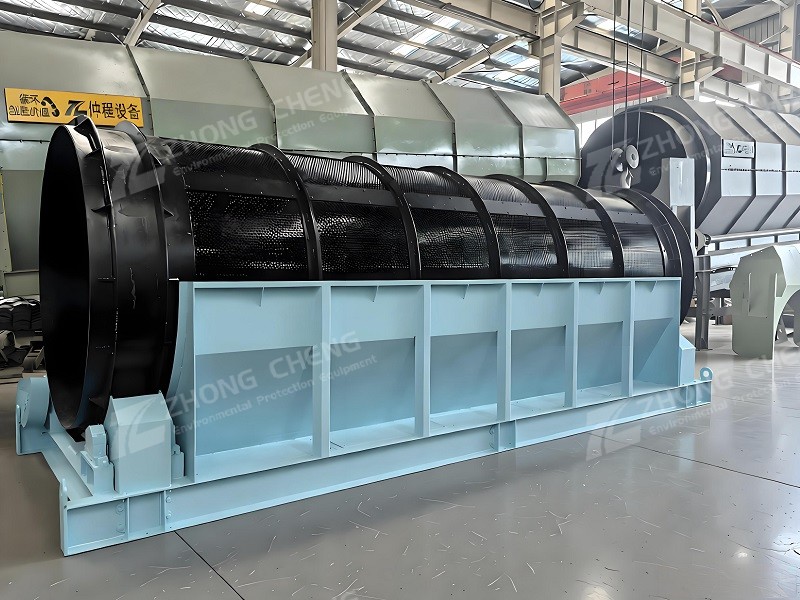
When the drum screen is idle for a long time or seasonally shut down, it is equally important to seal and maintain it, and it is necessary to do a good job in moisture-proof, rust proof, and dust-proof treatment. Firstly, thoroughly clean the equipment, removing all material residues inside the drum, on the screen, and on the surface of the equipment. Wipe the surface of the equipment with a cloth, and apply rust proof oil to metal parts. Electrical equipment such as motors and control cabinets should be equipped with moisture-proof measures. Desiccants can be placed and covered with waterproof and dustproof covers. The main power supply should be cut off and the distribution box should be closed. For mobile drum screens, the equipment needs to be moved to a flat and dry indoor area for storage. If it can only be stored outdoors, a rain shelter should be built to prevent the equipment from being exposed to rain and moisture. During the sealing period, the equipment status should be regularly checked, and ventilation and moisture-proof treatment should be carried out at least once a month to ensure that the equipment can operate normally when it is put back into use.
Professional training for operators is the foundation for ensuring the standardized use of equipment. Enterprises need to regularly organize technical training for operators, including equipment working principles, operating procedures, precautions, and fault diagnosis methods, to ensure that operators are familiar with equipment performance and can quickly handle common problems. At the same time, it is necessary to establish a strict job responsibility system, clarify the responsibilities of operators, link equipment maintenance with personal performance, and improve the sense of responsibility of operators. In addition, regular safety training should be organized to strengthen the safety awareness of operators, ensure strict compliance with safety operating procedures, and avoid the occurrence of safety accidents.
The precautions for using a drum screen run through the entire process of equipment start-up, operation, shutdown, and long-term maintenance, and standardized operation at every step is crucial. From detailed pre inspection before startup to real-time monitoring during operation, from scientific maintenance to emergency troubleshooting, only by strictly following these precautions can the screening efficiency of the drum screen be fully utilized, the service life of the equipment be extended, and operating costs be reduced. In the context of the resource utilization of construction waste, the stable operation of the drum screen is directly related to the project's production capacity and revenue. Therefore, operators must establish the concept of "prevention first, standardized operation", implement various precautions in practical work, ensure that the equipment is always in the best operating state, and provide reliable equipment guarantee for the resource utilization of construction waste.
At the same time, enterprises need to develop personalized usage and maintenance manuals based on their own operating conditions and equipment models, regularly analyze and summarize equipment operation data, continuously optimize operation processes, and improve equipment management levels. With the application of intelligent technology in screening equipment, some new types of drum screens have remote monitoring, fault warning and other functions. Operators need to make full use of these technological means to achieve fine management of the equipment, further improve safety and operational efficiency, and promote the development of construction waste screening operations towards a more efficient, safe and environmentally friendly direction.
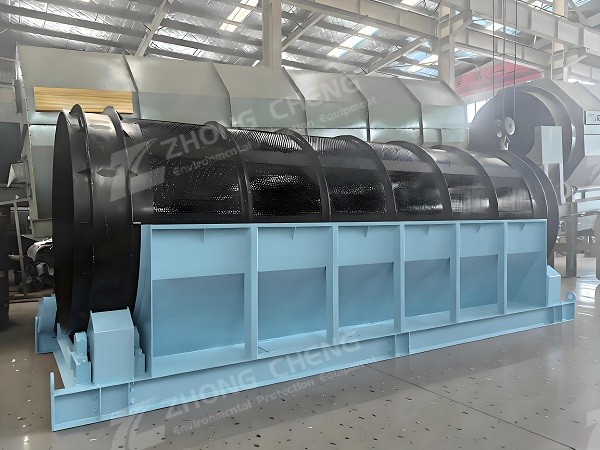
In practical applications, it is also necessary to pay attention to special precautions under different working conditions. For example, when dealing with high moisture content construction waste, it is necessary to appropriately reduce the feed rate, increase the drum speed, and regularly clean the screen to prevent material adhesion and blockage; When working in high or low temperature environments, special attention should be paid to the operating status of the motor and bearings. Strengthen equipment heat dissipation during high temperatures, and preheat the lubricating oil in advance during low temperatures to avoid an increase in oil viscosity that affects lubrication effectiveness. For the roller screen used for outdoor operation, it shall stop operation in severe weather such as rainstorm and strong wind, and the equipment shall be transferred to a safe area to prevent damage to the equipment.
The maintenance and upkeep of the equipment should be carried out by professional personnel. When replacing parts, original or standard spare parts should be selected, and inferior substitutes should not be used to avoid equipment failure caused by quality problems of spare parts. When carrying out welding, electrical maintenance and other operations, it is necessary to strictly comply with relevant safety regulations and take measures to prevent fire and electric shock. By combining general precautions with special operating conditions, a comprehensive and detailed equipment usage management system can be established to maximize the role of the drum screen and provide strong support for the smooth progress of construction waste resource utilization projects.

 Phone: +86 187 3819 4110
 E-mail: sales@zchmachinery.com
 Address: 36 xueyuan road, Zhengzhou City, Henan Province, China.


© 2025 ZhongCheng ECO
Technical support: Beijing Century Network