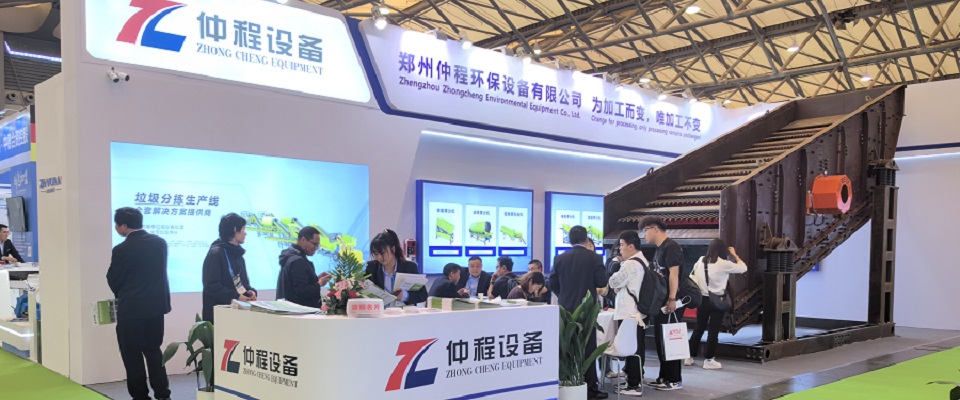
Focus on the latest trends in the field of solid waste treatment, deeply analyze the technological innovation and application of screening equipment, and share multi-scenario screening solutions, successful cases and process optimization experience.
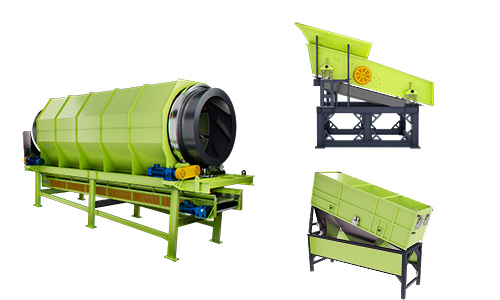
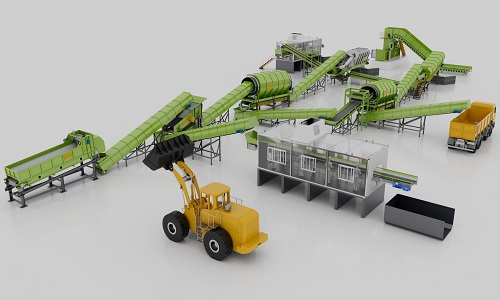
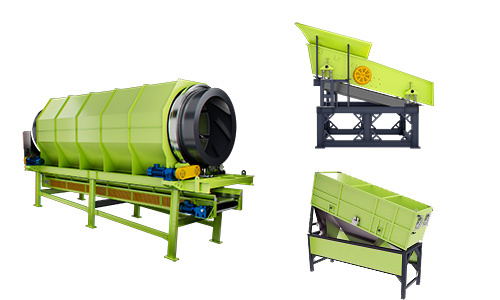
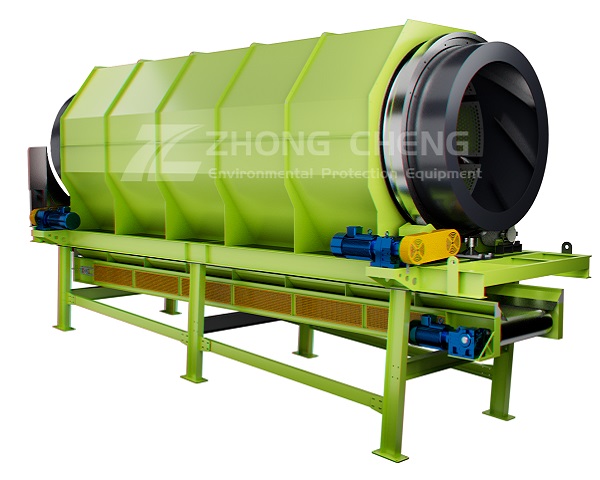
The trommel screen is an indispensable screening and grading equipment in mining, sand and gravel, and waste disposal industries. With its simple structure, stable operation, and strong adaptability, it is widely used in material grading and processing. Its screening efficiency directly determines production capacity, grading accuracy, and subsequent processing quality, impacting overall production efficiency. In actual operation, due to various factors such as material moisture content, equipment parameters, and operating procedures, trommel screens often experience problems such as low screening efficiency, material blockage, and screen leakage, increasing maintenance costs and affecting production continuity. Optimizing key aspects based on actual production conditions and implementing scientific and effective improvement measures are of great practical significance for achieving efficient operation of trommel screens and reducing production costs.
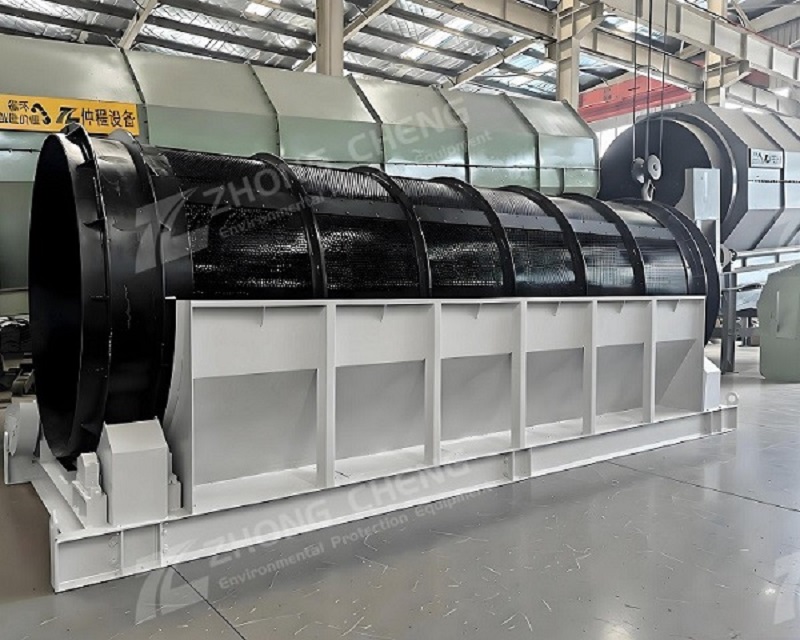
Optimizing the material pretreatment stage is a fundamental prerequisite for improving trommel screen screening efficiency. Material moisture content, particle size distribution, and degree of adhesion directly affect the screening effect. Inadequate pretreatment can easily lead to screen clogging and uneven material layering. To address the problem of excessive material moisture, auxiliary equipment such as dryers and dewatering screens should be used to control the moisture content below 15%, preventing wet and sticky materials from clumping together and blocking the screen holes, and reducing material adhesion to the inner wall of the trommel.
For materials with excessively large particle size differences and excessive impurities, pre-screening equipment such as vibrating feeders and mud-stone separators should be added to separate large impurities and oversized coarse materials in advance, preventing them from occupying effective screening space and impacting the screen mesh. This ensures that the material entering the trommel screen meets the processing requirements and achieves uniform feeding. If the material contains sticky impurities, a suitable amount of screening aid can be added to reduce adhesion between materials and between materials and the screen, improving the screening speed.
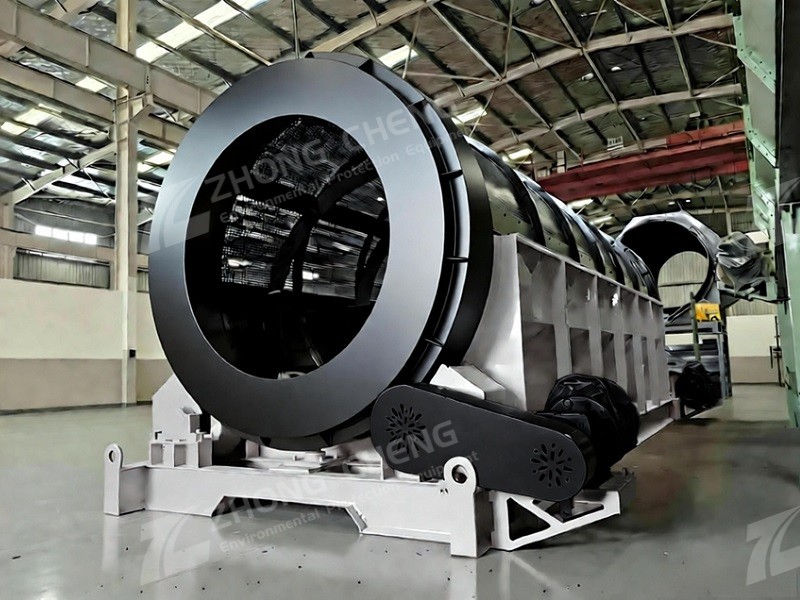
Reasonably adjusting equipment operating parameters is the core key to improving screening efficiency. The three core parameters of the trommel screen—rotation speed, installation angle, and screen mesh size—directly determine the material's residence time in the trommel, tumbling frequency, and contact area with the screen. These parameters need to be precisely adjusted based on material characteristics. When the rotation speed is too high, the material adheres tightly to the inner wall of the drum due to centrifugal force, preventing sufficient tumbling and contact with the screen, resulting in insufficient screening. Conversely, a rotation speed that is too low leads to material accumulation and blockage, reducing productivity. The optimal range is generally 15-25 r/min.
The installation angle needs to consider both the feeding speed and residence time. A large angle results in the material sliding too quickly and incomplete screening, while a small angle causes material accumulation and blockage. The angle is usually controlled between 3-8°, and can be fine-tuned based on the screening results. The screen mesh size must precisely match the grading requirements. A mesh size that is too large reduces grading accuracy, while a mesh size that is too small increases screening resistance. A multi-layer screen structure can be used to achieve multi-stage screening, diverting the material to avoid excessive load on a single screen. The screen should also be regularly checked and tightened to prevent shaking from affecting the screening effect.
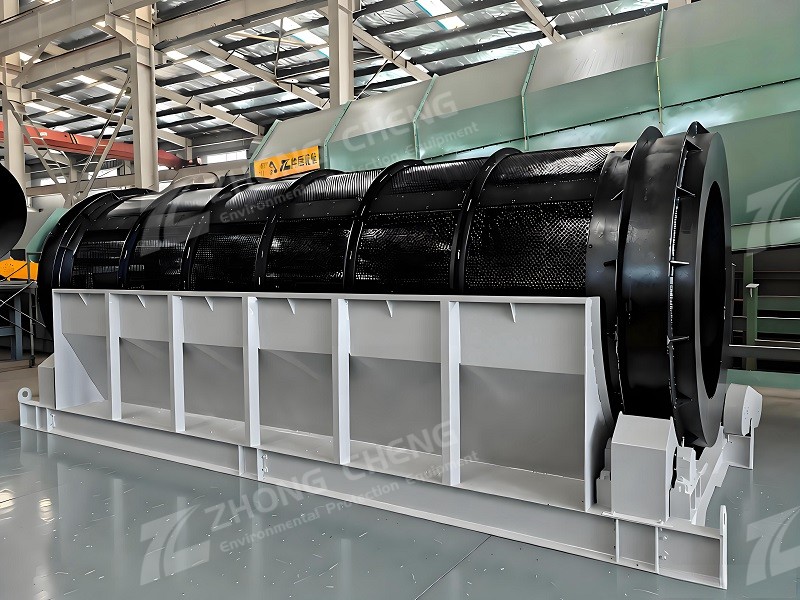
Strengthening daily equipment maintenance and screen management is crucial for ensuring efficient operation. The screen, as a core wear part, directly affects screening efficiency. A regular inspection system should be established, checking for screen damage, looseness, and blockage before each start-up, and promptly cleaning blockages and replacing damaged screens. Regularly clean the material adhering to the inner wall of the drum to prevent scaling from affecting material tumbling and conveying; inspect bearings, gears, and other components, adding lubricant and tightening parts as needed, and identifying potential problems.
At the same time, select wear-resistant and corrosion-resistant screen materials based on the application scenario to extend service life and reduce replacement frequency, ensuring the continuity of the screening operation. In addition, regularly conduct comprehensive equipment inspections, calibrate operating parameters, and promptly replace aging components to fundamentally avoid the impact of equipment failures on screening efficiency.
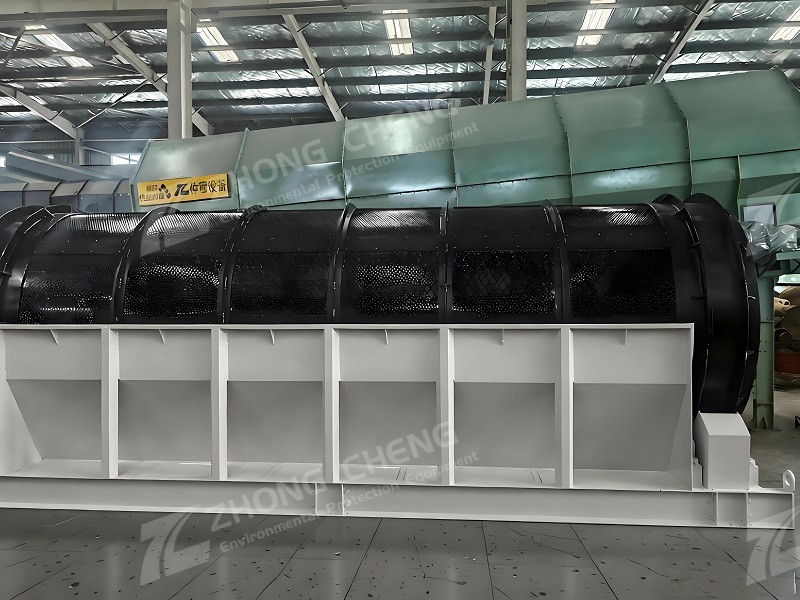
Standardizing operating procedures and improving the professional level of operators are important guarantees for improving screening efficiency. The operator's operational proficiency directly affects the equipment's operating status. Professional training should be strengthened to ensure operators are proficient in the equipment's working principles, parameter adjustment methods, and maintenance techniques. Operators must strictly follow procedures, perform equipment checks before starting, gradually adjust parameters after starting, and promptly address issues such as blockages and abnormal noises. Maintain a uniform and continuous feed rate to avoid sudden surges of material that can lead to blockages and clogging. Adjust the feeding speed based on material characteristics and screening results to ensure reasonable equipment load, preventing both overloading and wasted capacity. Simultaneously, establish a comprehensive operational management system, clearly define job responsibilities, and conduct regular skills assessments to enhance operators' sense of responsibility and prevent decreased screening efficiency due to improper operation.
Improving the screening efficiency of the trommel screen requires a coordinated effort across four dimensions: material pretreatment, equipment parameter adjustment, routine maintenance, and standardized operation. Precisely controlling key points in each stage is crucial. By optimizing material conditions, rationally adjusting parameters, strengthening equipment maintenance, and improving operational skills, low screening efficiency can be effectively addressed, extending equipment lifespan and reducing production costs. In actual production, measures should be flexibly adjusted based on material characteristics and production needs to achieve efficient and stable operation of the trommel screen, laying a solid foundation for subsequent production stages.

 Phone: +86 187 3819 4110
 E-mail: sales@zchmachinery.com
 Address: 36 xueyuan road, Zhengzhou City, Henan Province, China.


© 2025 ZhongCheng ECO
Technical support: Beijing Century Network