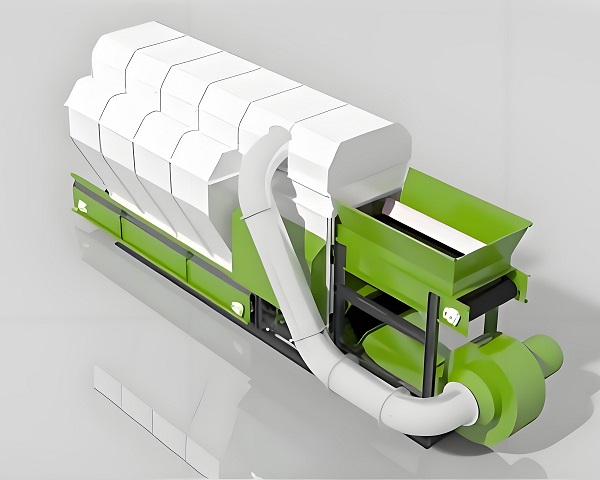
Focus on the latest trends in the field of solid waste treatment, deeply analyze the technological innovation and application of screening equipment, and share multi-scenario screening solutions, successful cases and process optimization experience.
In the resource utilization of construction waste, screening is a crucial link connecting crushing and recycling. Its function is to classify the crushed mixed materials according to particle size, remove impurities, and separate recycled aggregates of different specifications, directly determining the quality and application value of the recycled products. Currently, construction waste has a complex composition, and screening needs are diverse. A wide variety of screening equipment types are available, with significant differences in performance and applicable scenarios. Proper selection can improve screening efficiency, reduce energy consumption, and ensure that recycled aggregates meet standards, promoting efficient resource utilization of construction waste. The following text details the key selection points, combining equipment characteristics and actual needs, providing scientific reference for related operations.
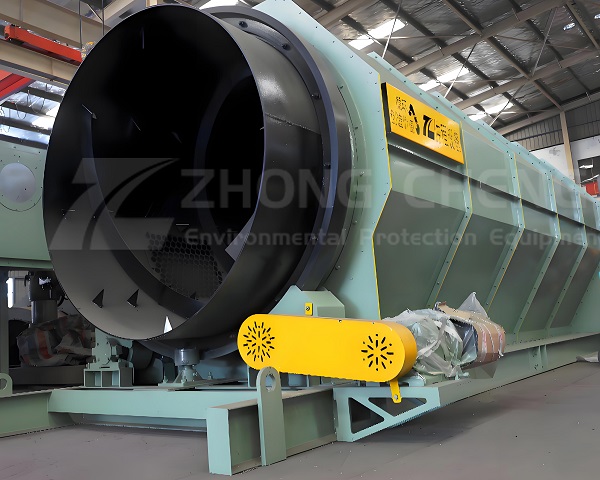
Choosing construction waste screening equipment requires first clarifying the core premise – matching the characteristics of the construction waste and screening needs, avoiding blindly pursuing "high performance" or "low price," otherwise problems such as low screening efficiency, substandard finished products, and rapid equipment wear may occur. Construction waste has a complex composition, often mixed with concrete blocks, bricks, crushed stone, rebar, wood chips, plastics, and other impurities. The crushed materials have uneven particle sizes, varying humidity and viscosity. At the same time, different recycling purposes require different particle size specifications for the finished aggregates. These are all core considerations for selection and require comprehensive judgment based on equipment type, performance parameters, and operating conditions.
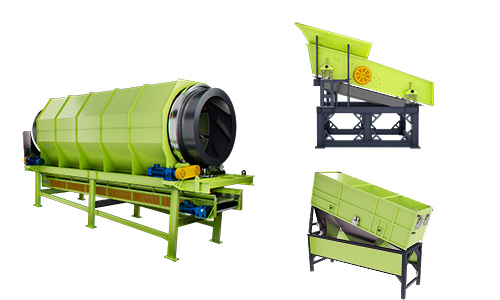
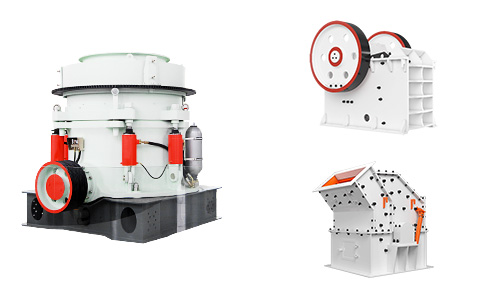
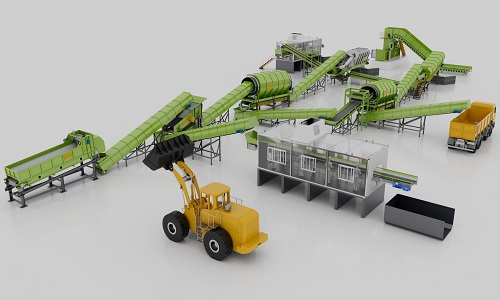
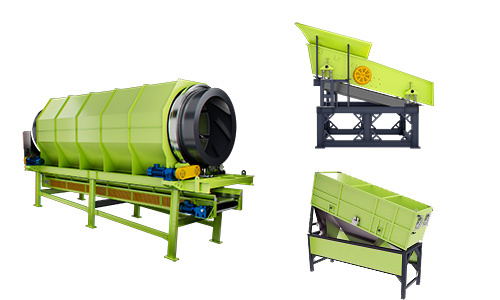
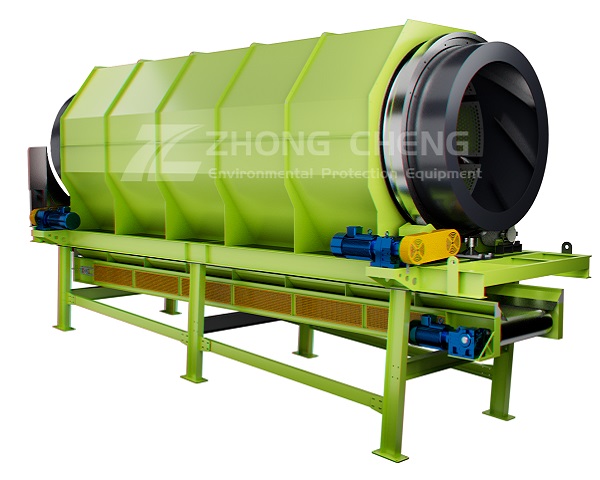
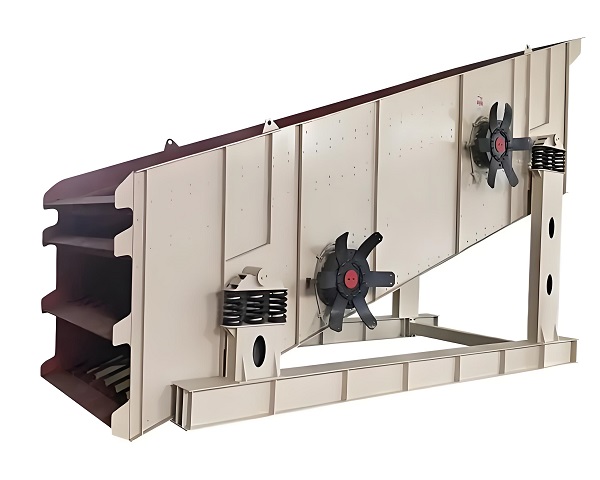
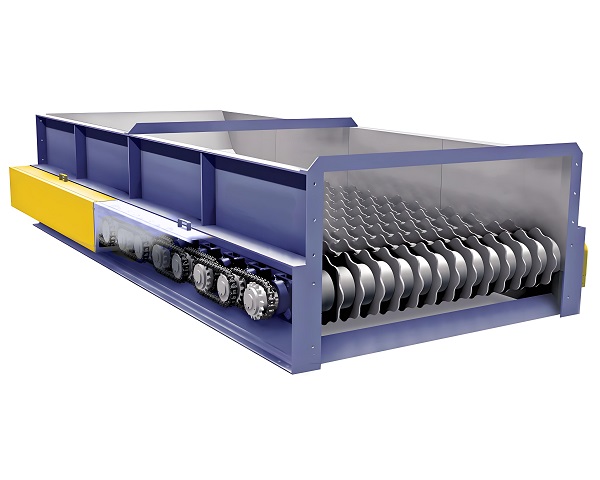
1.Precisely matching the screening equipment type to the operating scenario is fundamental to selection. Currently, mainstream construction waste screening equipment is mainly divided into two categories: fixed and mobile. Each type of equipment is suitable for different scenarios, requiring flexible selection based on the work site and transfer needs. Fixed screening equipment, primarily using circular vibrating screens and linear vibrating screens, has a stable structure, high screening efficiency, and large processing capacity. It is suitable for large-scale construction waste resource utilization plants and fixed disposal sites with sufficient space and no need for frequent relocation. It can be combined with jaw crushers, impact crushers, etc., to form a fixed production line, achieving large-scale screening operations. The circular vibrating screen utilizes the principle of inertial vibration, with an adjustable screening angle, making it suitable for a wide range of particle sizes. It can effectively process medium to coarse-grained materials such as concrete blocks and crushed stone, with a screening efficiency of over 85%. The linear vibrating screen offers high screening accuracy and is suitable for screening fine-grained recycled aggregates, such as the production of recycled sand and fine aggregates. It can accurately separate materials of different specifications, ensuring a reasonable gradation of the finished product.
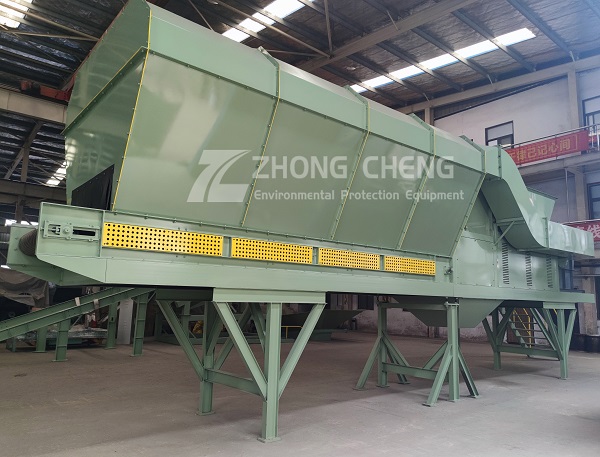
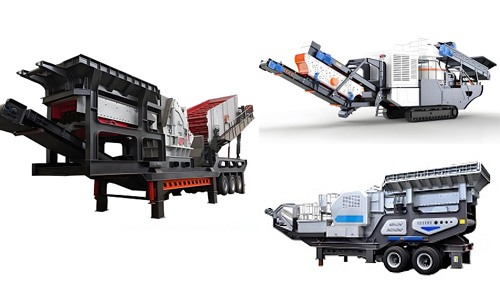
Mobile screening equipment is divided into wheeled and tracked types. Their core advantage is flexibility and convenience, allowing them to be deployed directly to demolition sites, community renovation projects, and other dispersed work scenarios. When used in conjunction with mobile crushers, they enable "on-site crushing and on-site screening," significantly reducing material transportation costs and avoiding secondary pollution. Wheeled mobile screening equipment is highly mobile and can be quickly transported by flatbed trucks, suitable for small and medium-sized projects with a processing capacity of 50-200 t/h. It features a compact structure and easy installation, requiring no hardened work site. Tracked mobile screening equipment is suitable for complex terrains and can move independently without external traction. It can operate in muddy and rugged areas, with a processing capacity of up to 300 t/h. Its flexible configuration allows for different numbers of screen layers to be used according to requirements, enabling multi-specification grading, making it particularly suitable for large demolition sites and temporary construction waste treatment projects.
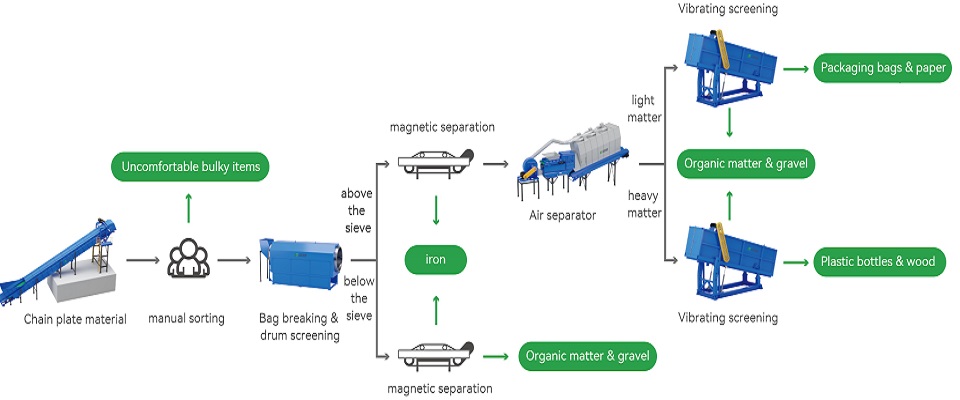
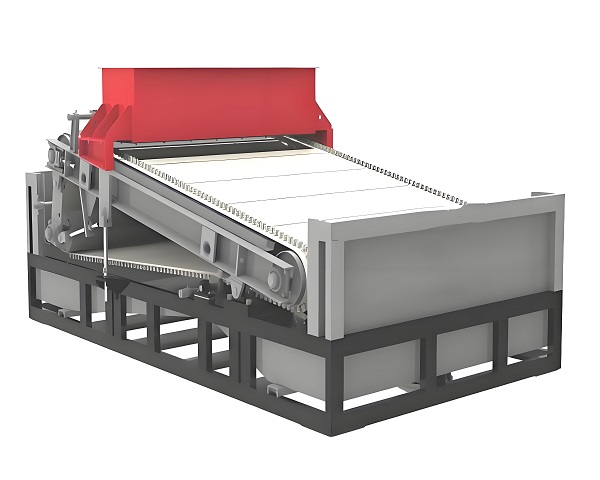
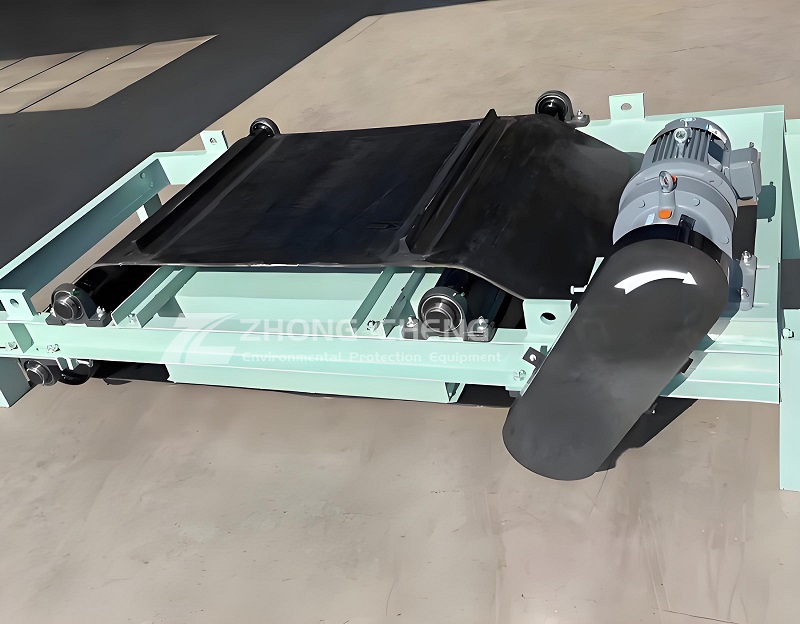
2. Equipment selection should be based on screening output and finished product specifications to ensure that the equipment capacity matches the demand and that the finished product meets the required standards. The screening output should be determined based on the daily processing volume of construction waste and the operating time, avoiding insufficient equipment capacity that affects the overall work progress or excessive capacity that leads to energy waste. For example, a small construction site with a daily processing volume of 50-100 tons of construction waste can choose a mobile screening equipment with a processing capacity of 50-100 t/h; a large-scale resource utilization plant with a daily processing volume of over 500 tons requires a fixed-type circular vibrating screen with a processing capacity of over 200 t/h, and multiple units can be operated in parallel to increase capacity. The specifications of the finished product directly determine the screen configuration and number of grading layers of the screening equipment. Different recycling applications have different requirements for aggregate particle size: for aggregates used in road subgrades and backfill, the particle size requirement is ≤50mm, and a single-layer screening equipment can be used; for recycled concrete aggregates, it needs to be graded into specifications such as 5-10mm, 10-20mm, and 20-40mm, requiring 2-3 layers of grading and screening equipment. Wear-resistant manganese steel is the preferred material for the screen mesh to increase service life, and the screen mesh should be easily replaceable to adapt to different particle size requirements. In addition, if the material contains a large amount of light materials (wood chips, plastics) and metal impurities, screening equipment with supporting impurity removal devices, such as belt magnetic separators and light material separators, should be selected to prevent impurities from affecting the quality of the finished product.
3. The environmental performance, energy consumption, and maintenance costs of the equipment must be considered, balancing economic benefits and environmental requirements. With increasingly stringent environmental policies, construction waste screening operations must meet dust and noise control standards. Therefore, when selecting equipment, priority should be given to enclosed screening equipment equipped with dust collection devices and noise reduction covers to reduce dust leakage and noise pollution; in terms of energy consumption, priority should be given to equipment driven by energy-saving motors, and fixed equipment can be equipped with a variable frequency control system to adjust the speed according to the material volume and reduce energy consumption; in terms of maintenance costs, equipment with a simple structure, easy disassembly, and convenient replacement of wear parts should be selected. For example, wear parts such as the screen mesh and vibrating motor of a circular vibrating screen should be easy to purchase and replace. Priority should also be given to manufacturers with comprehensive after-sales service to reduce the difficulty and cost of future maintenance.
The humidity and viscosity of the material also need to be carefully considered to avoid equipment blockage and affect operational efficiency. If the construction waste contains sticky materials such as silt and clay, or the material humidity is ≥15%, anti-clogging screening equipment should be selected, such as a linear vibrating screen with a high-frequency vibrating motor to reduce material adhesion, or a screen with larger mesh size, and equipped with a cleaning device to promptly remove sticky materials from the screen; if the material is dry and non-sticky, a conventional circular vibrating screen can be used to improve screening efficiency.
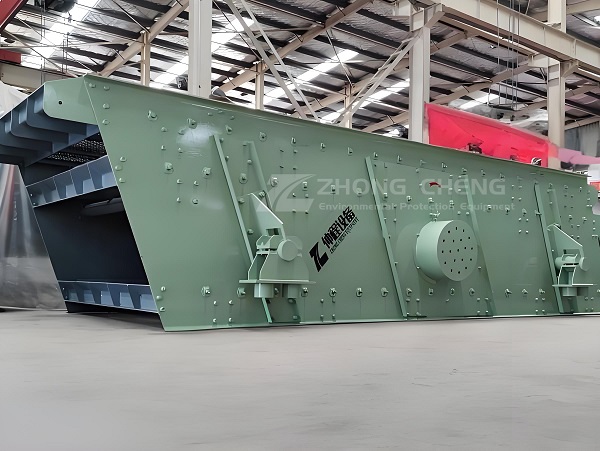
When selecting equipment, it is also necessary to consider your own financial resources and operating cycle, balancing cost-effectiveness. For small-scale, temporary projects with limited budgets, cost-effective mobile screening equipment with tires is recommended. It offers low initial investment and flexible relocation, and can be leased out or stored after project completion. For large-scale, long-term projects and resource recovery operations, fixed screening equipment is advisable. Although the initial investment is higher, it offers higher processing capacity, greater efficiency, and a longer service life, resulting in better long-term cost-effectiveness. Furthermore, it is crucial to prioritize equipment from reputable manufacturers to ensure quality and safety, avoiding the purchase of inferior equipment that leads to frequent malfunctions and delays.
The annual generation of construction waste is enormous, and resource utilization has become an essential requirement for green development. The appropriate selection of screening equipment directly impacts the effectiveness of resource recovery. Selection should be based on the composition of construction waste, screening capacity, finished product specifications, work site conditions, and environmental requirements. Key factors such as equipment efficiency, energy consumption, and maintenance costs should be considered comprehensively to avoid resource waste and efficiency losses caused by blind selection. With technological advancements, screening equipment is evolving towards intelligence, high efficiency, and environmental friendliness. New products such as integrated screening equipment and intelligent grading equipment are constantly emerging, further expanding the range of options. Scientific selection and rational configuration are essential to fully utilize the core function of screening equipment, promoting the standardization and large-scale application of recycled aggregates from construction waste, and contributing to low-carbon city construction and resource recycling development.

 Phone: +86 187 3819 4110
 E-mail: sales@zchmachinery.com
 Address: 36 xueyuan road, Zhengzhou City, Henan Province, China.


© 2025 ZhongCheng ECO
Technical support: Beijing Century Network