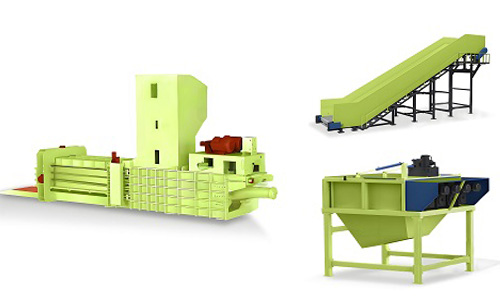
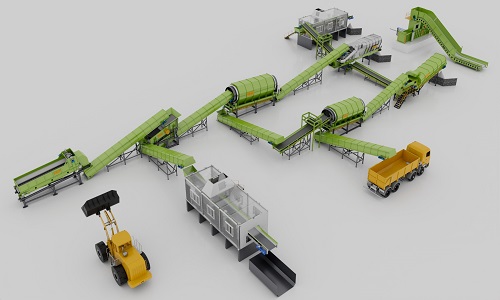
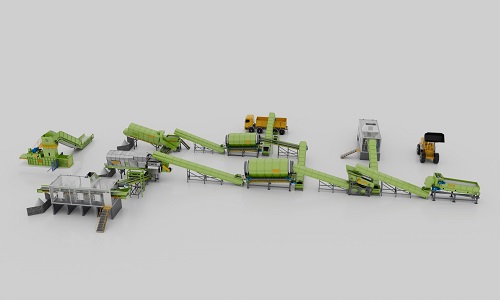
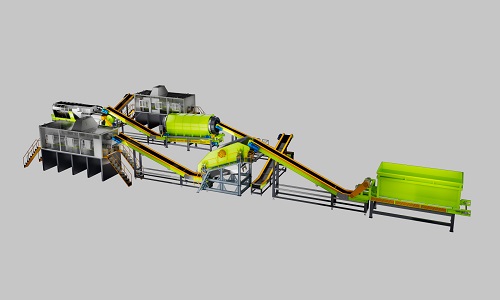
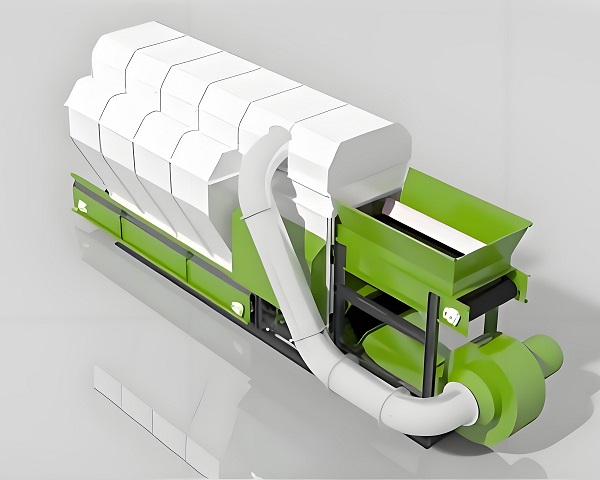
Focus on the latest trends in the field of solid waste treatment, deeply analyze the technological innovation and application of screening equipment, and share multi-scenario screening solutions, successful cases and process optimization experience.
With the accelerating pace of urbanization, the amount of municipal solid waste (MSW) generated continues to rise. Efficient screening is a core prerequisite for the harmless treatment and resource utilization of MSW. MSW is complex in composition, containing food waste, plastics, paper, metals, glass, and inert waste. The core function of screening machines is to classify mixed waste by composition and particle size, enabling the separate treatment and recycling of different types of waste, improving processing efficiency, and reducing subsequent disposal costs. Currently, there are various types of machines suitable for MSW screening, with significant differences in performance, applicable scenarios, and screening effects. This article, combining machine characteristics and practical applications, details the main types of MSW screening machines, providing a scientific reference for the selection of equipment for MSW treatment projects.
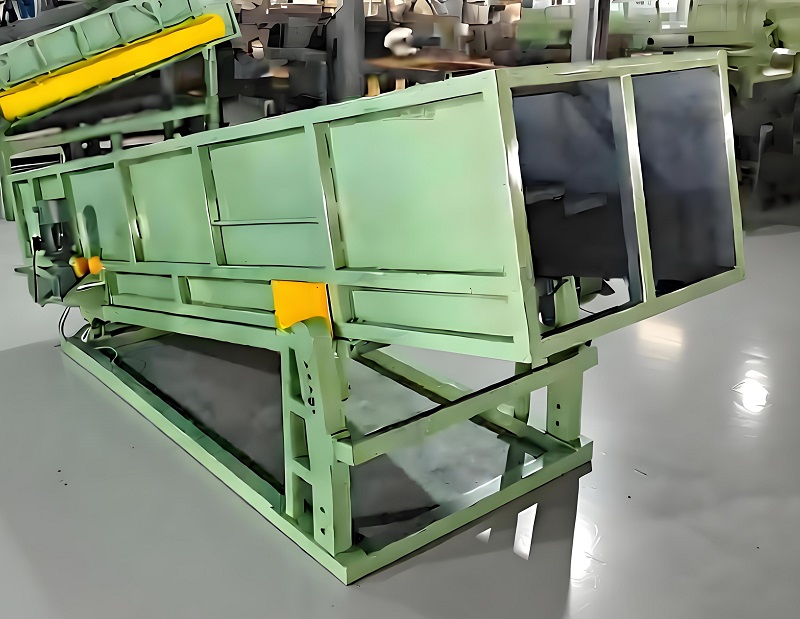
The selection and application of MSW screening machines must be based on the characteristics of MSW – high moisture content, complex composition, strong viscosity, and easy decomposition. Therefore, screening machines need to have core features such as anti-clogging, corrosion resistance, and easy cleaning. Unlike construction waste screening, MSW screening focuses more on "composition classification + impurity separation," aiming to screen materials of different particle sizes while also achieving the preliminary separation of different types of waste such as food waste and plastics. Various screening machines, based on their screening principles and structural design, are adapted to different processing scenarios and waste types. Mainstream models can be divided into four categories: vibrating, trommel, air separation, and bouncing screens, and various combined screening equipment have also been developed to meet the needs of MSW treatment operations of different scales and requirements.
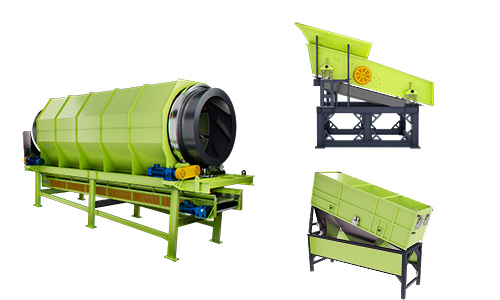
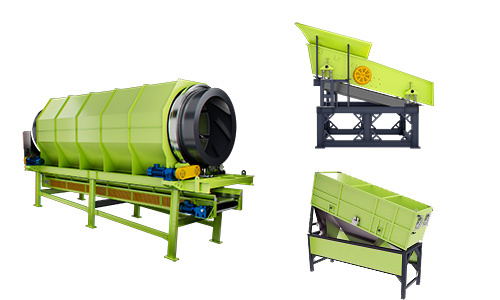
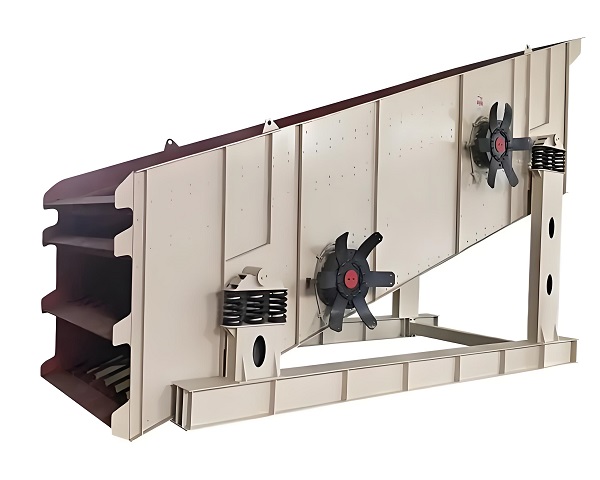
Vibrating screens are the most widely used basic type of machine in MSW screening. They rely on the principle of vibration to achieve material classification and are suitable for both preliminary and fine screening of various types of MSW. According to the vibration method, they can be divided into circular vibrating screens and linear vibrating screens, each with its own focus in structure and application scenarios. Circular vibrating screens use an inertial vibration motor drive, with the screen box performing circular vibration. The screening angle is adjustable, and they are suitable for a wide range of particle sizes. They can process mixed MSW with moderate moisture content and without excessive viscosity, quickly separating the waste into three categories: coarse materials (such as bricks, stones, and large inert waste), medium materials (such as plastics and paper), and fine materials (such as food waste and dust). The screening efficiency can reach over 80%. Linear vibrating screens utilize a dual-vibration motor drive, causing the screen box to perform linear reciprocating vibrations. They offer high screening accuracy and clear material stratification, making them suitable for the fine screening of municipal solid waste, especially in scenarios with a high proportion of food waste. The screen mesh can be selected with different aperture sizes according to requirements, accurately separating small food waste particles from larger recyclable materials. Equipped with an anti-clogging device, it reduces screen blockage caused by food waste adhesion. Vibrating screens have a simple structure, are easy to operate, and have low maintenance costs, making them widely used in small and medium-sized municipal solid waste transfer stations and treatment plants, often serving as initial screening equipment to lay the foundation for subsequent sorting and processing.
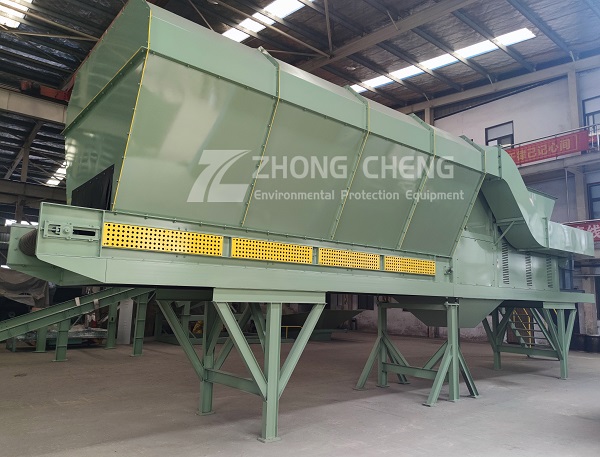
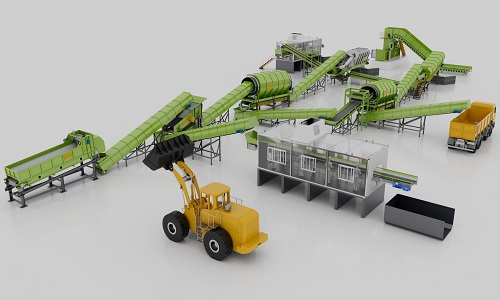
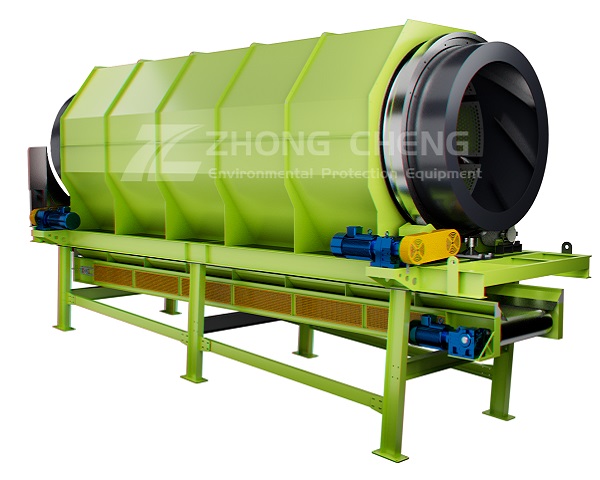
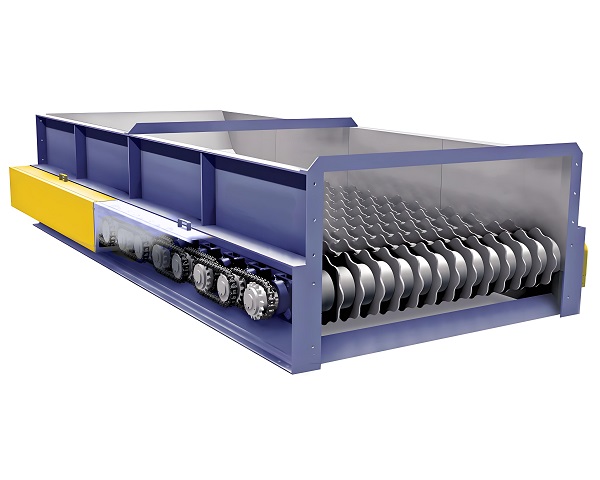
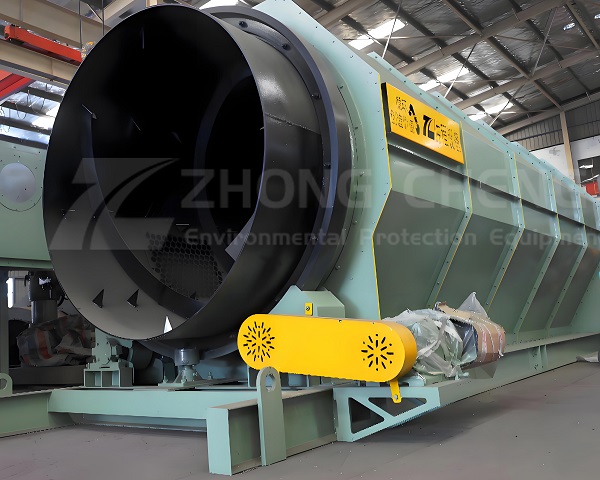
Trommel Screen are the core model for handling municipal solid waste with high water content and high viscosity. Their core advantages are anti-clogging and strong adaptability, making them particularly suitable for screening mixed waste with a high proportion of food waste (over 50%). The main body of the machine is an inclined rotating drum. Screen meshes of different apertures are installed inside the drum, arranged in order from largest to smallest. After the mixed municipal solid waste enters the drum, as the drum rotates, small particles (food waste, dust) fall through the screen, while coarse materials (inert waste, large items) are discharged from the end of the drum. Sticky materials can be cleaned by scrapers on the inner wall of the drum during rotation, effectively preventing clogging.
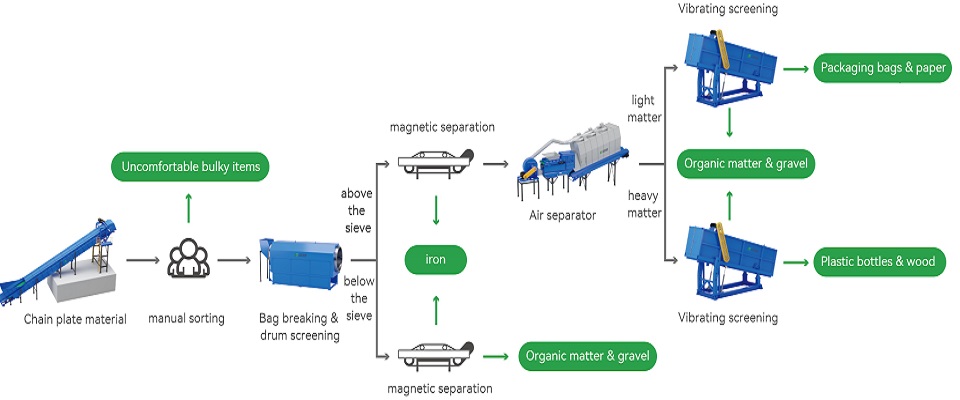
Rotary trommel screens can be divided into single-layer, double-layer, and triple-layer types according to the screen mesh type. Single-layer trommel screens are suitable for simple classification (such as separating coarse and fine materials), while double-layer and triple-layer screens can achieve multi-specification classification, suitable for large-scale municipal solid waste treatment projects. The rotation speed can be flexibly adjusted; a faster speed results in higher screening efficiency, while a moderate speed improves screening accuracy. They are widely used in large-scale municipal solid waste harmless treatment plants and dedicated food waste treatment projects. They can operate independently or in combination with other screening machines, with a processing capacity of 50-500 t/h, adapting to different scale treatment needs. Air separation screeners (also known as air classifiers) utilize aerodynamic principles to separate waste based on density differences, eliminating the need for screens and effectively solving the problem of sticky waste clogging the screen. They are primarily used to separate lightweight and heavy materials in municipal solid waste. The machine consists of a fan, air duct, and separation chamber. Mixed municipal solid waste enters the separation chamber, where the airflow generated by the fan lifts the lightweight materials (such as plastic film, paper, and wood chips), transporting them through the air duct to a designated collection device. Heavier materials (such as metal, glass, bricks, and food waste) fall due to gravity, achieving separation.
Air separation screeners can be divided into positive pressure and negative pressure types. Positive pressure air classifiers have a simple structure and low energy consumption, suitable for small and medium-sized waste treatment projects; negative pressure air classifiers have good sealing performance, reducing dust and odor leakage, making them suitable for large-scale waste treatment plants, especially in scenarios with high environmental protection requirements. Their advantages include fast screening speed, no clogging, and easy maintenance. However, they cannot separate heavy materials of different particle sizes and are often used in combination with vibrating or trommel screeners to form a "preliminary screening + air separation" combined process, improving the accuracy of municipal solid waste classification.
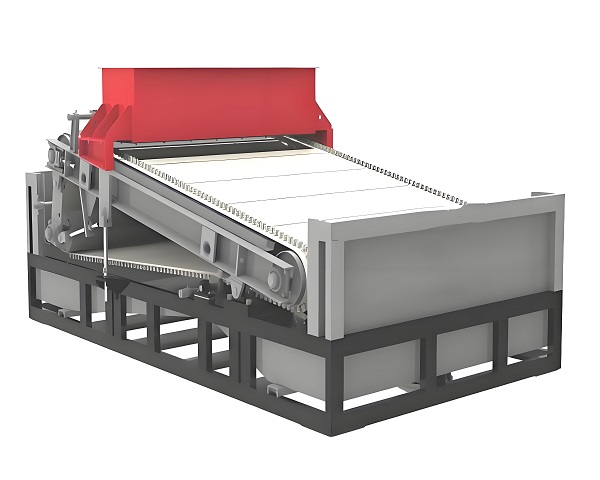
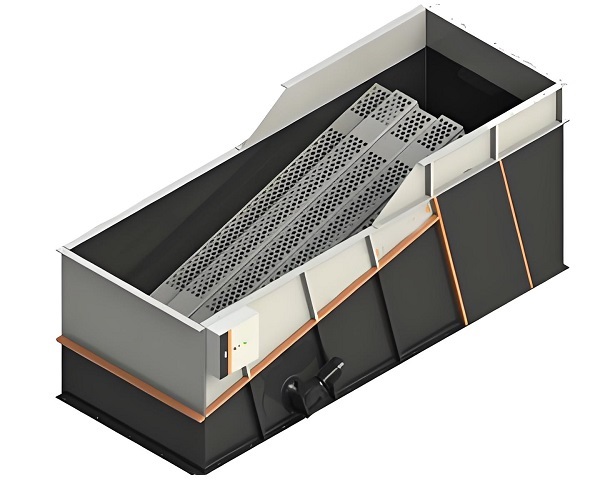
Vibrating screen are specialized machines designed for separating brittle and flexible materials in municipal solid waste. They utilize the bouncing characteristics of materials for classification, suitable for separating brittle materials such as glass, metal, and bricks from flexible materials such as plastics, paper, and textiles. The main body of the machine is an inclined screen plate that vibrates reciprocally. When mixed municipal solid waste falls onto the screen plate, brittle materials, due to their good elasticity, bounce and are discharged from the front end of the screen plate, while flexible materials, due to their poor elasticity, adhere to the screen plate and are discharged from the rear end with the vibration of the screen plate. The screening effect can be controlled by adjusting the screen plate angle and vibration frequency. The bouncing screen separator offers high screening accuracy and targeted separation, effectively separating recyclable materials such as glass and metal, thereby increasing resource recovery rates. It also reduces wear and tear on subsequent crushing and incineration equipment caused by flexible materials. It is widely used in municipal solid waste resource recovery projects and the pre-treatment stage of waste incineration. Its compact structure and small footprint make it suitable for waste transfer stations and treatment plants with limited space. It is often used in conjunction with air separators and magnetic separators to further improve sorting and recycling efficiency.
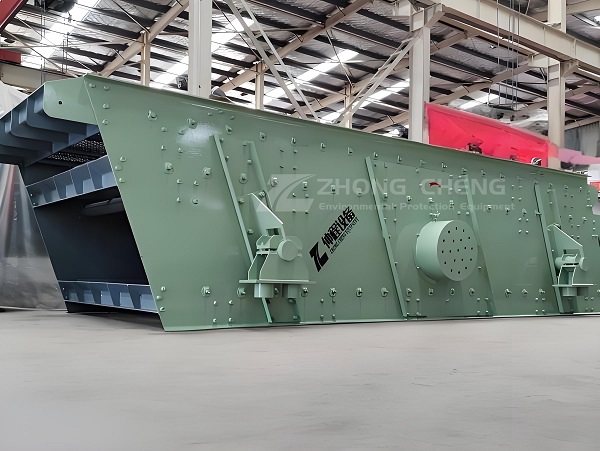
In addition to the above mainstream models, there are various combination screening equipment options to meet the efficient screening needs of complex municipal solid waste, such as "drum screen + air separator" combinations and "vibrating screen + bouncing screen + magnetic separator" combinations. Through multi-equipment collaborative operation, fine-grained classification and resource recovery of municipal solid waste are achieved. Furthermore, there are specialized screening equipment, such as magnetic separation screens, which can separate metal materials from municipal solid waste; and drum-type screening crushers, which combine screening and crushing functions, allowing for the crushing and then screening of large pieces of municipal solid waste, suitable for large-scale waste treatment scenarios.
With annual municipal solid waste generation exceeding 300 million tons, screening, as a core pre-treatment step in waste management, directly impacts treatment efficiency and resource recovery levels. Each type of screening machine has its advantages: vibrating screens are suitable for basic classification, drum screens are suitable for high-viscosity waste, air separators are suitable for separating light and heavy materials, and bouncing screens are suitable for separating brittle and flexible materials. With increasingly stringent environmental policies and technological advancements, screening machines are evolving towards intelligence, environmental friendliness, and high efficiency, gradually achieving automated control, precise screening, and low energy consumption operation, contributing to the harmless, reduced, and resourceful disposal of municipal solid waste.

 Phone: +86 187 3819 4110
 E-mail: sales@zchmachinery.com
 Address: 36 xueyuan road, Zhengzhou City, Henan Province, China.


© 2025 ZhongCheng ECO
Technical support: Beijing Century Network