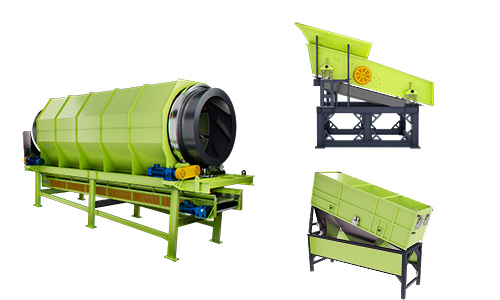
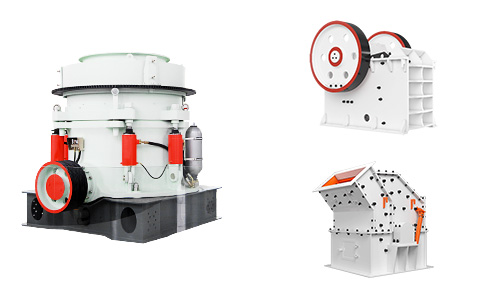
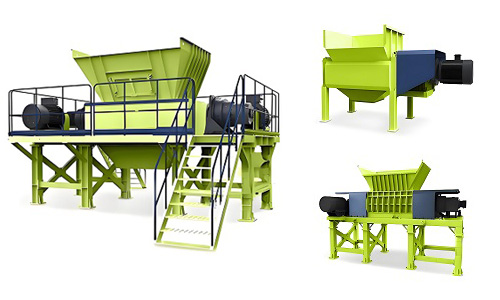
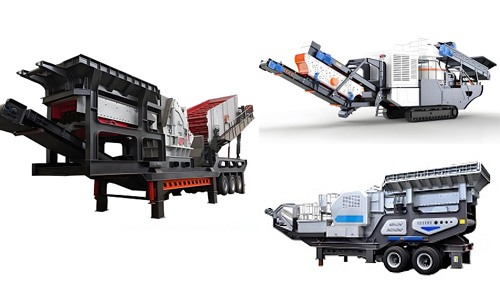
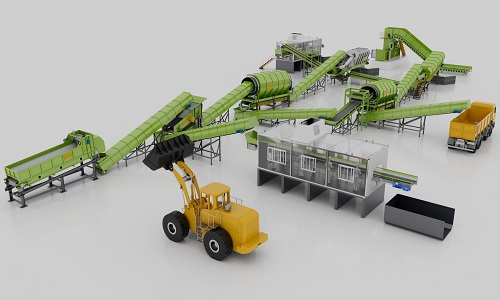
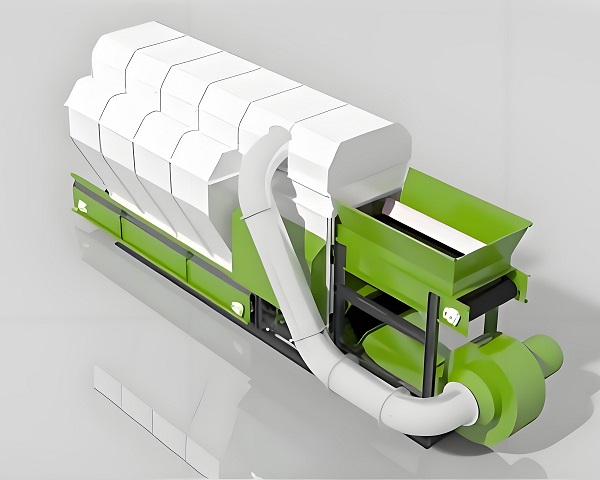
Focus on the latest trends in the field of solid waste treatment, deeply analyze the technological innovation and application of screening equipment, and share multi-scenario screening solutions, successful cases and process optimization experience.
In the process of urbanization, the large amount of municipal solid waste accumulated over time has become a major challenge in ecological environment management. This type of waste, after long-term fermentation and leachate immersion, exhibits characteristics of mixed composition, high humidity, strong cohesiveness, and uneven particle size distribution, containing various components such as humus, plastics, and bricks. Screening is a core link in achieving its reduction, harmlessness, and resource utilization, requiring extremely high equipment adaptability. finger screens, with their unique structure and working characteristics, overcome the problems of clogging and inefficiency of traditional equipment, playing a crucial role in the screening of aged waste and laying a solid foundation for subsequent treatment.
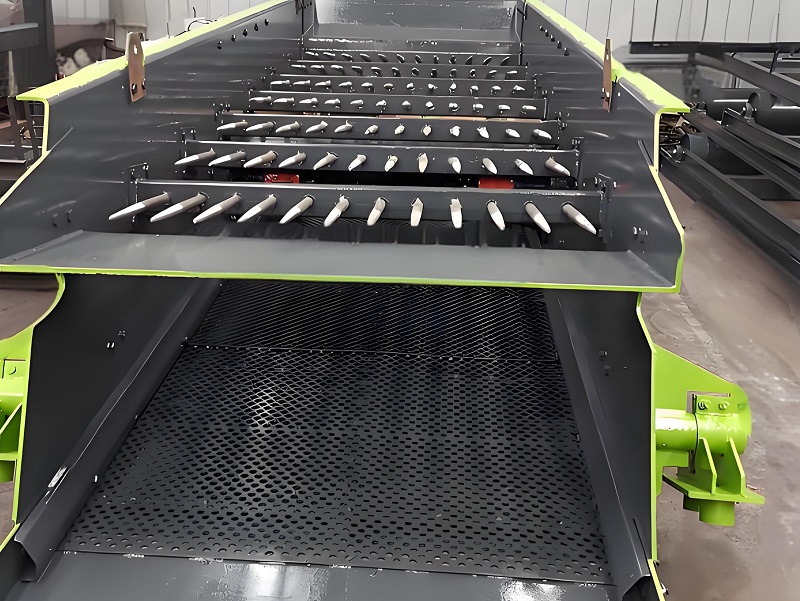
With the acceleration of urbanization, the large amount of municipal solid waste accumulated over time has become a significant problem in ecological environment management. After long-term fermentation and leachate immersion, aged waste exhibits characteristics of mixed composition, high humidity, strong cohesiveness, and uneven particle size distribution, containing various components such as humus, plastics, metals, bricks, and aged fabrics. Screening treatment, as a core link in its reduction, harmlessness, and resource utilization, places extremely high demands on equipment adaptability. finger screens, with their unique structural design and working characteristics, play a crucial role in the screening process of aged waste, overcoming the problems of clogging, low efficiency, and poor adaptability of traditional screening equipment, and laying a solid foundation for subsequent waste treatment and resource recovery.
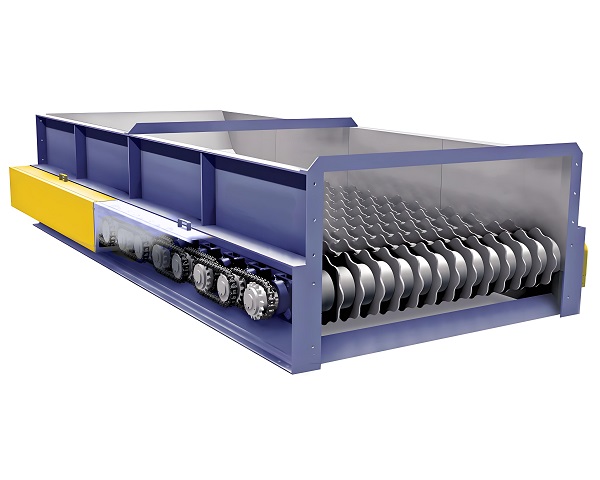
The core value of finger screens lies in pre-treatment and grading, solving the clogging problem and clearing obstacles for subsequent fine screening. Aged waste contains a large amount of wet and sticky humus and slightly agglomerated materials. Traditional woven mesh and perforated plate screens are easily clogged by mud, leading to equipment downtime for cleaning and severely affecting processing efficiency. finger screens, on the other hand, use parallelly arranged rigid bars as the screen surface. The bars are mostly made of high-strength alloy steel or wear-resistant cast iron, and after quenching treatment, they possess extremely strong impact resistance and wear resistance, able to withstand repeated impacts from large pieces of material without deformation. Their open screen surface design, combined with the vibration and throwing effect, allows the attached wet and sticky substances to be automatically scraped off as the material slides on the screen surface, achieving self-cleaning and fundamentally avoiding clogging problems, ensuring the continuous progress of the screening operation. At the same time, the spacing between the bars can be flexibly adjusted to adapt to different processing needs, allowing it to intercept large impurities such as bricks and broken furniture while allowing fine materials to pass through the screen smoothly, completing preliminary classification.
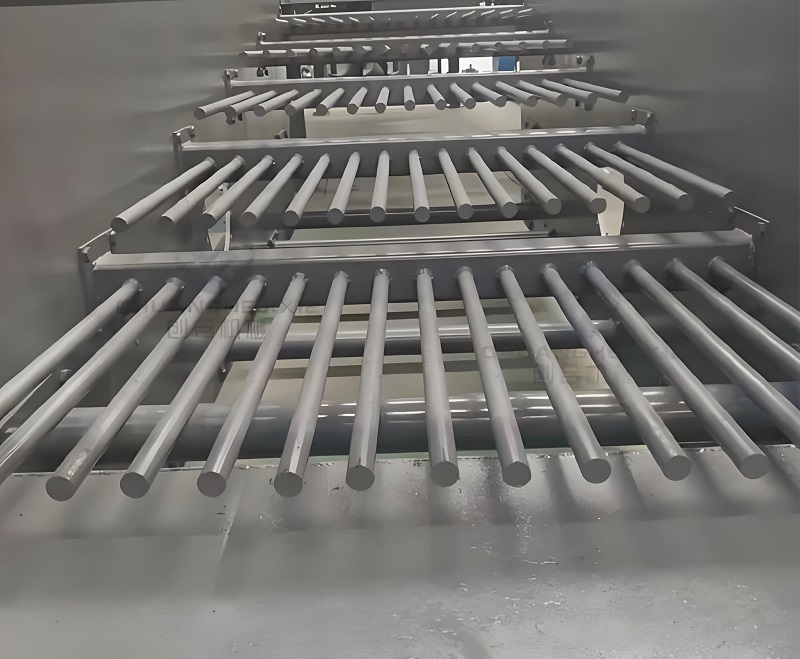
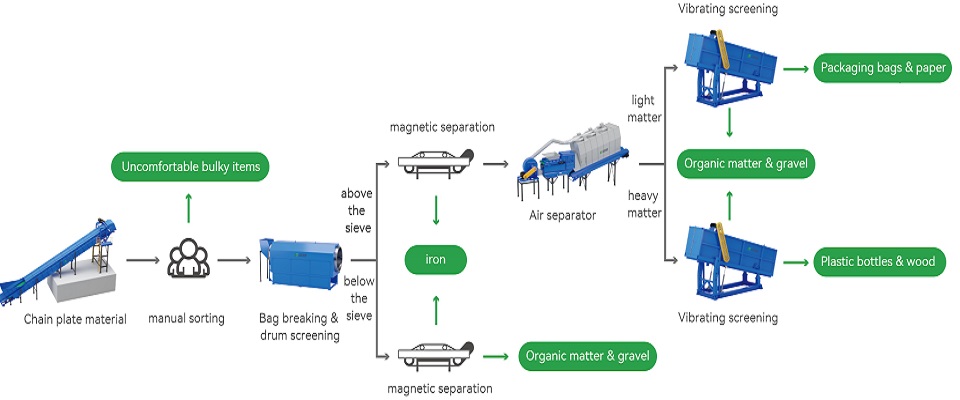
In the resource recovery of aged waste, the finger screen plays a crucial role in precise sorting, improving the efficiency and quality of resource recovery. Recyclable materials in aged waste require classification and screening for efficient utilization. The finger screen uses a triple mechanism of "mechanical impact + gravity sedimentation + size exclusion" to achieve precise separation of different components. During operation, the eccentric shaft drives the screen body to vibrate in an elliptical trajectory, allowing the material to spread fully on the screen surface. Fine particles of humus soil pass through the gaps first and fall into the bottom layer, which can be directly used for landscaping or composting; medium-sized recyclable materials such as plastic bottles and metal cans are pushed forward along the screen surface and enter subsequent air separation and magnetic separation processes; large, hard objects are guided to a separate outlet, preventing wear and tear on subsequent equipment. For lightly bonded clumps, the edges of the bars generate shear force to disperse them, improving the purity of recyclable materials. Statistics show that using a finger screen can increase the resource recovery rate of the waste treatment line by 25% to 30%.
The finger screen optimizes subsequent disposal processes, reducing overall processing costs and environmental pressure. If aged waste is directly sent to crushing, incineration, or landfill, the mixed composition will lead to low processing efficiency, increased energy consumption, and potential secondary pollution. The pre-classification function of the finger screen separates large inert materials in advance, reducing the load and wear on subsequent crushing equipment and extending equipment life; at the same time, it removes large non-degradable impurities, improving the uniformity of the calorific value of the incinerated material, reducing incineration energy consumption and pollutant emissions, and also reducing landfill volume and extending the service life of landfills. Compared with hydraulic classification equipment that requires a large amount of water for washing, the finger screen does not require additional water, saving water resources and avoiding the generation of a large amount of wastewater, which is in line with the trend of green and environmentally friendly processing, balancing economic and environmental benefits.
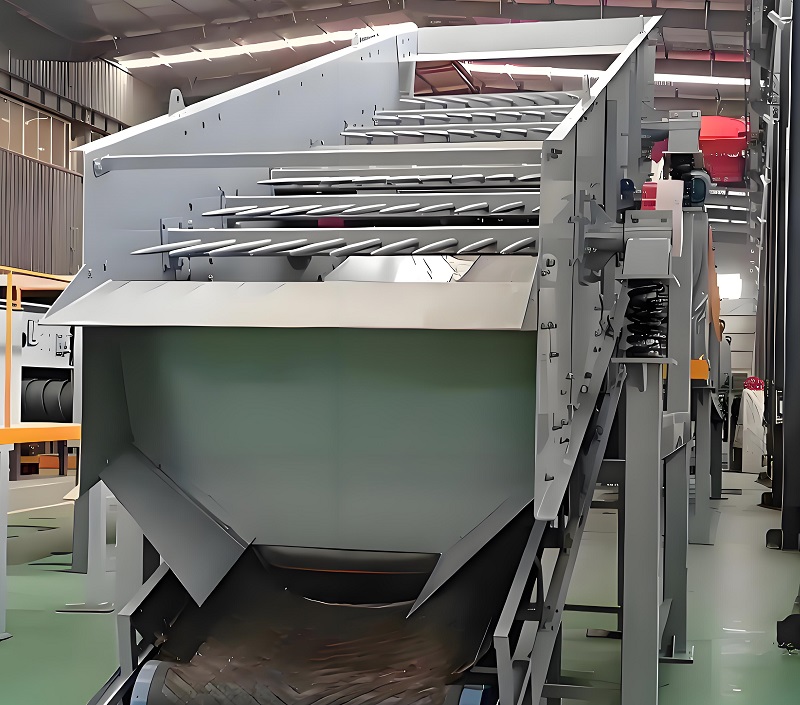
Given the complex characteristics of aged waste, the finger screen has strong environmental adaptability and is suitable for diverse processing scenarios. Whether it's aged waste excavated from old landfills, mixed waste from renovation and demolition, or industrial solid waste, the finger screen can operate stably. Some high-end models are equipped with hydraulic drive systems, allowing for real-time adjustment of bar angle or amplitude to adapt to materials of varying humidity and viscosity. Even in harsh environments with foul odors and high humidity, it maintains stable processing performance, solving the problem of poor adaptability of traditional screening equipment to complex materials. Its single-unit processing capacity can reach 30-250 tons/hour, meeting the large-scale processing needs of medium and large-sized waste treatment plants, significantly improving overall processing efficiency and reducing manual operation and maintenance costs and downtime losses.
As a core pre-treatment equipment in the screening process of aged waste, the finger screen not only overcomes many of the shortcomings of traditional screening but also facilitates the key processes of waste reduction, harmless treatment, and resource utilization. With the advancement of environmental protection policies and the development of the circular economy, the intelligent upgrading of finger screens continues. By incorporating sensors and intelligent control systems, it can monitor material characteristics in real time and automatically adjust parameters, further optimizing the screening effect. In the future, with the integration of material technology and intelligent technology, the finger screen will play an even more important role in the treatment of aged waste, providing more efficient solutions for ecological environment management and resource recycling, and contributing to the construction of a green and low-carbon urban development model.
With its core advantages of pre-treatment classification, precise sorting, optimized processes, and strong environmental adaptability, the finger screen has become a core piece of equipment for aged waste screening, effectively overcoming many of the bottlenecks of traditional screening and promoting improved efficiency in waste treatment. As environmental protection policies tighten and the circular economy develops, the intelligent upgrading of finger screens will continue, further adapting to complex processing scenarios. In the future, it will play an even more important role in aged waste management, providing solid support for resource recycling and the construction of green and low-carbon cities.

 Phone: +86 187 3819 4110
 E-mail: sales@zchmachinery.com
 Address: 36 xueyuan road, Zhengzhou City, Henan Province, China.


© 2025 ZhongCheng ECO
Technical support: Beijing Century Network