Shares the latest waste recycling machines, production lines, and technical solutions.
 Home > Blogs > Waste Recycling
Aged refuse primarily refers to accumulated waste that has been stockpiled in landfills for extended periods and has undergone natural decomposition. Characterized by a complex composition, high moisture content, and a mixture of impurities, this waste not only occupies vast tracts of land resources but also harbors multiple latent environmental risks. Against the backdrop of accelerating urbanization and the continuous advancement of "Waste-Free City" initiatives, the screening of aged refuse—serving as a pivotal stage in the management of legacy waste—is far more than a mere waste-sorting procedure. Rather, it represents a critical strategy for resolving the crisis of "waste-encircled cities," revitalizing land resources, and safeguarding the ecological environment. Consequently, its necessity and multifaceted utility have become increasingly evident, establishing it as an indispensable tool within the field of solid waste management.
A. The Necessity of Screening Aged Refuse
1. Resolving the Dilemma of Legacy Waste Management and Meeting Essential Ecological Governance Needs
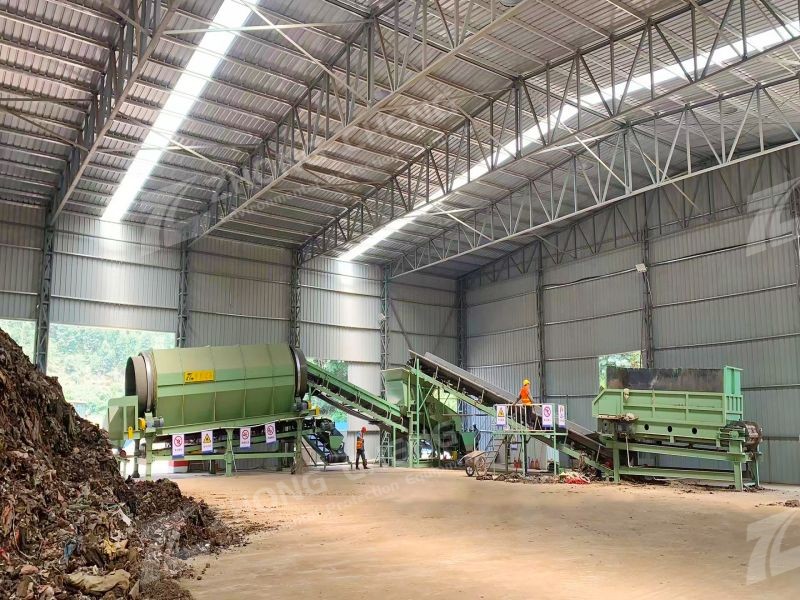
In earlier eras, municipal solid waste was frequently disposed of via rudimentary landfilling methods; as a result, a multitude of informal and aging landfills persist to this day, constituting a "hidden burden" on the ecological environment. Because this aged refuse has not undergone standardized treatment, the waste mounds remain in a state of chronic instability. Lacking both comprehensive anti-seepage and drainage systems, as well as professional pollution control measures, these sites suffer from continuous leachate leakage that contaminates soil and groundwater. Furthermore, the uncontrolled emission of landfill gas—primarily methane and carbon dioxide—not only exacerbates the greenhouse effect but also poses significant safety hazards regarding explosions and fires. Concurrently, the stockpiling of aged refuse consumes vast amounts of land; as cities expand, many of these aging landfills—originally situated on the urban periphery—have become embedded within core urban districts, thereby constraining land development and urban renewal efforts. Without the implementation of specialized screening and disposal processes, relying solely on rudimentary methods—such as capping the site with soil—fails to eliminate pollution risks at their source and merely allows environmental hazards to continue accumulating. In contrast, screening serves as a foundational, core preliminary step in the disposal of aged refuse; by enabling the precise separation of waste components, it lays the groundwork for subsequent harmless treatment and resource recovery—making it the inevitable choice for resolving the challenges of legacy waste management and effectively implementing ecological and environmental protection policies.
2. Aligning with Waste Classification and Disposal Requirements to Avoid the Pitfalls of Mixed Processing
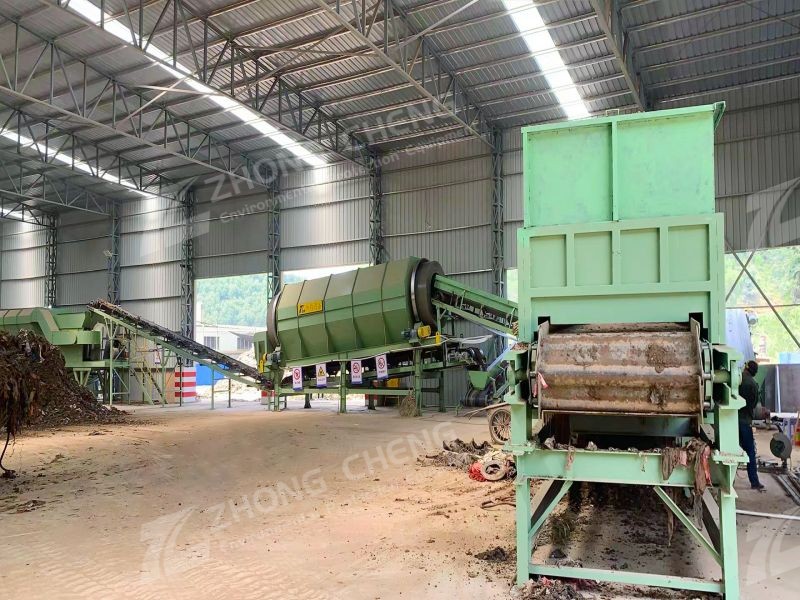
The composition of aged refuse is extraordinarily complex, comprising a heterogeneous mixture of substances such as humus-rich soil, masonry aggregates, plastics, textiles, metals, and glass. The physicochemical properties and appropriate disposal methods for these diverse components vary significantly. If municipal solid waste is subjected directly to mixed landfilling or incineration, it not only drastically reduces disposal efficiency but also triggers a host of problems. Mixed landfilling results in a massive volume of waste, thereby exacerbating land occupation; moreover, the residual presence of easily degradable organic matter leads to the continuous generation of leachate and landfill gas, thereby prolonging the stabilization period of the landfill site. Conversely, mixed incineration suffers from low calorific value—due to high moisture content and an abundance of inert impurities—which increases energy consumption, complicates flue gas treatment, and may even result in the emission of hazardous exhaust gases. Only through screening—which enables the precise separation of waste components—is it possible to tailor specific disposal pathways to the unique characteristics of different materials. This approach effectively circumvents the resource waste and secondary pollution associated with mixed processing, thereby aligning with the industry trend toward the refined and categorized disposal of municipal solid waste.
3. Supporting "Waste-Free City" Initiatives and Upholding the Philosophy of Circular Development
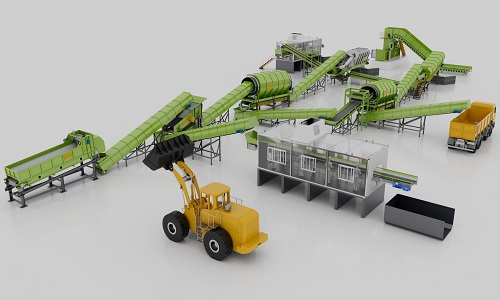
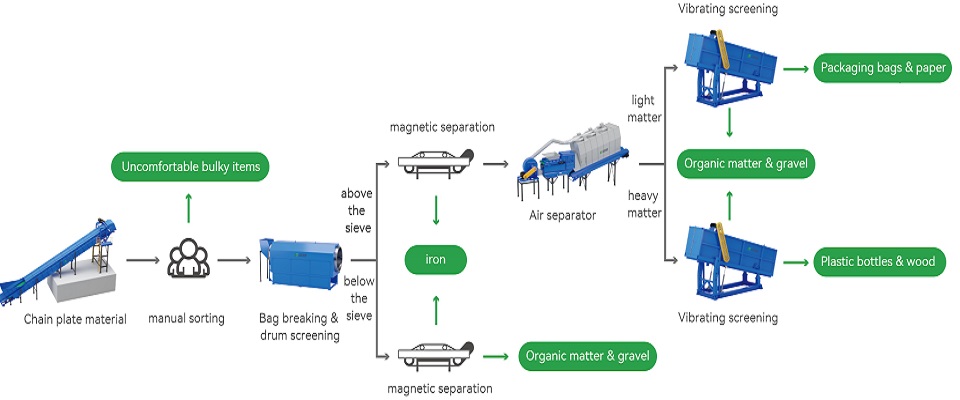
The core objective of building a "Waste-Free City" is to maximize the resource utilization of solid waste while minimizing the volume sent to landfills. As a significant component of existing solid waste stockpiles, the resource utilization rate of *aged refuse* (legacy landfill waste) directly impacts the overall success of "Waste-Free City" initiatives. Aged refuse is not a valueless waste product; rather, it harbors a wealth of recyclable and usable resources—the value of which has merely been obscured by years of mixed accumulation. Screening serves as the prerequisite for unlocking the resource potential of aged refuse. By employing processes such as multi-stage screening, air classification, and magnetic separation to segregate recyclables, combustible materials, humus-rich soil, and inert aggregates, waste can be transformed into valuable assets, thereby realizing the principles of resource recycling. This constitutes a concrete action toward upholding the philosophy of green, circular development; furthermore, it represents a necessary measure for alleviating the pressure on primary resource consumption and addressing existing deficiencies in urban solid waste management—making it of profound significance for fostering sustainable urban development.
B. The Core Role of Aged Refuse Screening
1. Achieving Waste Volume Reduction and Liberating Valuable Land Resources
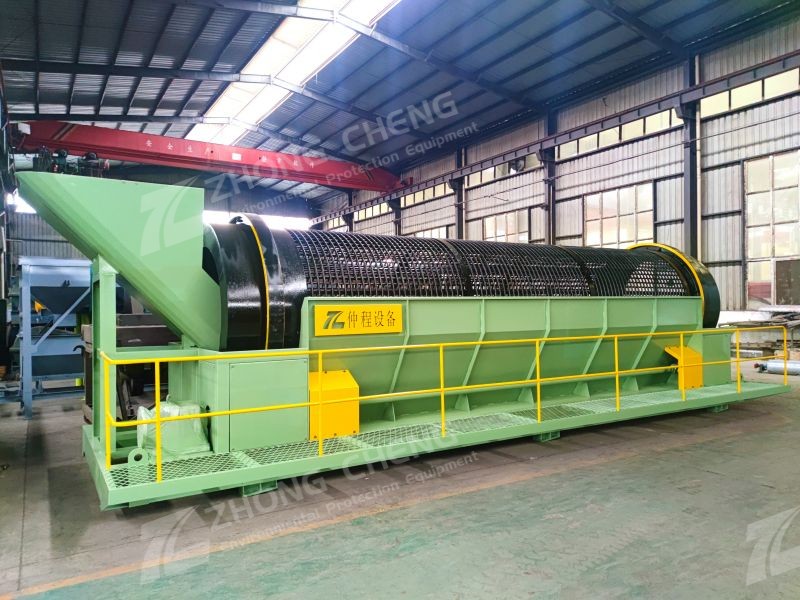
Waste volume reduction constitutes the fundamental function of aged refuse screening, as well as the key to alleviating the pressure of land occupation. Following the screening process, inert materials—such as masonry rubble and aggregates—along with humus-rich soil can be directly utilized as resources; meanwhile, lightweight combustible materials, metals, and plastics can be recovered for further processing, thereby eliminating the need for them to be returned to a landfill. Relevant engineering practices have demonstrated that sophisticated screening techniques can reduce the final volume of aged refuse requiring landfilling by over 60%, thereby substantially shrinking the land footprint required for waste disposal. Furthermore, following the screening and remediation of aging landfills, the land previously occupied by waste can be restored and repurposed for urban greening, industrial development, infrastructure construction, and other uses. This revitalizes existing land resources and aligns with the developmental needs of urban renewal. A prime example is the remediation project for aged waste at Shenzhen’s Yulong Landfill; by significantly reducing waste volume through screening, the project liberated large contiguous tracts of land, providing the necessary space for the establishment of strategic emerging industries and achieving a win-win outcome for both ecological governance and urban development.
2. Advancing Waste Detoxification to Fortify Ecological Security Barriers
Screening serves to sever the pollution chain of aged waste at its source, thereby enabling its harmless disposal and safeguarding the security of the ecological environment. On one hand, the screening process separates putrescible organic matter and hazardous impurities, thereby preventing leachate leakage from contaminating soil and groundwater, curbing the uncontrolled emission of landfill gas, and mitigating risks such as foul odors and potential explosions. On the other hand, the separated materials can undergo targeted, harmless treatment: humus-rich soil—once tested and verified to meet safety standards—can be utilized for ecological restoration; combustible materials can be incinerated under strict regulations to generate electricity; and inert aggregates, following harmless treatment, can be repurposed for the production of construction materials—effectively eliminating the risk of secondary pollution. Compared to traditional, rudimentary landfilling methods, the harmless disposal facilitated by screening thoroughly eliminates the long-term pollution hazards associated with aged waste, improves the surrounding living environment, reduces health risks to local residents, and contributes to the continuous enhancement of regional ecological environmental quality.
3. Promoting Waste Resource Utilization to Unlock Diverse Resource Value
Resource utilization constitutes the core value proposition of aged waste screening, transforming what was once an "environmental burden" into a source of "resource wealth." Screening enables the precise separation of various usable components, ensuring the maximum utilization of resources. Recyclable materials—such as metals, plastics, and glass—can be sorted and purified before re-entering the industrial production chain, thereby reducing the need for virgin mineral extraction. High-calorific-value materials—such as lightweight textiles and plastics—can be processed into Refuse-Derived Fuel (RDF) for use in waste-to-energy incineration or co-processing within cement kilns, serving as a supplement to clean energy sources. For instance, the lightweight combustible materials screened from the Shenzhen Yulong Landfill are projected to generate up to 100 million kilowatt-hours of electricity—enough to meet the annual power needs of tens of thousands of households. Humus-rich soil, following detoxification treatment, can be utilized as landfill cover soil or nutrient-rich soil for landscaping, thereby contributing to ecological restoration. Inert aggregates—such as bricks and concrete—can be crushed and processed into recycled construction materials for use in road paving and infrastructure projects, effectively lowering construction material production costs. This model of resource recovery not only enhances the efficiency of solid waste utilization but also generates substantial economic returns, thereby fostering the development of a circular economy.
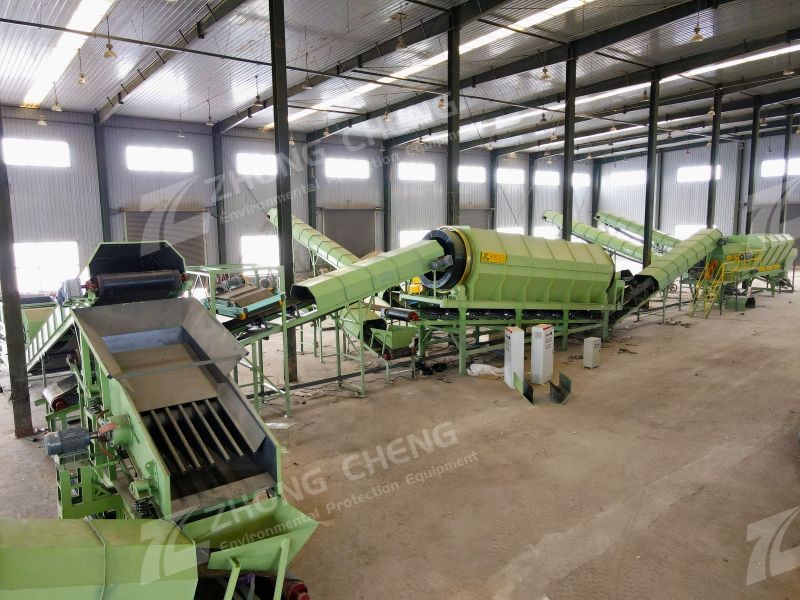
4. Optimizing Downstream Disposal Processes to Reduce Overall Management Costs
As a preliminary step, the screening of aged landfill waste significantly optimizes subsequent disposal stages, boosting disposal efficiency while lowering overall management costs. Mixed waste that has not undergone screening requires substantial inputs of manpower and material resources during subsequent landfilling or incineration to handle impurities, resulting in low disposal efficiency and high energy consumption. Conversely, screened materials possess a more uniform composition, allowing for more targeted downstream disposal; they require no further sorting and can proceed directly to the appropriate disposal processes, thereby simplifying workflows and enhancing operational efficiency. Furthermore, the economic returns generated by recovered resources can offset a portion of the management costs; simultaneously, the reduction in waste volume minimizes the land area required for landfilling as well as transportation expenses, ultimately achieving a cost-effective and efficient approach to managing aged landfill waste. Moreover, standardized screening and disposal practices mitigate the risk of environmental penalties, ensure compliance with environmental regulatory requirements, and guarantee the sustained, long-term progress of aged waste remediation efforts.
The screening of aged landfill waste serves as both a necessary measure for mitigating the ecological risks associated with accumulated waste and responding to ecological governance policies, and a pivotal mechanism for achieving the reduction, harmless treatment, and resource recovery of waste. Driven jointly by the "Dual Carbon" goals and the development of "Waste-Free Cities," the continuous optimization of screening processes for aged municipal waste—specifically by enhancing the precision and sophistication of screening operations—serves a multifaceted role. This approach not only resolves the complex challenges associated with managing accumulated urban waste but also catalyzes a green transformation within the solid waste disposal industry, thereby fortifying the ecological foundations and injecting green momentum into sustainable urban development.

 Phone: +86 187 3819 4110
 E-mail: sales@zchmachinery.com
 Address: 36 xueyuan road, Zhengzhou City, Henan Province, China.


© 2025 ZhongCheng ECO
Technical support: Beijing Century Network