Shares the latest waste recycling machines, production lines, and technical solutions.
 Home > Blogs > Waste Recycling
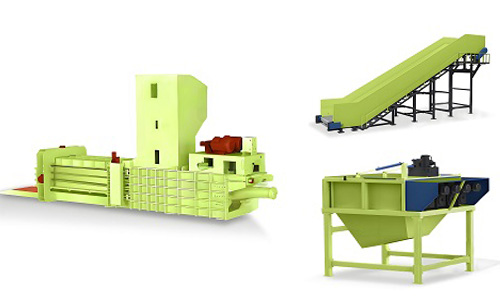
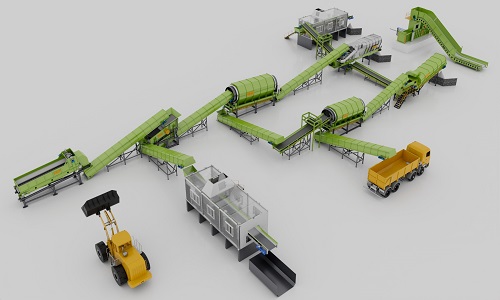
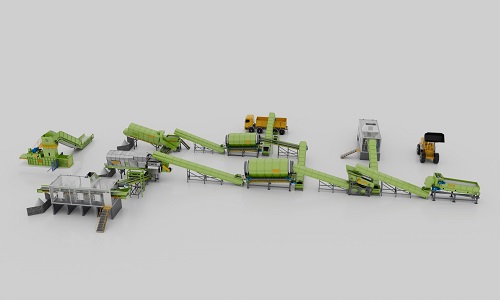
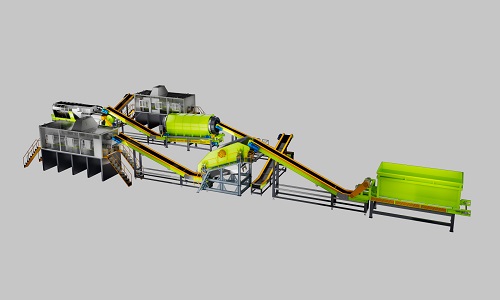
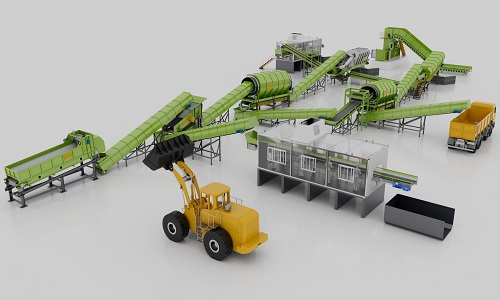
Aged waste refers to long-term stockpiled waste in landfills, generally characterized by high moisture content, high viscosity, and mixed composition. It contains various impurities such as bricks, stones, plastics, metals, humus, and textiles. Traditional manual sorting and simple screening equipment are inefficient, prone to clogging, and have poor pollution control, failing to meet the needs of large-scale, standardized disposal. Aged waste screening equipment, as a core specialized piece of equipment for stockpiled waste management, is tailor-made to address the pain points of aged waste disposal. It possesses unique equipment features and significant application advantages, enabling precise waste sorting while solving disposal problems and improving treatment efficiency. It is a key support for the ecological restoration of landfills and the construction of waste-free cities. This article, approximately 1500 words long, elaborates on the core features and application advantages of the equipment, closely aligning with industry practices and environmental governance needs.
A. Core Features of Aged Waste Screening Equipment
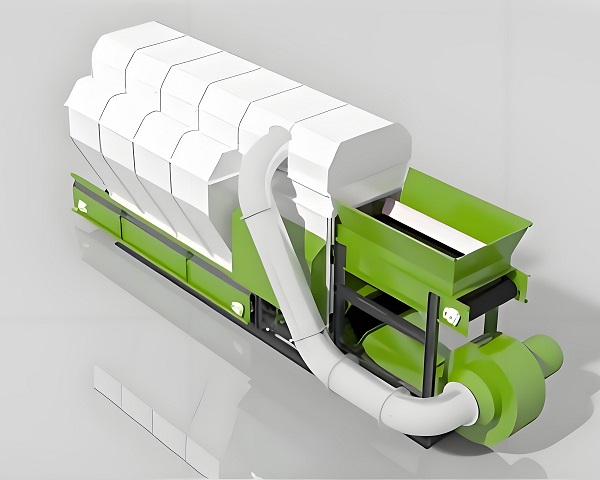
1. Strong Material Adaptability, Effectively Addressing the Problems of Wet and Sticky Screening
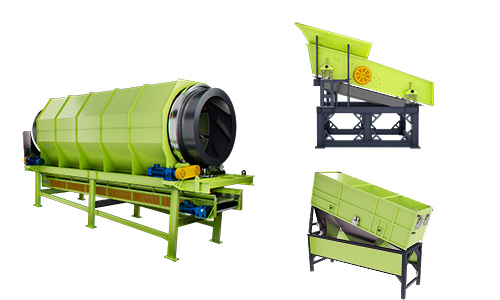
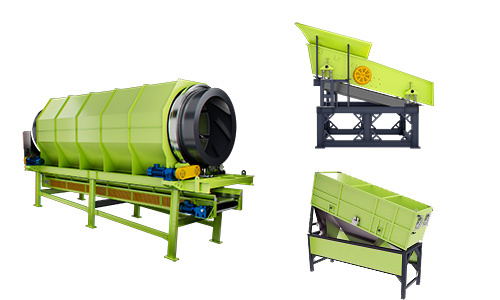
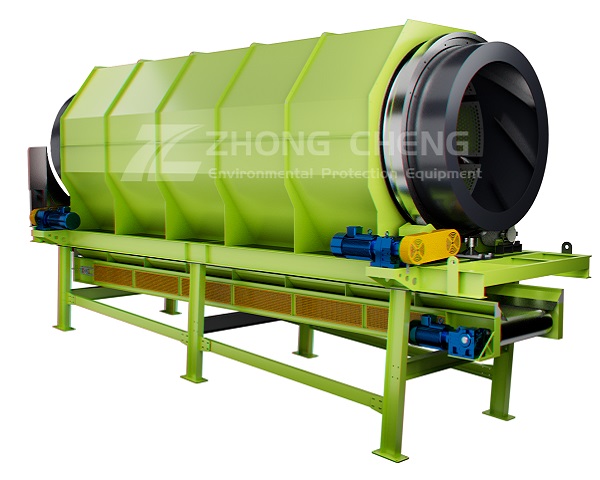
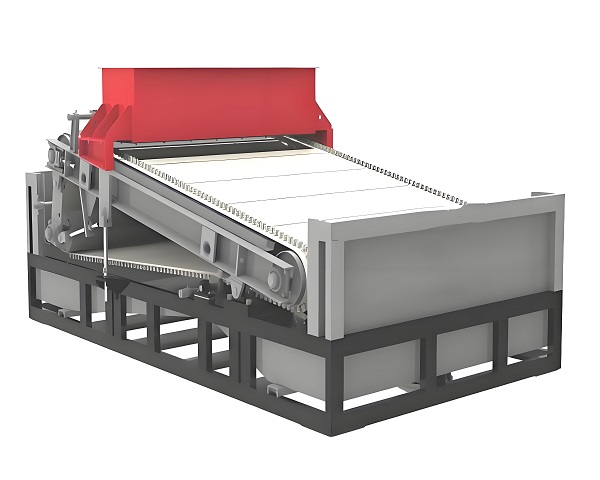
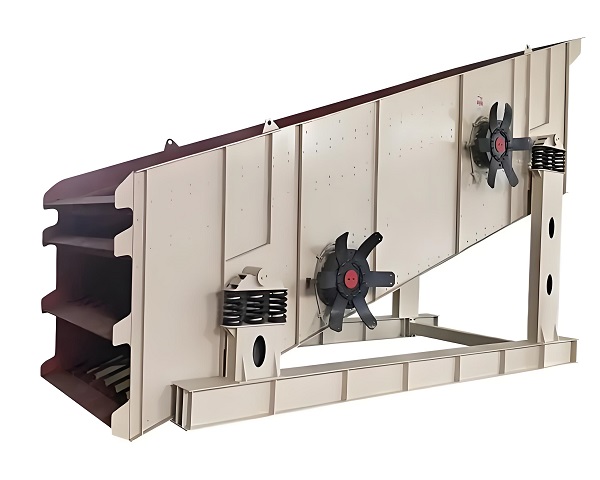
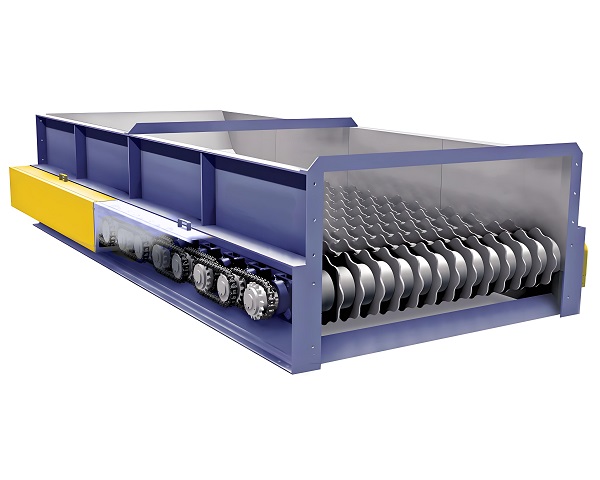
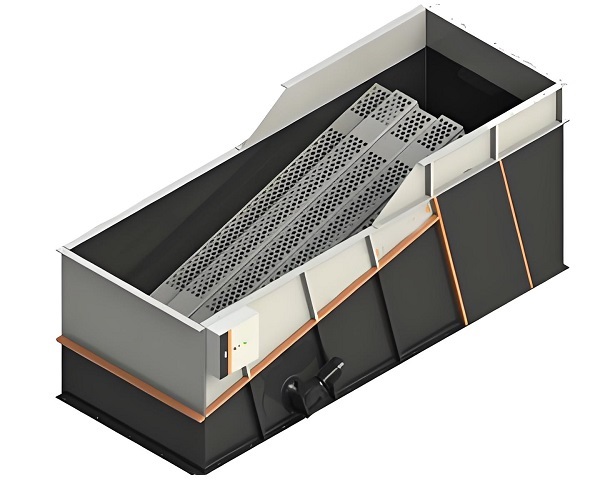
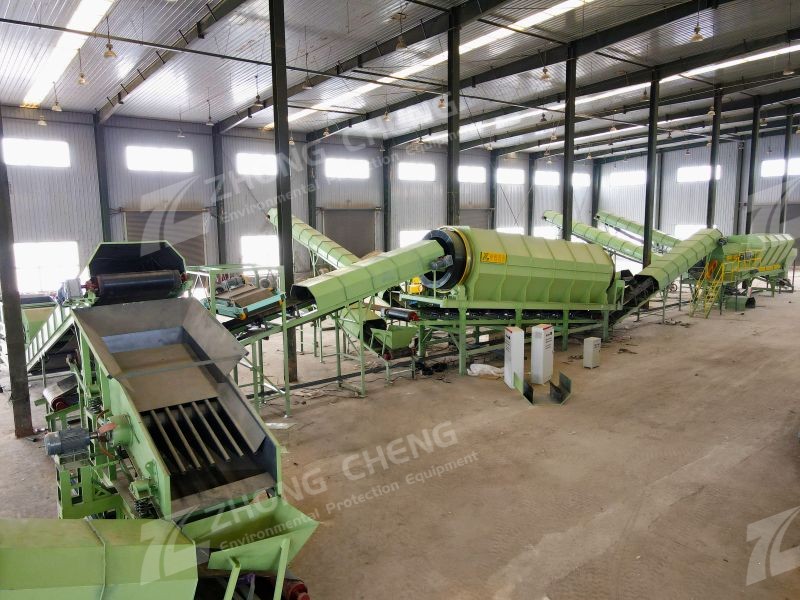
The biggest challenge in handling aged waste lies in its high moisture content and viscosity, which easily leads to screen clogging, material adhesion, and material jamming. Ordinary screening equipment struggles to operate stably. This equipment features a specifically optimized screening structure. Mainstream models utilize specialized screening units such as tension screens, double-layer bar screens, and drum screens, combined with flexible polyurethane screen surfaces and wear-resistant bars. The screen surface can dynamically relax and vibrate at high frequencies, thoroughly breaking up clumps of waste and achieving self-cleaning through screen surface expansion and contraction, thus preventing clogging at its source. The equipment can flexibly adapt to aged waste with different levels of degradation and compositions. Whether it's moist humus, large hard debris, or mixed waste containing fine impurities, it maintains efficient screening. Single-machine processing capacity ranges from 30-250 tons/hour, perfectly meeting the large-scale, continuous disposal needs of landfill stockpiles, with adaptability far exceeding that of conventional screening equipment.
2. High Grading Accuracy and Refined Sorting Results
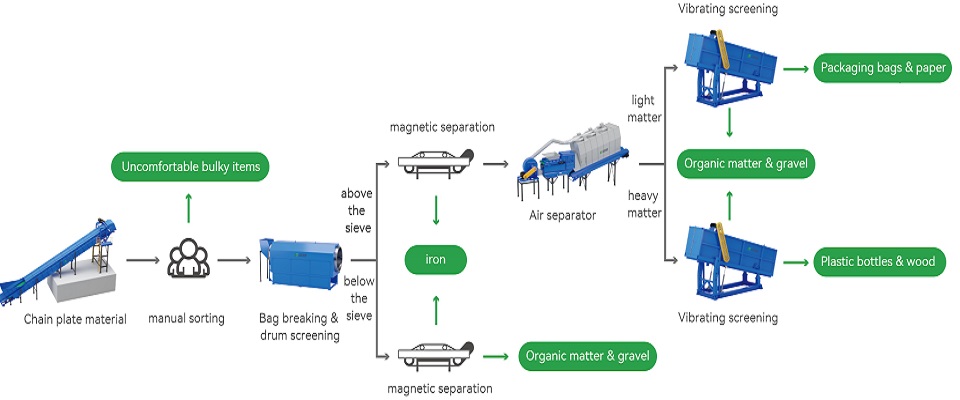
Unlike simple, single-function screening equipment, the aged waste screening equipment adopts a multi-stage stepped screening structure, integrating multiple processes such as large-item sorting, coarse-fine grading, and light-heavy separation. It can perform multi-level refined separation of waste according to particle size, material, and density, with a grading accuracy rate of over 90%. The equipment is equipped with multi-layered customized screen surfaces, which can accurately separate oversized waste, coarse aggregate, fine soil and stone, humus, and lightweight combustibles, avoiding resource waste and secondary pollution caused by mixed disposal. High-end models are also equipped with a PLC intelligent central control system and real-time monitoring module, which can automatically adjust vibration frequency and feed speed to further optimize the screening state and ensure the purity of various sorted materials, laying a solid foundation for subsequent resource utilization.
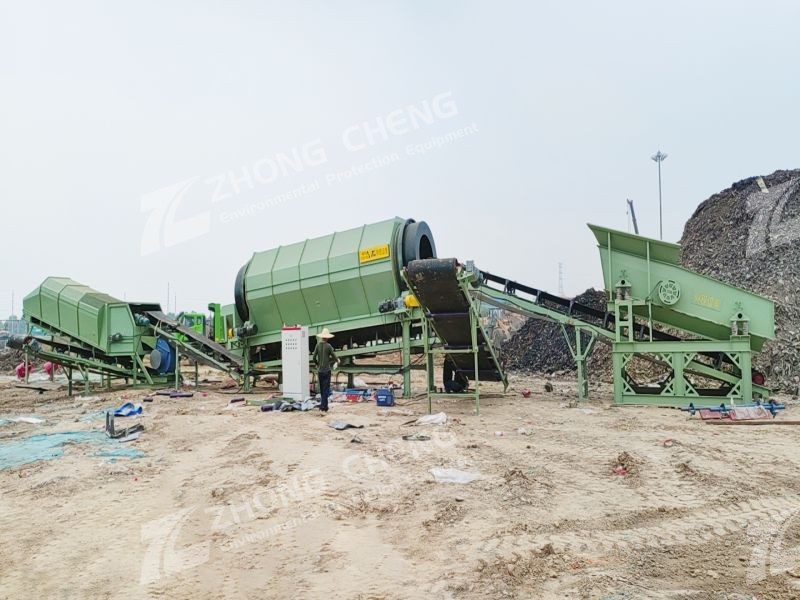
3. Robust and Durable Structure, Stable Operation, and Low Failure Rate
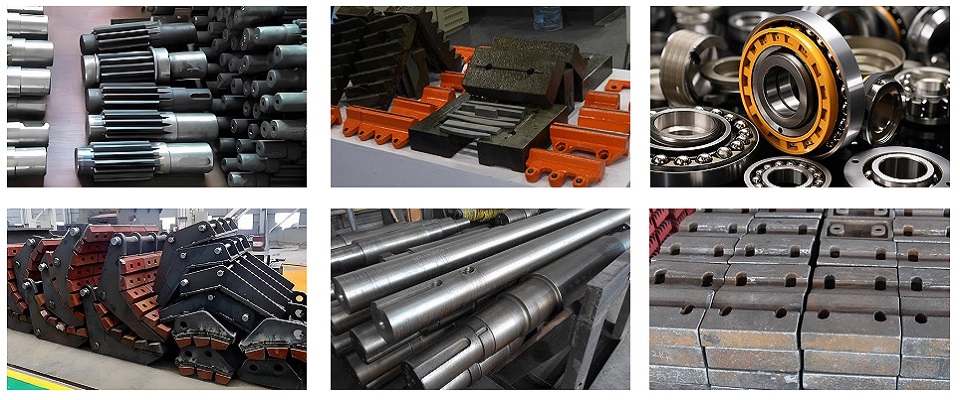
Aged waste contains hard debris such as bricks, stones, and metals. The screening process is highly impactful, placing stringent requirements on the durability of the equipment. The main body of the equipment is constructed with thickened wear-resistant steel. Key components such as the screen plate, vibrator, and transmission components have undergone wear-resistant and impact-resistant reinforcement treatment. The upper screen surface can withstand heavy-duty impacts and handles hard debris with ease. Simultaneously, the optimized transmission structure and anti-tangling design, along with auxiliary devices for bag breaking and material unwinding, effectively prevent flexible debris such as plastic bags and cloth strips from tangling with equipment parts, significantly reducing downtime for maintenance. The machine boasts excellent sealing and low operating noise, enabling stable 24-hour continuous operation, improving processing efficiency while reducing subsequent maintenance costs.
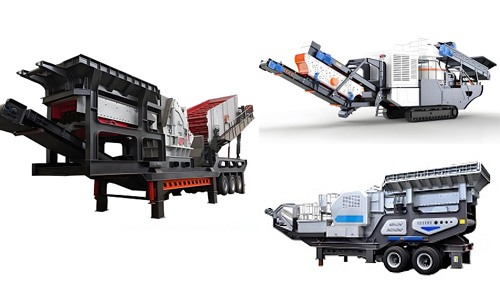
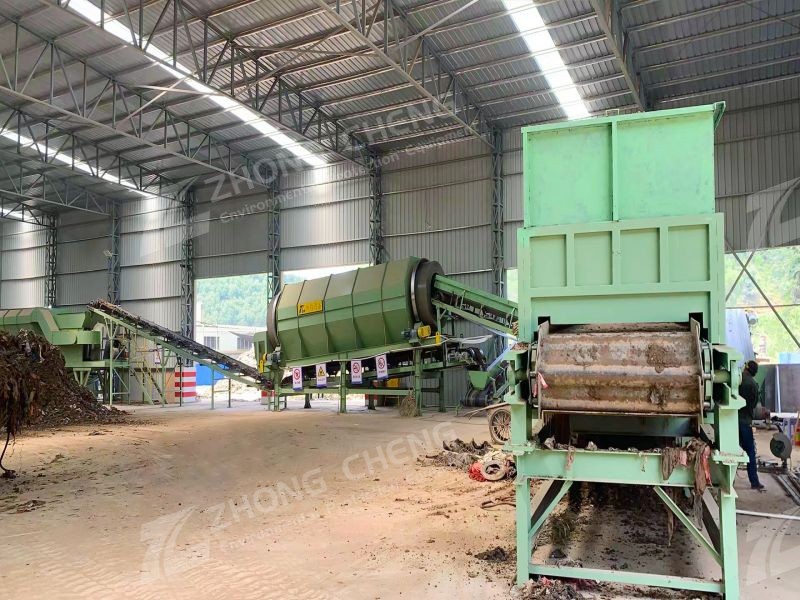
4. Intelligent and Environmentally Friendly Integration for Safer and Cleaner Operation This modern waste screening equipment integrates automation and intelligent technologies, achieving fully automated control of the feeding, screening, conveying, and discharging processes. Only a small number of personnel are required to operate it, reducing labor intensity and on-site operational risks. To address dust and odor pollution during the screening process, the equipment is equipped with sealed dust covers, spray dust suppression, and negative pressure deodorization devices, ensuring fully enclosed operation, effectively suppressing dust diffusion, reducing odor volatilization, and preventing secondary pollution. Some mobile models utilize tracked chassis, eliminating the need for complex infrastructure construction and allowing for flexible relocation and deployment. They are suitable for various scenarios, including landfills and temporary disposal sites, balancing practicality and environmental friendliness.
B. Core Application Advantages of Aged Waste Screening Equipment
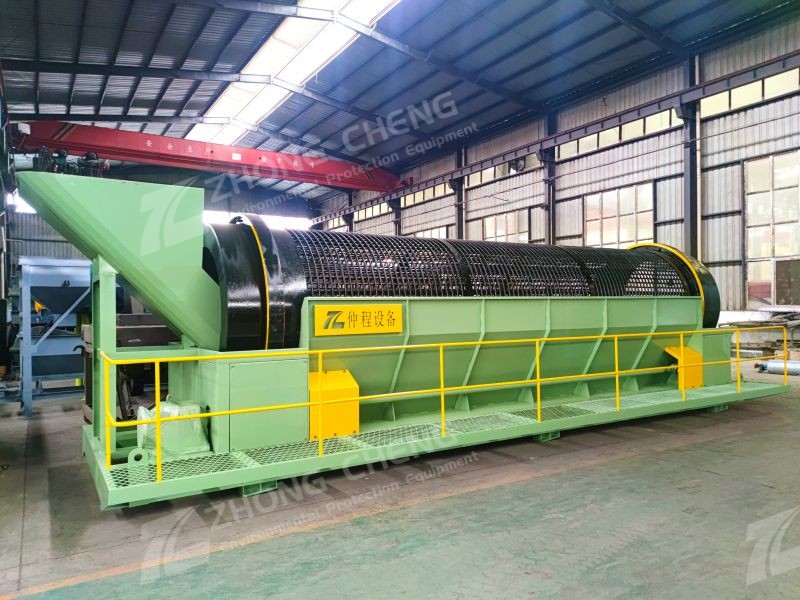
1. Highly Efficient Volume Reduction, Freeing Up Landfill Land Resources Existing aged waste occupies significant urban land in landfills; volume reduction is the core objective of waste disposal. This equipment, through refined sorting, can quickly separate inert materials, recyclables, combustibles, and humus from waste. After removing components suitable for resource utilization, the volume of remaining inert residue is significantly reduced, achieving an overall reduction rate of over 60%. The treated inert material can be properly backfilled, effectively restoring landfill capacity. Some older landfills have achieved a capacity recovery rate exceeding 70% after treatment, greatly alleviating urban waste landfill pressure, revitalizing idle land resources, and promoting land resource recycling.
2. Harmless Disposal, Eliminating Ecological and Environmental Hazards
Long-term landfilling of stagnant waste easily breeds harmful bacteria and emits foul odors. Leachate can also pollute soil and groundwater, threatening the surrounding ecosystem and residents' health. The equipment, through a closed and standardized screening process, thoroughly breaks up clumps of waste, blocking the breeding ground for bacteria. Combined with dust suppression and deodorization measures, it effectively controls the spread of pollution. Simultaneously, the screening process separates heavy metals and harmful impurities from the waste, preventing harmful substances from leaking with leachate, reducing the pollution load at the source, completely eliminating ecological safety hazards at landfills, improving the surrounding living environment, and contributing to urban ecological restoration.
3. Resource Utilization, Unlocking the Recycling Value of Waste
Stagnant waste is not without value; meticulous screening is the core prerequisite for achieving resource utilization. Through equipment sorting, recyclable materials such as metals and plastics can be separated and purified for return to the recycling system; lightweight combustibles can be processed into waste-derived fuel (RDF) for incineration power generation to achieve energy recovery; humus, after harmless treatment, can be used as an organic substrate for landscaping and soil improvement; coarse aggregates such as bricks, tiles, and stones, after crushing and processing, can be used for road paving and building materials, truly turning waste into treasure. Relying on the equipment's precise sorting capabilities, the resource utilization rate of aged waste is significantly improved, practicing the concept of a circular economy and reducing the consumption of primary resources.
4. Cost Reduction and Efficiency Improvement, Optimizing the Entire Process Disposal System Unscreened mixed aged waste has a complex composition, making subsequent incineration, landfill, and resource recovery difficult, costly, and inefficient. This equipment pre-classifies and categorizes the waste, enabling separate disposal of materials. Each type of material can be matched with the optimal disposal process, avoiding the process compatibility problems of mixed disposal. Fine screening reduces the amount of material for subsequent disposal, lowering incineration energy consumption, landfill space requirements, and labor input, thus improving overall disposal efficiency. Meanwhile, the recycled products can generate additional economic benefits, offsetting disposal costs and achieving a win-win situation for both environmental and economic benefits, thus helping to improve the quality and efficiency of the waste disposal industry.
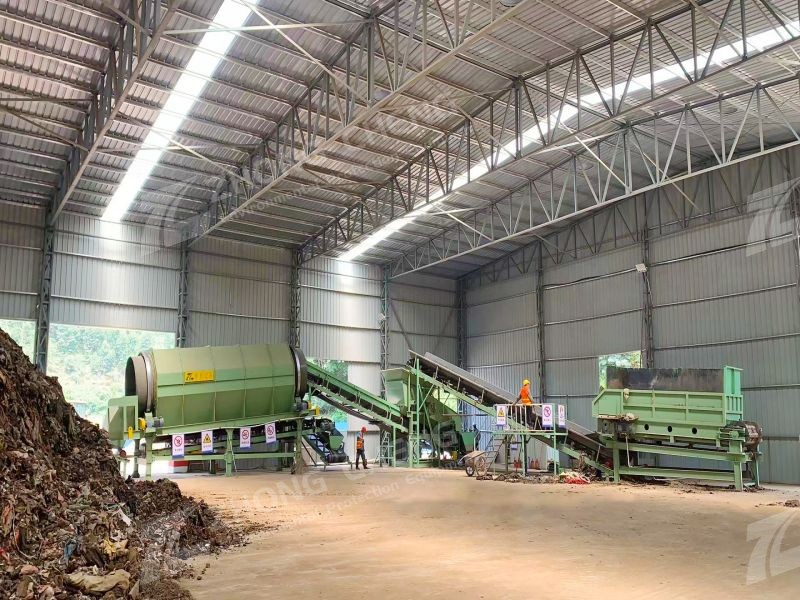
The aged waste screening equipment, with its strong adaptability, high precision, durability, environmental friendliness, intelligence, and high efficiency, as well as its core advantages of volume reduction, harmlessness, resource recovery, cost reduction, and efficiency improvement, completely solves the industry pain points of aged waste disposal. Against the backdrop of increasingly stringent ecological and environmental protection policies and accelerated management of existing waste, this equipment has become a core component for eliminating existing waste and remediating landfills, promoting the transformation of urban waste disposal from extensive landfilling to volume reduction, harmlessness, and resource recovery. This has significant practical implications for improving urban waste management and implementing the concept of green development.

 Phone: +86 187 3819 4110
 E-mail: sales@zchmachinery.com
 Address: 36 xueyuan road, Zhengzhou City, Henan Province, China.


© 2025 ZhongCheng ECO
Technical support: Beijing Century Network