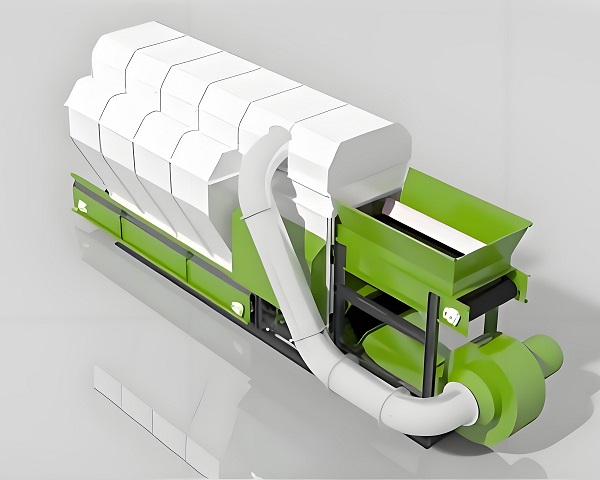
Shares the latest waste recycling machines, production lines, and technical solutions.
 Home > Blogs > Waste Recycling
Aged waste is a mixed solid waste formed after years of fermentation and compaction in landfills. Its components are wet, sticky, and mixed, easily tangling and clogging, posing a significant threat to land resources and ecological pollution. Screening is a core step in the reduction, resource recovery, and harmless treatment of aged waste. Utilizing specialized equipment in a streamlined operation, it solves waste management challenges through grading, impurity removal, and resource separation. The entire screening process follows the principle of "coarse before fine, impurity removal before grading," proceeding in four orderly steps, each equipped with dedicated equipment, synergistically achieving efficient waste treatment and resource revitalization. (Approximately 1600 words)
I. Complete Machine Steps in the Aged Waste Screening Process
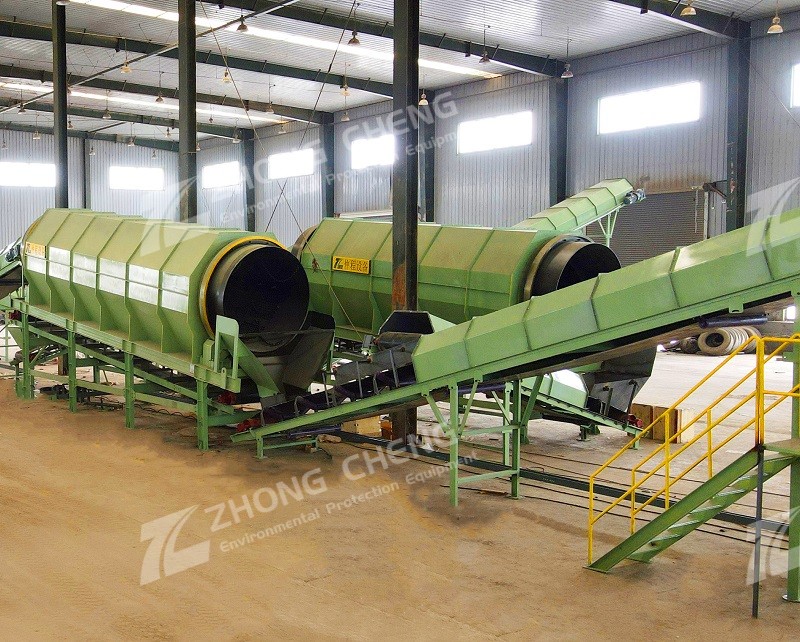
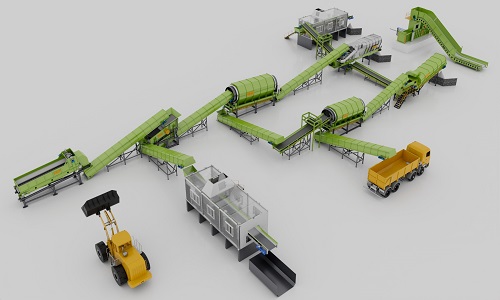
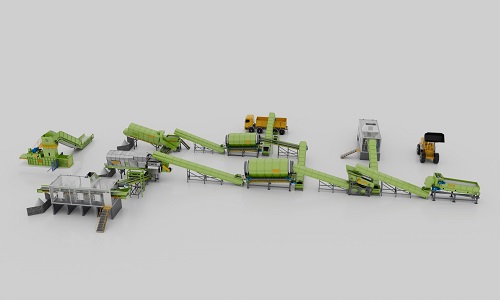
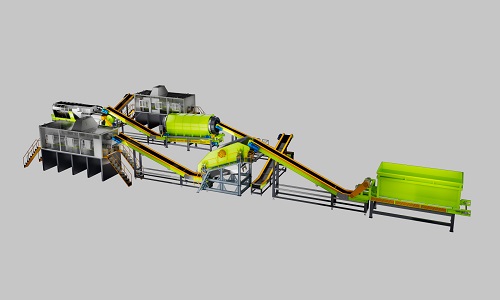
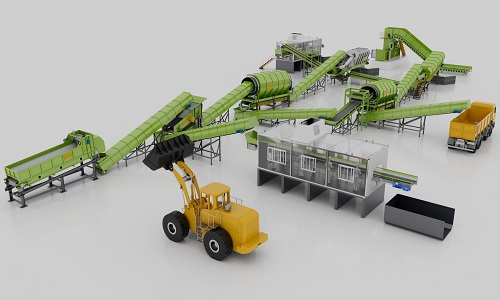
Addressing the characteristics of aged waste—high moisture content, complex composition, and wide particle size range—the screening line adopts a multi-stage equipment series mode. From material entry to fine sorting, the entire process is automated, avoiding manual contact with odorous and toxic materials and improving treatment efficiency.
Step 1: Pre-treatment – Interception and Homogenization of Large Objects
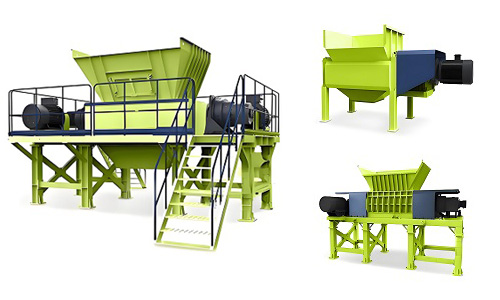
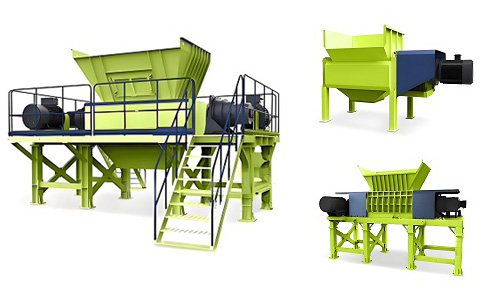
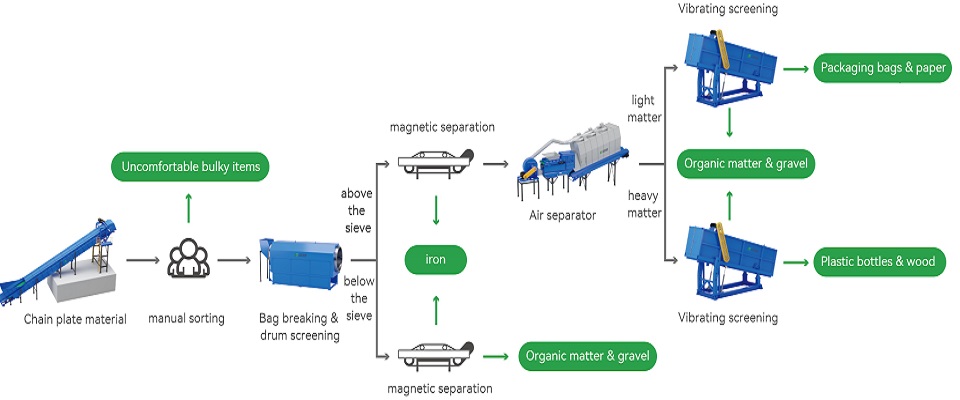
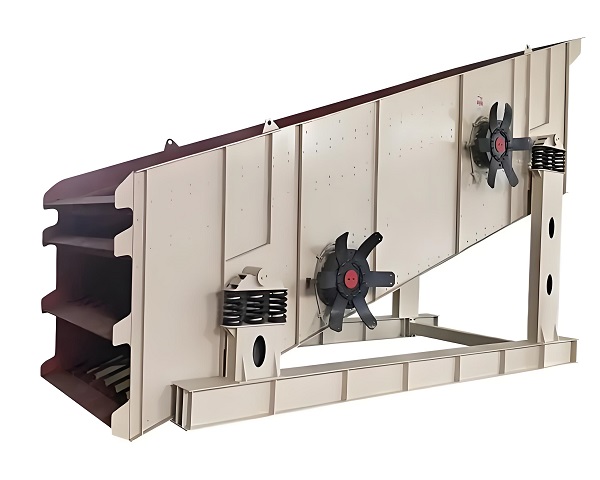
This is the first step in the screening process. Its core function is to eliminate the damage to subsequent equipment caused by large pieces of material, ensuring smooth operation of the production line. First, an excavator removes the aged waste from the landfill and then evenly conveys it to the bar screen via a heavy-duty chain feeder. This equipment uses high-strength alloy steel bar screens with high-frequency vibration and customized gaps to intercept large objects larger than 80mm, such as broken furniture, concrete blocks, thick branches, and scrap steel bars, completely preventing large materials from jamming and damaging precision equipment. Simultaneously, the open structure of the bar screen has a self-cleaning function; the vibrating impact scrapes away wet, decaying materials adhering to the surface, preventing blockages and downtime. The pre-treatment stage can also be combined with a twin-shaft shear crusher to coarsely crush slightly agglomerated materials, paving the way for subsequent fine screening. A single machine can handle 30-250 tons/hour, suitable for large-scale disposal needs.
Step 2: Core Fine Screening, Material Particle Size Classification
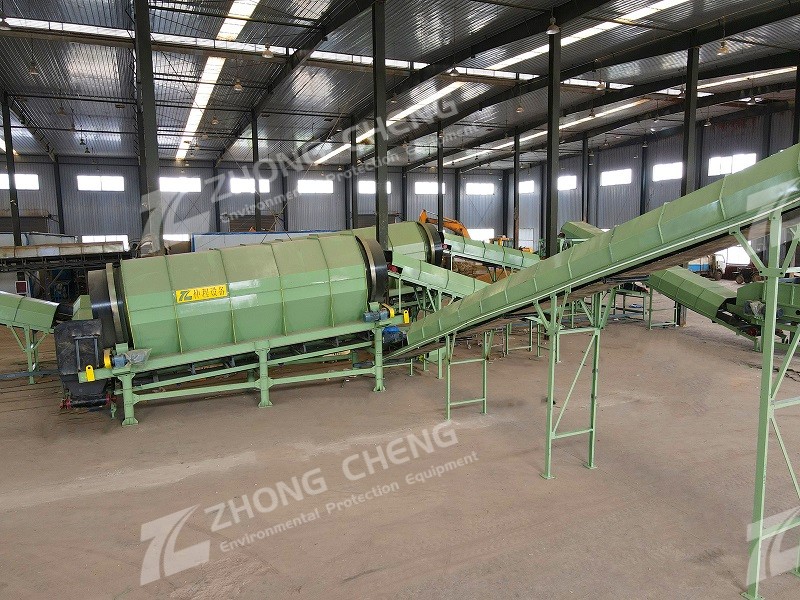
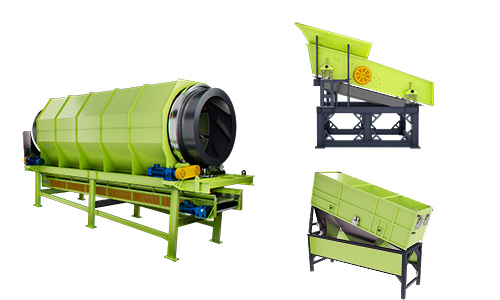
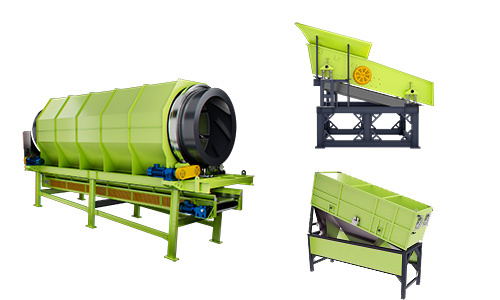
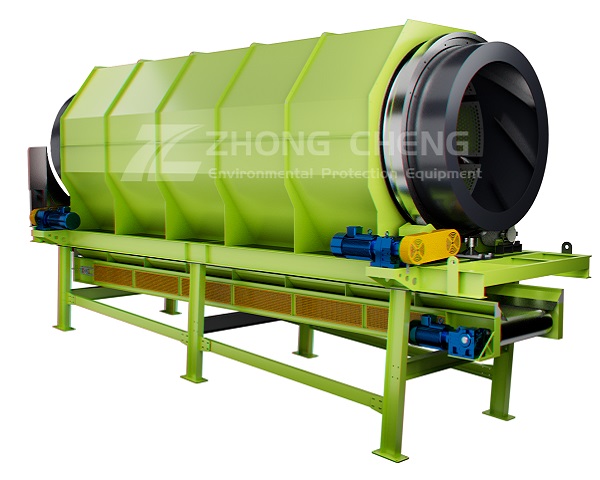
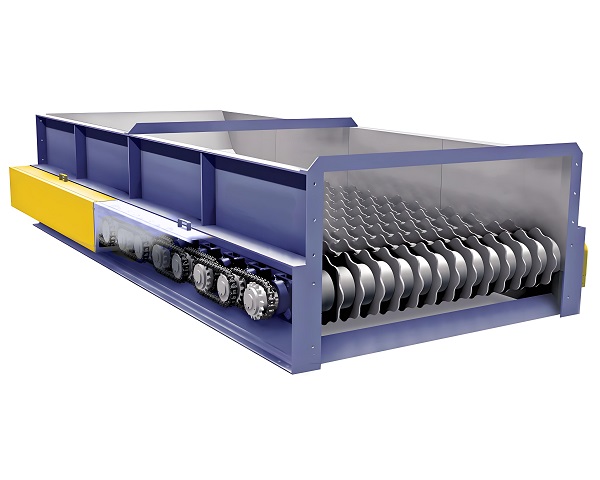
The pre-treated material enters the core screening stage, where a shaftless drum screen or disc screen is used for precise classification. This is a crucial step in separating humus, aggregates, and combustibles. The shaftless drum screen eliminates the central rotating shaft design, completely solving the problem of plastic and fabric entanglement and jamming. It uses a segmented, multi-layered, wear-resistant polyurethane screen, breaking up clumps at the front and classifying the material at the back, separating it into three categories: fine materials smaller than 20mm (humus, fine sand), medium materials (20-80mm, broken bricks, glass, hard plastics), and coarse materials larger than 80mm (large pieces of plastic, rubber, fabrics), with a stable screening efficiency of over 85%. The disc screen, as a new alternative, uses multiple rotating discs for sieving, increasing the throughput by three times compared to traditional drum screens. It is highly adaptable to wet, sticky clumps and irregularly shaped materials, and the gap can be flexibly adjusted to achieve precise classification, combining pre-treatment and fine screening functions.
Step 3: Separation of Mud and Stone, and Purification of Fine Materials
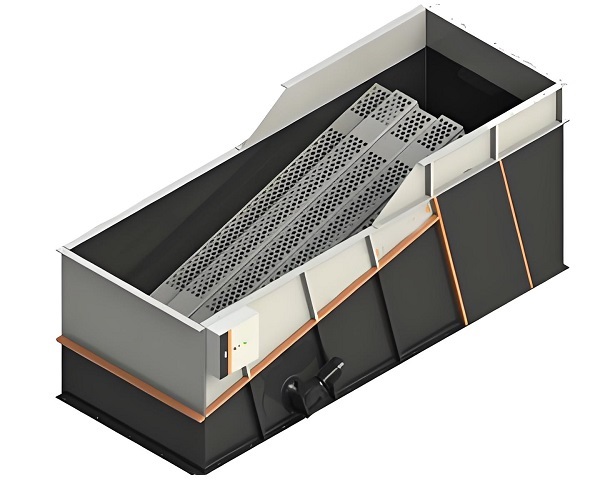
After fine screening, the humus and sand/gravel are heavily adhered together, requiring further purification using a mud and stone separator. The equipment utilizes high-frequency vibration and multi-stage roller linkage to break up the adhering lumps, filter out fine mud, and thoroughly separate the humus from the sand, gravel, and broken bricks. During the separation process, the special structure of the rollers prevents clogging by the fine materials, resulting in clean, impurity-free sand and gravel, and significantly improved purity of the humus. This lays the foundation for subsequent resource utilization and solves the problem of fine materials being mixed and unusable directly.
Step 4: Auxiliary Sorting, Refining and Purifying All Components
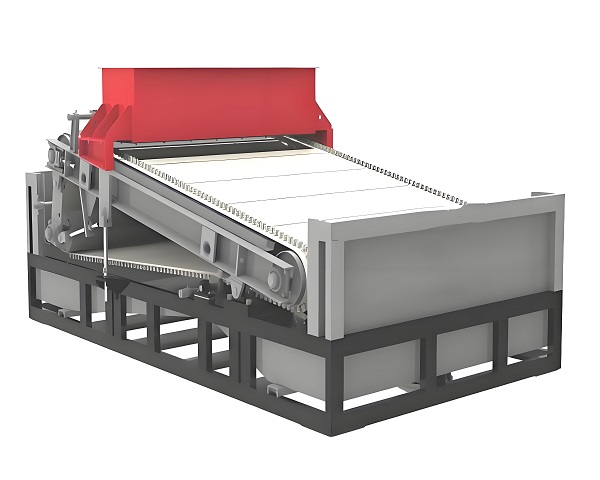
The materials after grading and separation still contain metallic and mixed light and heavy components, requiring auxiliary equipment to complete the final sorting and form a closed-loop process. Magnetic separators are installed at the discharge end of each screening device. These separators utilize strong magnetic fields to adsorb and separate ferromagnetic materials such as iron nails, iron wires, and scrap steel bars, achieving a metal recovery rate of over 95%. Subsequently, air separators are used to separate lightweight materials (plastics, textiles, paper scraps) from heavy materials (bricks, glass) based on air density differences. This thorough separation of recyclables, recycled aggregates, and combustibles provides pure raw materials for subsequent RDF fuel production, building material processing, and metal recycling.
II. The Core Role of Aged Waste Screening Machines
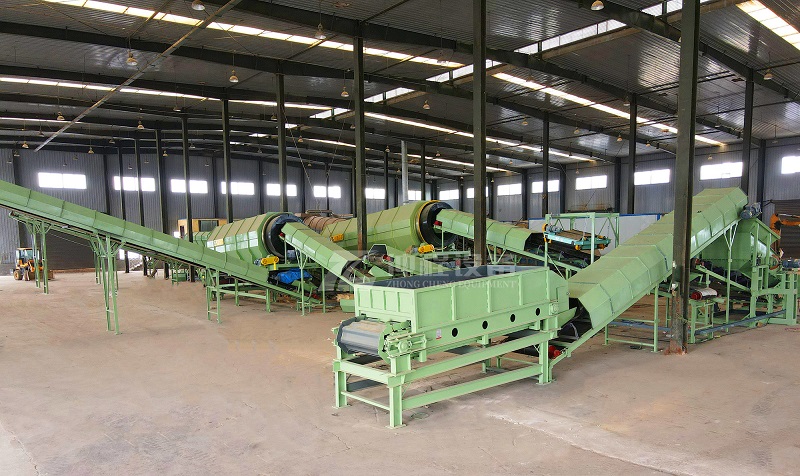
Screening equipment is not merely a tool for material grading; it is the core carrier throughout the entire aged waste disposal process. Through streamlined operations, it achieves a triple improvement in environmental, economic, and social benefits, and is key to solving the challenges of managing existing waste.
1. Significantly Reduced Waste Volume, Freeing Up Landfill Resources
Aged waste contains 50%-70% inert fine materials such as humus and fine sand. After screening and separation, it eliminates the need for secondary landfilling and can be directly used for ecological backfilling and landscaping. Larger debris is intercepted and crushed, reducing its volume and ultimately decreasing landfill volume by over 60%. This not only effectively frees up idle land in landfills and alleviates the pressure on urban land resources, but also reduces long-term costs such as leachate treatment and landfill operation and maintenance, reducing land occupation and pollution spread at the source.
2. Highly Efficient Resource Utilization, Revitalizing Urban Mining Resources
The screening equipment transforms mixed waste into high-value, usable components, turning "garbage mountains" into "resource reservoirs": the separated humus, after harmless composting, can be used as nutrient soil for landscaping and as topsoil for mine restoration; inorganic aggregates such as sand, gravel, and broken bricks, after washing and crushing, are used for road base construction and brick making; recyclable materials such as ferrous metals and plastics are directly recycled and reused, and lightweight combustibles are processed into RDF (Regenerative Thermal Power) alternative fuel for incineration power generation. The entire process maximizes the value of waste resources, promotes solid waste recycling, and contributes to the development of a circular economy.
3. Complete Harmlessness, Reducing Ecological Pollution Risks
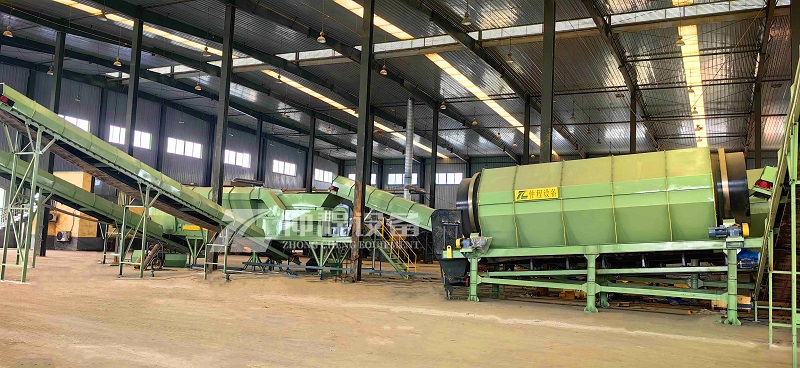
Aged waste easily releases foul odors and leachate, polluting soil, groundwater, and the atmosphere. The screening equipment, through graded separation, classifies and collects easily perishable organic matter, heavy metal impurities, and harmful debris, and carries out targeted harmless treatment. The entire screening process employs a fully enclosed, spray-dust-suppression design, effectively controlling dust and odor emissions; hazardous impurities are centrally and systematically disposed of to prevent the spread of heavy metals and toxic substances; humus soil is treated separately to degrade organic pollutants, completely preventing secondary pollution and strengthening the ecological security defense line.
4. Process Optimization, Improving Overall Disposal Efficiency
Direct disposal of unscreened mixed waste easily leads to equipment jams, severe wear, and low efficiency. Screening equipment pre-classifies materials, allowing materials of different particle sizes and properties to enter their corresponding disposal stages, achieving "graded disposal, each performing its specific function." This reduces wear and maintenance costs of subsequent crushing and sorting equipment, shortens the disposal cycle, ensures continuous and stable operation of the production line, adapts to the large-scale treatment needs of aged waste in large landfills, and improves the overall disposal efficiency.
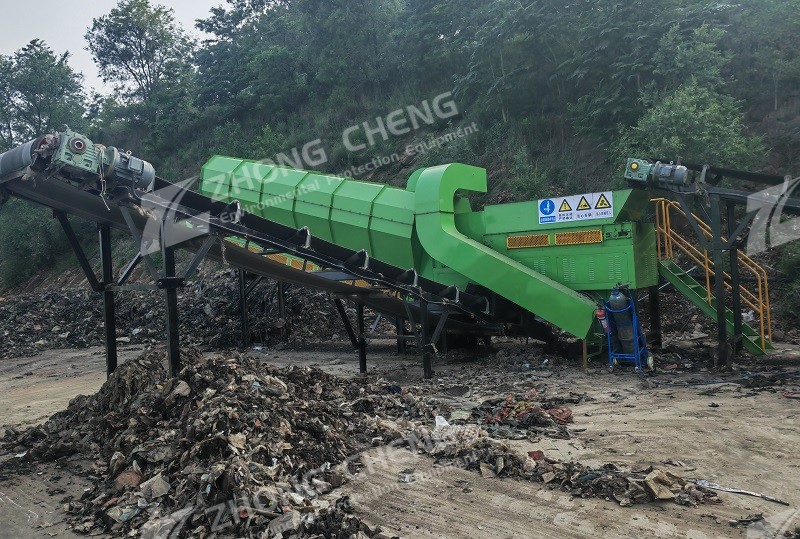
The screening of aged waste centers on "pretreatment, fine screening, mud and stone separation, and auxiliary sorting." Major equipment such as bar screens, shaftless drum screens, and disc screens work in tandem with magnetic and air separation auxiliary equipment to create a specialized treatment system suitable for wet, sticky, and complex materials. This machine process not only achieves precise waste grading but also undertakes multiple missions of waste reduction, resource recovery, and harmless disposal. It addresses the environmental hazards of aged waste while revitalizing the resource value of solid waste. With the intelligent and efficient upgrading of equipment, screening technology will further promote the improvement of the quality and efficiency of existing waste management, contribute to the construction of urban solid waste recycling systems, and achieve a win-win situation for ecological protection and economic development.

 Phone: +86 187 3819 4110
 E-mail: sales@zchmachinery.com
 Address: 36 xueyuan road, Zhengzhou City, Henan Province, China.


© 2025 ZhongCheng ECO
Technical support: Beijing Century Network