Focus on the latest trends in the field of solid waste treatment, deeply analyze the technological innovation and application of screening equipment, and share multi-scenario screening solutions, successful cases and process optimization experience.
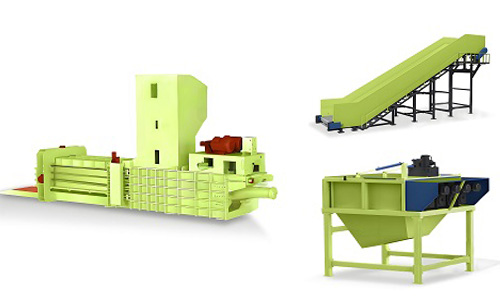
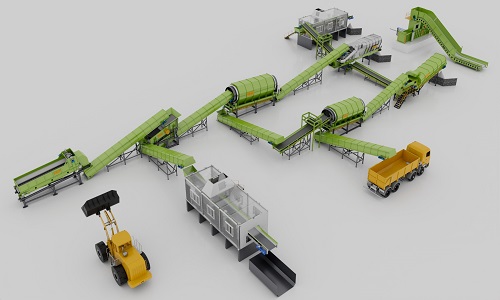
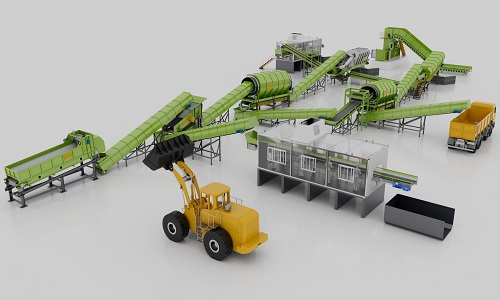
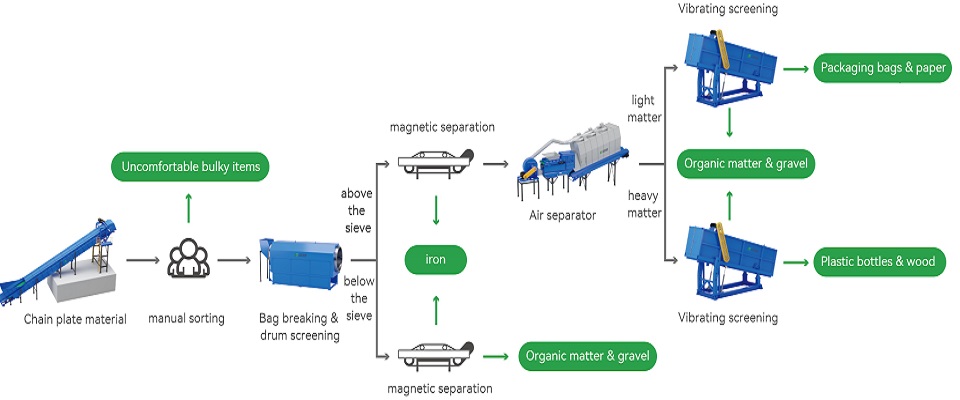
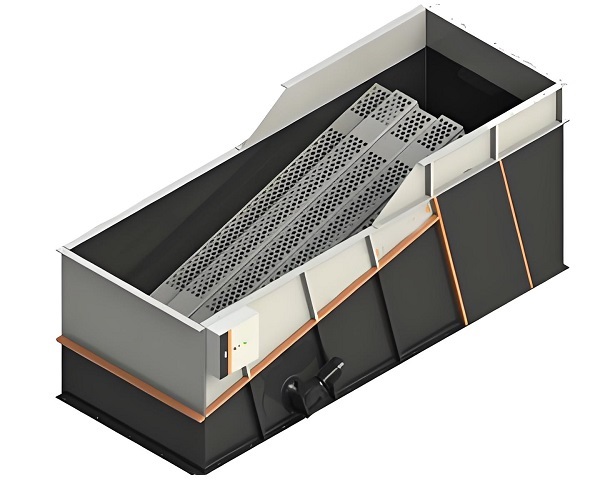
Construction waste primarily originates from scenarios such as building demolition, engineering construction, and renovation and decoration. Its components encompass concrete blocks, broken bricks and tiles, sand and gravel, steel bars, plastics, and wooden blocks. Characterized by a mix of components, high hardness, and uneven block shapes, it is difficult to achieve fine sorting with a single device. Instead, it requires the collaborative operation of complete screening equipment. Construction waste screening equipment does not refer to a single type of machinery, but rather a systematic equipment system composed of pre-treatment equipment, core screening equipment, auxiliary sorting equipment, and conveying supporting equipment. Each type of equipment performs its own function and coordinates with others to achieve the crushing, screening, sorting, and resource utilization of construction waste. This facilitates the reduction, resource recovery, and harmless disposal of construction waste. The following provides a detailed overview of various core machines and their functional characteristics.
1. Pre-treatment equipment: the "pioneer in removing impurities" before screening
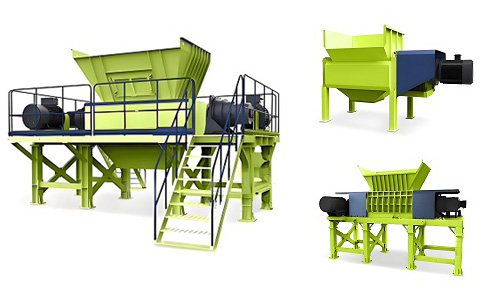
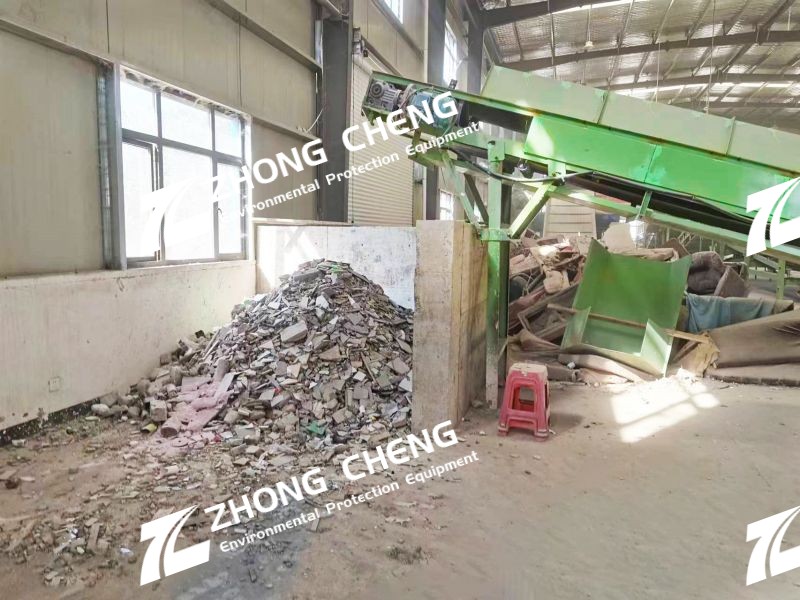
Construction waste is mostly large, hard pieces mixed with debris, which can easily damage equipment and block the screen holes during direct screening. The pre-treatment equipment is responsible for preliminary crushing and impurity removal, laying the foundation for subsequent screening and serving as the front-end core of the entire equipment system.
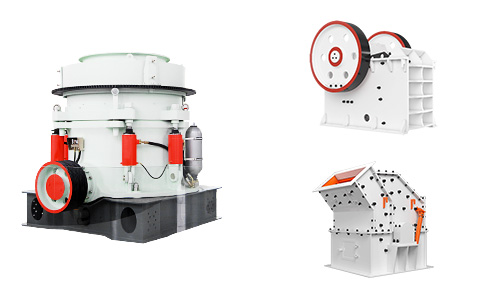
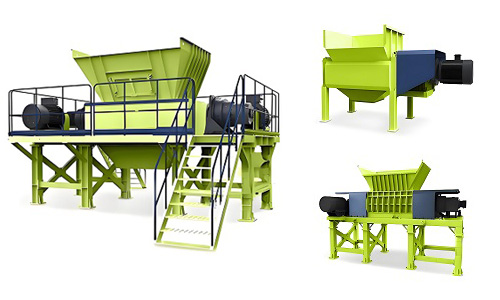
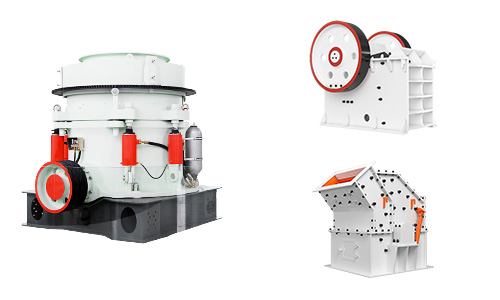
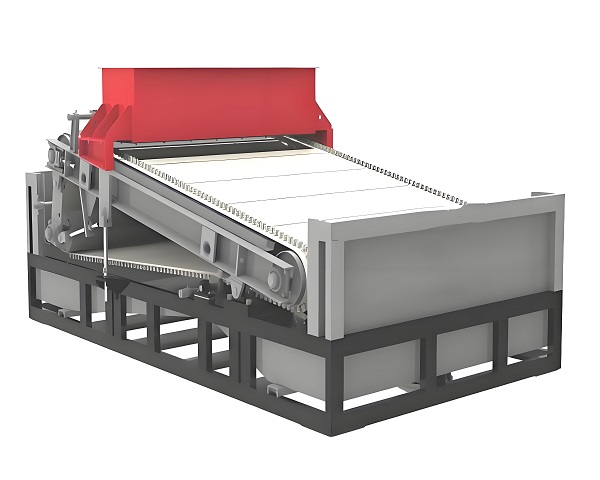
The first is construction waste crusher, which is subdivided into three major mainstream models: jaw crusher, impact crusher, and hammer crusher. The jaw crusher is mainly used for coarse crushing, suitable for super-large concrete, masonry, and other hard materials. It crushes by the squeezing action of the movable jaw and the fixed jaw, with a large crushing ratio and wear resistance, making it suitable for the initial crushing of construction waste. The impact crusher focuses on medium and fine crushing, producing materials with regular particle shapes and without excessive needle-like impurities, suitable for subsequent screening and reuse. The hammer crusher can complete crushing in one go, with higher efficiency for small and medium-sized construction waste and outstanding cost-effectiveness. The second is metal separator, mostly permanent magnet metal separators and electromagnetic metal separators. Construction waste contains a large amount of metal impurities such as steel bars and iron wires. The metal separator can separate metals through magnetic adsorption, which not only prevents metals from scratching screening equipment but also enables the recycling of scrap metal, enhancing resource value.
2. Core screening equipment: the "main force" in construction waste sorting
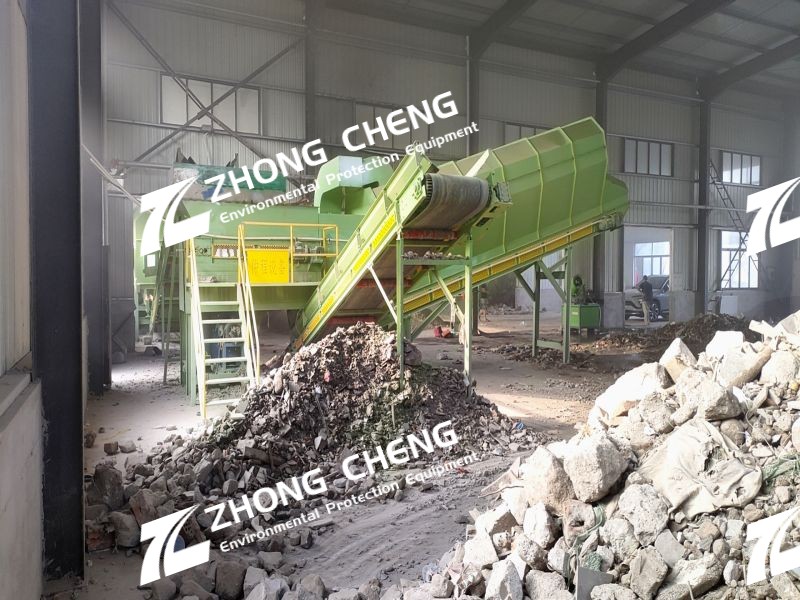
The core screening equipment is the key to the entire system, responsible for fine grading according to particle size and material, separating aggregates of different specifications. The mainstream models are suitable for the characteristics of construction waste, taking into account both screening efficiency and anti-blocking performance. They mainly include the following three categories:
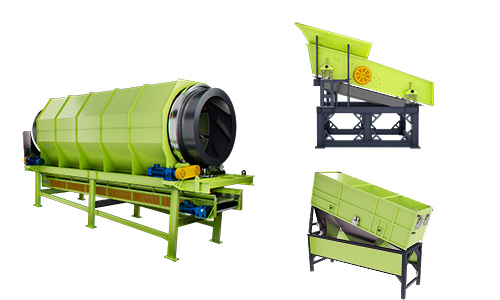
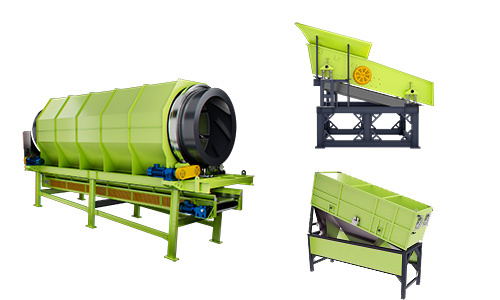
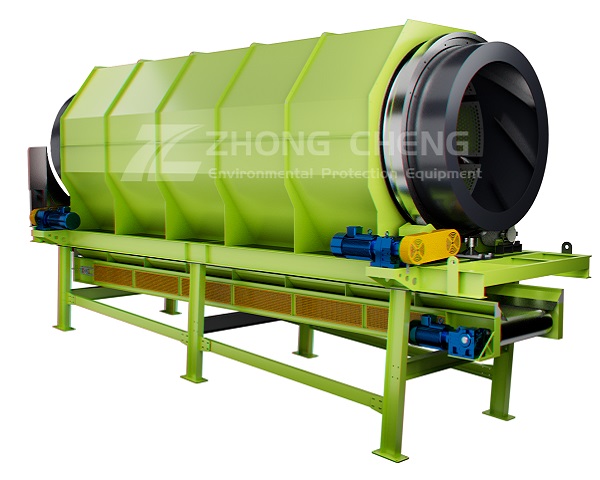
a. Drum screen: It is a commonly used model for screening construction waste. It adopts a cylindrical rotating structure with customizable screen mesh specifications. The material is screened by tumbling through the rotation of the cylinder, which is suitable for wet, sticky, and highly impurity-containing construction waste. It is not prone to clogging and operates stably. It can screen out fine sand, coarse aggregates, and large impurities in different grades. With a large processing capacity per unit, it is suitable for large-scale construction waste disposal sites. It can operate independently or be combined with a crusher to form a simple screening line.
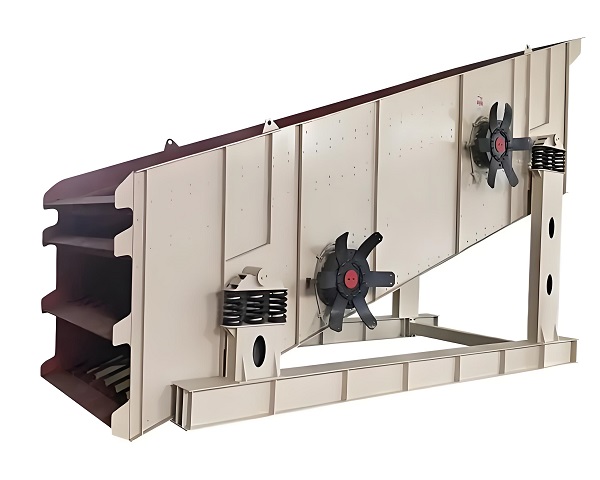
b. Vibrating screen: subdivided into circular vibrating screen and linear vibrating screen, it relies on a vibration exciter to generate high-frequency vibration to achieve screening. It has high screening accuracy and speed, and can accurately separate different specifications of recycled aggregates such as 0-5mm, 5-10mm, and 10-20mm. It is suitable for scenarios where high requirements are placed on aggregate particle size, such as the use of recycled sand and gravel in concrete preparation and subgrade backfilling. Among them, the linear vibrating screen has better screening effect for fine materials, while the circular vibrating screen is suitable for screening needs with large particles and large processing capacity.
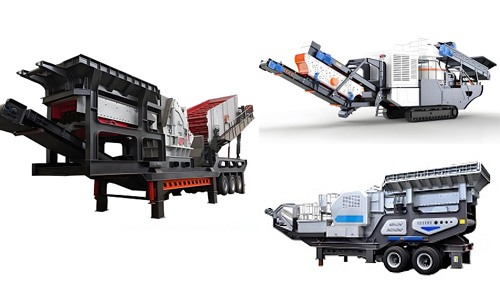
c. Mobile screening station: It is an integrated screening equipment that integrates the screening host, crusher, conveyor device, and power system into one unit. It requires no infrastructure and can be flexibly transferred to different sites, making it suitable for demolition sites and scattered construction waste disposal on construction sites. It is highly maneuverable. Depending on the needs, it can be equipped with a roller screen or vibrating screen, combining the dual functions of crushing and screening. It can screen immediately after production, eliminating the need for material transfer and reducing disposal costs. It is a popular model for small and medium-sized construction waste disposal nowadays.
3. Auxiliary sorting equipment: a "supplemental weapon" for refined sorting
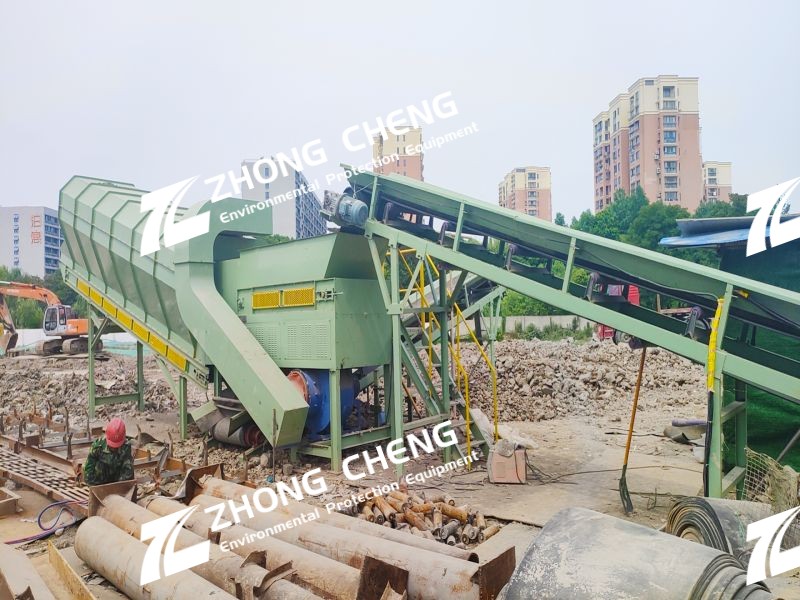
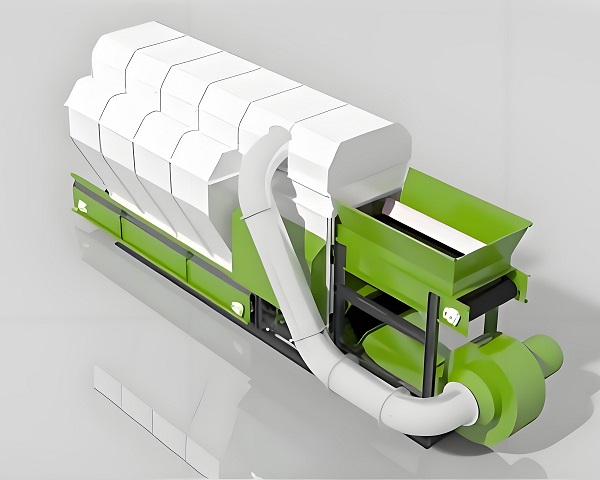
In addition to conventional particle size screening, construction waste also contains lightweight impurities such as wood blocks, plastics, and fabrics. Auxiliary sorting equipment is responsible for deep impurity removal to enhance the purity of recycled aggregates. This mainly includes air separators, integrated screening machines, and lightweight material separators. Air separators utilize wind-based density differences to separate lightweight impurities from heavy aggregates, achieving high sorting efficiency without dust pollution. Lightweight material separators target fine and lightweight impurities, working in conjunction with screening equipment to further remove impurities from aggregates, ensuring the quality of recycled aggregates and meeting high standards for building material production and engineering backfilling.
4. Conveying supporting equipment: the "connecting link" of the screening process
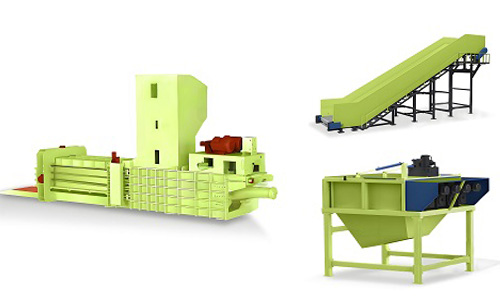
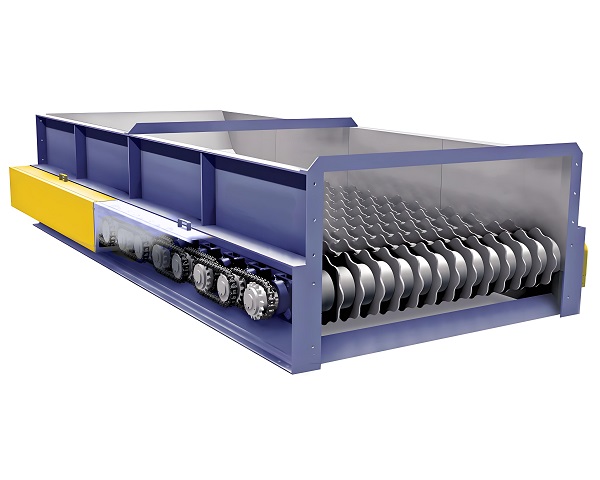
The entire set of construction waste screening equipment cannot be separated from the supporting conveying equipment, which is responsible for material transfer, feeding, and discharging, ensuring a smooth and efficient process. The main types of conveying equipment include belt conveyors and screw conveyors. Belt conveyors are the most widely used, and their length and angle can be adjusted according to the operational scenario, making them suitable for material transfer between various equipment. They operate smoothly and have a large carrying capacity, capable of conveying both blocky construction waste and fine aggregates. Screw conveyors are suitable for enclosed conveyance of fine and powdered materials, preventing dust leakage and meeting environmental protection requirements.
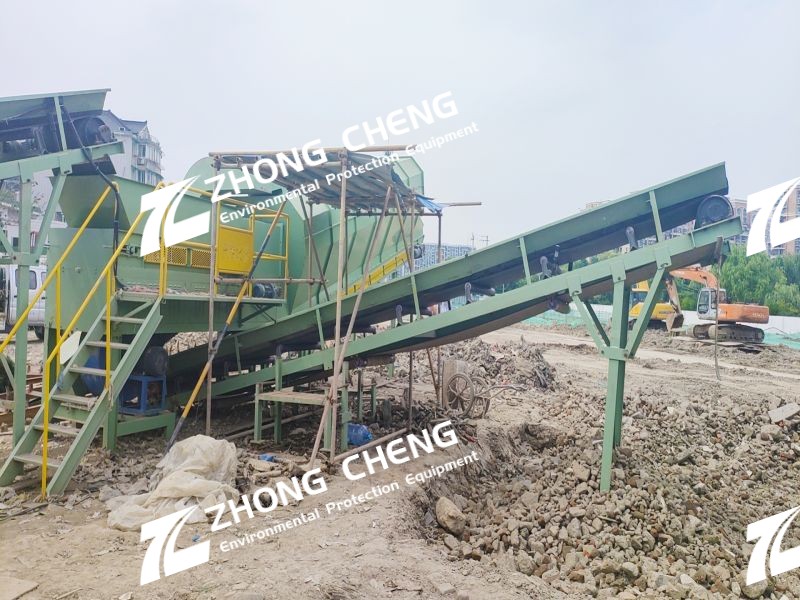
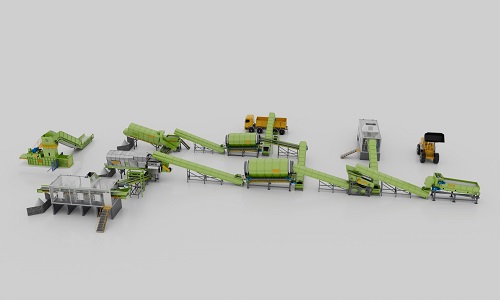
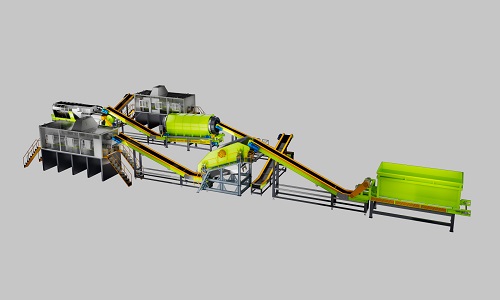
Construction waste screening equipment does not exist in isolation. Instead, it is a complete set of equipment centered around crushers, drum screens/vibrating screens/mobile screening stations, assisted by iron removers and light material separators, and connected by conveying equipment. In practical applications, models can be flexibly combined according to the type of construction waste, processing capacity, and resource recovery needs. This allows for the construction of fixed large-scale screening production lines, as well as the selection of mobile equipment for flexible disposal. Relying on this systematic equipment, construction waste can be transformed into usable resources such as recycled sand and gravel, recycled aggregates, and scrap metal, truly turning waste into treasure. This not only alleviates the problem of construction waste encroaching on cities but also aligns with the environmental protection development concept of green, low-carbon, and circular utilization. It is the core equipment support in the field of construction solid waste disposal.

 Phone: +86 187 3819 4110
 E-mail: sales@zchmachinery.com
 Address: 36 xueyuan road, Zhengzhou City, Henan Province, China.


© 2025 ZhongCheng ECO
Technical support: Beijing Century Network