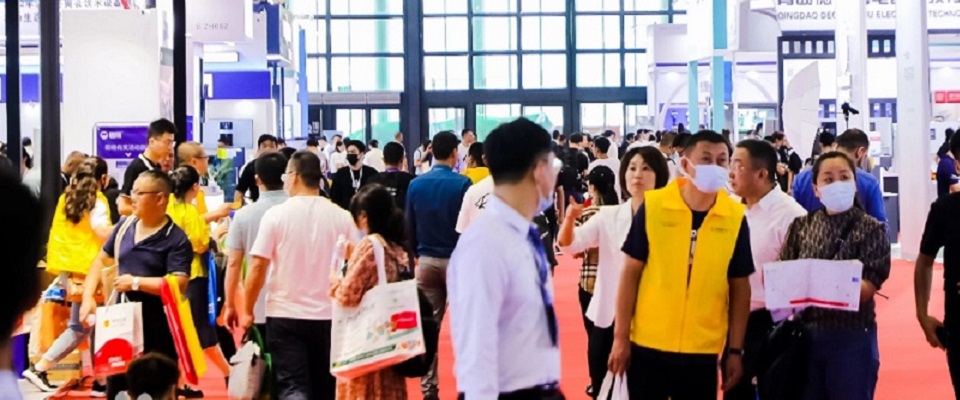
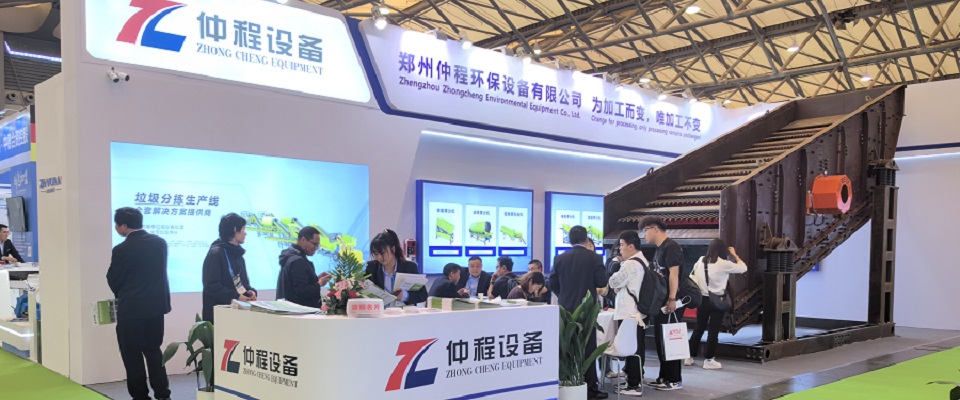
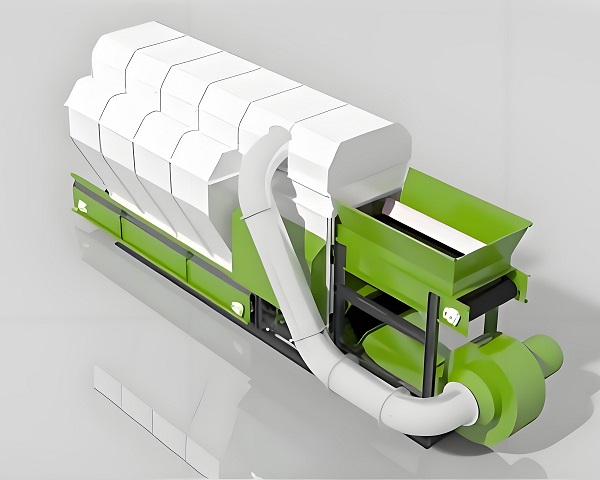
Focus on the latest trends in the field of solid waste treatment, deeply analyze the technological innovation and application of screening equipment, and share multi-scenario screening solutions, successful cases and process optimization experience.
Aged waste refers to mixed solid waste that has been stored in landfills for many years, undergoing long-term fermentation, compaction, and leachate soaking. It is complex in composition, prone to clogging due to its wet and sticky nature, and has a wide particle size range. It occupies a large amount of land and poses risks of soil, groundwater, and air pollution, making it a key challenge in urban solid waste management. Screening, as a core pre-process for the resource recovery, volume reduction, and harmless disposal of aged waste, requires specialized screening equipment to classify materials, laying the foundation for subsequent sorting, recycling, and disposal. Different types of screening machines perform their respective functions and work collaboratively, solving the screening challenges of wet and sticky materials, maximizing the separation of usable components, revitalizing existing waste resources, and contributing to ecological restoration and the development of a circular economy.
I. Core Screening Machines and Performance Characteristics of Aged Waste
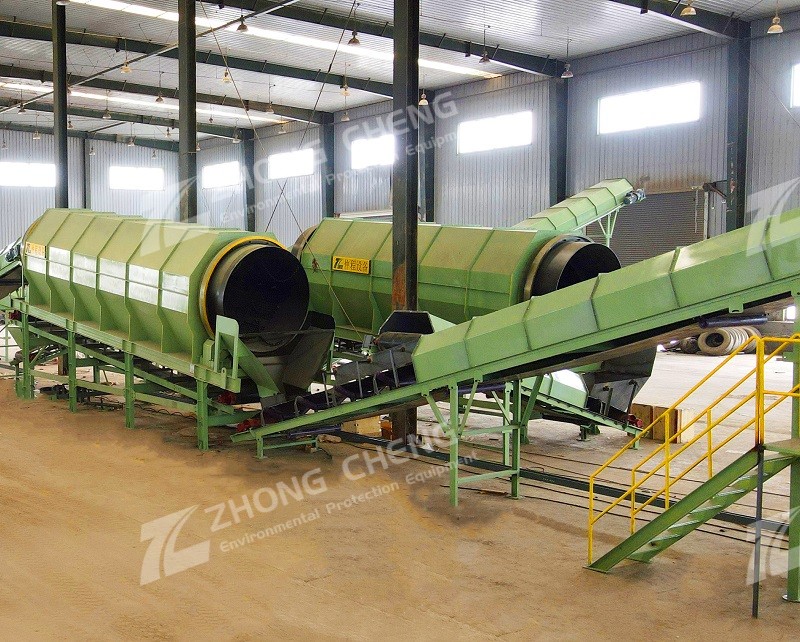
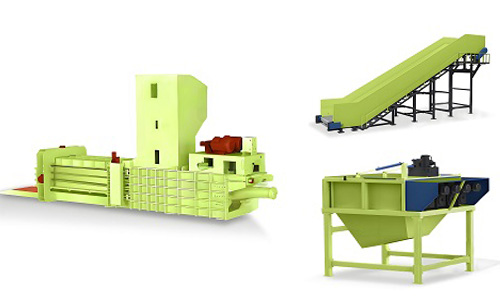
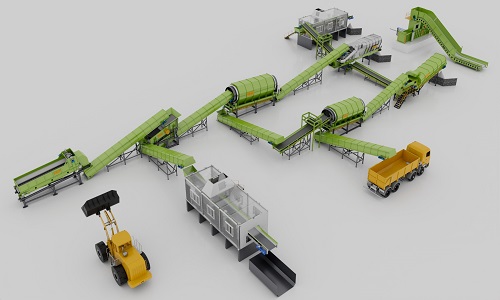
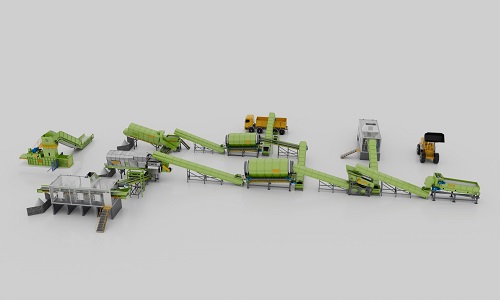
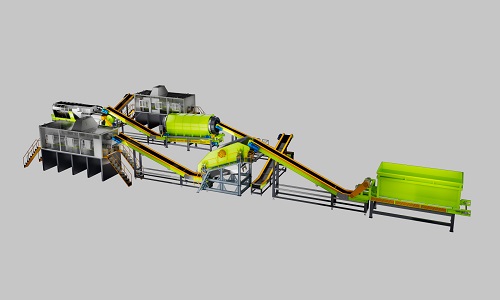
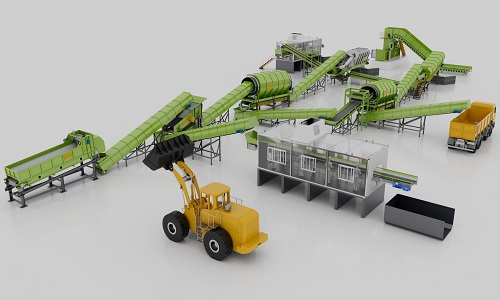
Addressing the characteristics of aged waste—high moisture content (20%-50%), mixed components (humus, plastics, bricks, metals, textiles, etc.), and easy entanglement and clogging—the industry generally adopts a multi-stage screening combination mode. Core equipment covers three main categories: pre-treatment screening, fine screening, and auxiliary sorting. Each type of equipment is specifically designed to address specific screening pain points, ensuring smooth operation and grading accuracy.
1. Bar Screen (Core Pre-treatment Equipment)
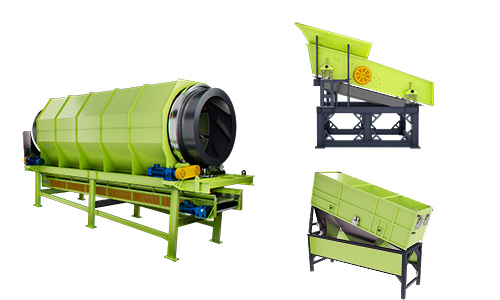
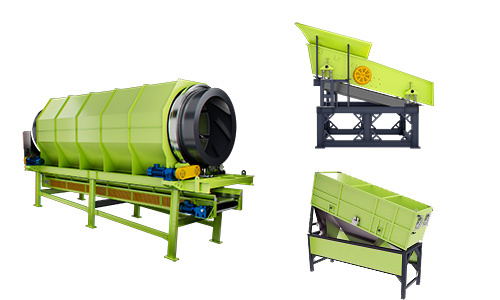
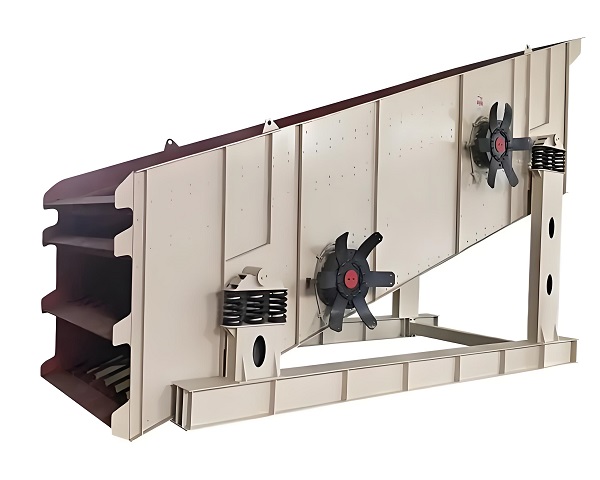
The bar screen is the first stage in aged waste screening, specifically designed for processing large, wet, sticky, and high-impurity materials. It uses high-strength alloy steel parallel bars as the screen surface, and its open structure combined with high-frequency vibration operation provides extremely strong impact resistance and anti-clogging capabilities. During operation, the spacing between the bars can be customized to meet specific needs. It typically intercepts large debris larger than 80mm, such as broken furniture, concrete blocks, and thick tree branches, preventing damage to subsequent precision equipment. Simultaneously, through a vibration-projectile effect, it scrapes away wet, decaying materials adhering to the bar surface, achieving self-cleaning and preventing material blockages and downtime. This equipment has a single-unit processing capacity of 30-250 tons/hour, suitable for the large-scale disposal needs of medium and large landfills, acting as the "gatekeeper" of the screening production line.
2. Shaftless Rotary Cylinder Screen (Core Equipment for Fine Grading)
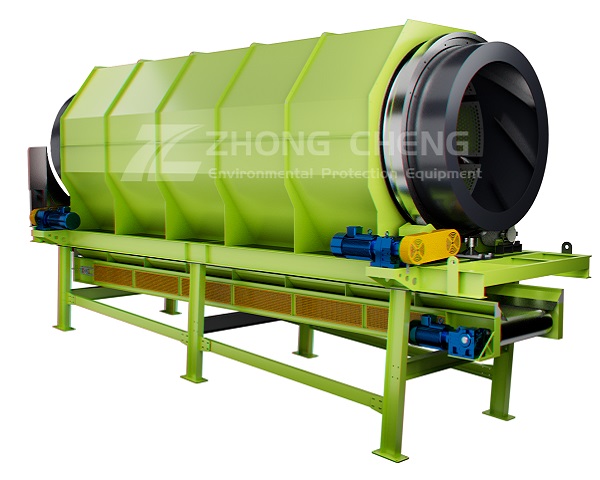
The shaftless rotary cylinder screen is the core component for screening aged waste. It abandons the traditional shafted design, with no central rotating shaft inside the drum, completely solving the problem of lightweight materials such as plastics and fabrics entangled and jammed, perfectly adapting to the screening of complex components. The equipment adopts a segmented, multi-layered screen design. The front section uses a large-aperture screen to initially break up lumps of material, while the rear section uses a small-aperture screen for precise grading. Materials are typically divided into three categories: fine materials (less than 20mm, such as humus and fine sand), medium materials (20-80mm, such as broken bricks, glass, and hard plastics), and coarse materials (greater than 80mm, such as large pieces of plastic, rubber, and fabrics). The screens are made of wear-resistant polyurethane material, combining toughness and wear resistance, which reduces the adhesion of wet, sticky materials. The screening efficiency is consistently above 85%, making it a key piece of equipment for the initial separation of humus, recycled aggregates, and combustibles.
3. Disc Screen (High-Efficiency Alternative Screening Equipment)
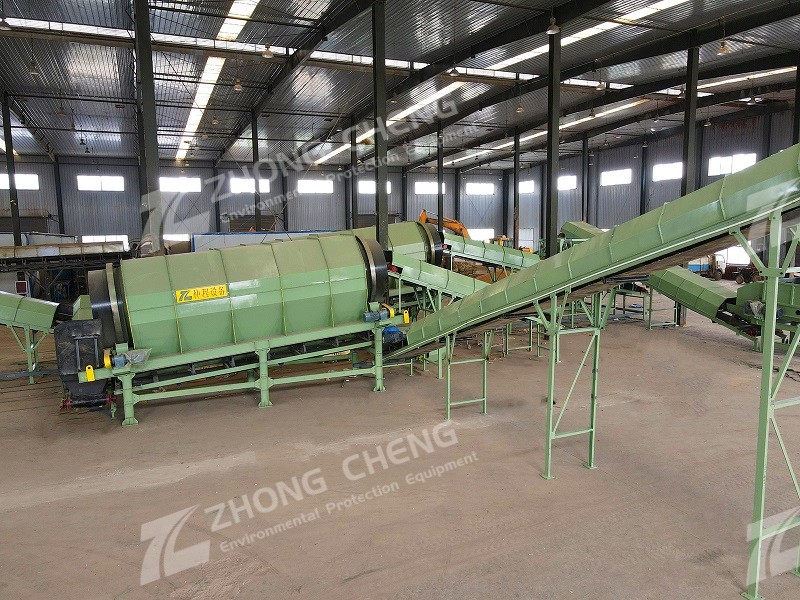
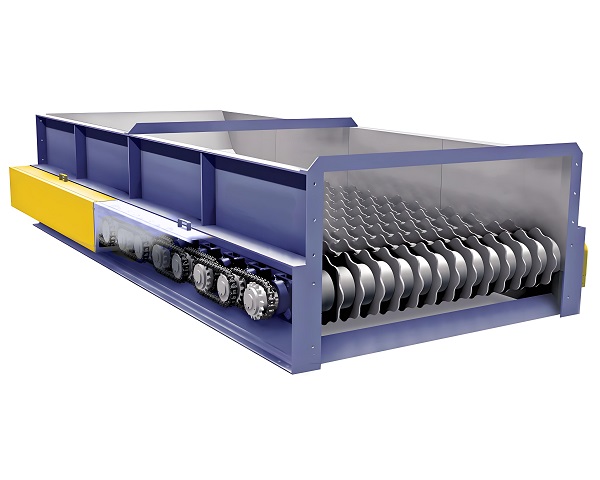
As a new type of screening equipment, the disc screen has been widely used in the disposal of aged waste in recent years. It consists of multiple sets of rotating discs forming the screen surface. Material grading is achieved through the rolling of the discs, combining screening and breaking-up functions. Compared to traditional drum screens, this device offers over three times the processing capacity for the same volume, resulting in higher screening efficiency. It is also highly adaptable to irregularly shaped materials and wet, sticky lumps, and is less prone to material jamming. The disc screen allows for flexible adjustment of the disc gaps, achieving precise particle size classification. It can replace drum screens for fine screening and can also be used in pre-treatment stages, adapting to high-impurity, high-humidity aged waste conditions, significantly increasing the capacity of screening production lines.
4. Sludge Separator (Auxiliary Screening Equipment)
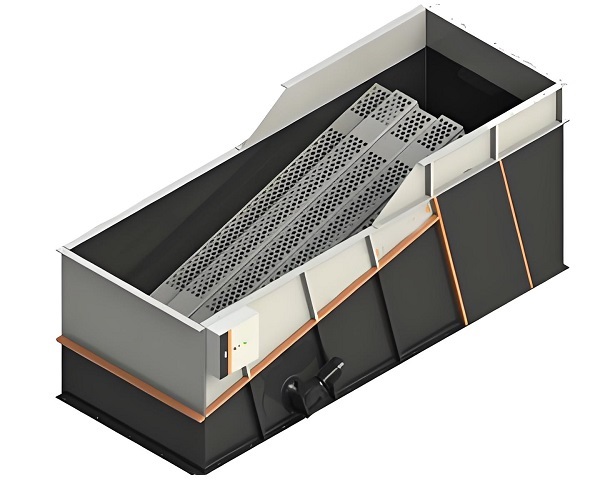
The sludge separator primarily addresses the problem of heavily adhered humus and sand in aged waste. Through high-frequency vibration and multi-stage roller linkage, it thoroughly separates fine powdery humus from sand, gravel, and broken bricks. The equipment employs a special roller structure that breaks up adhered lumps and filters fine soil. The separated clean sand and gravel can be used as aggregate for recycled building materials, and the humus, after harmless treatment, can be used for landscaping and landfill cover, further improving resource utilization and reducing solid waste landfill volume.
5. Supporting Auxiliary Sorting Equipment
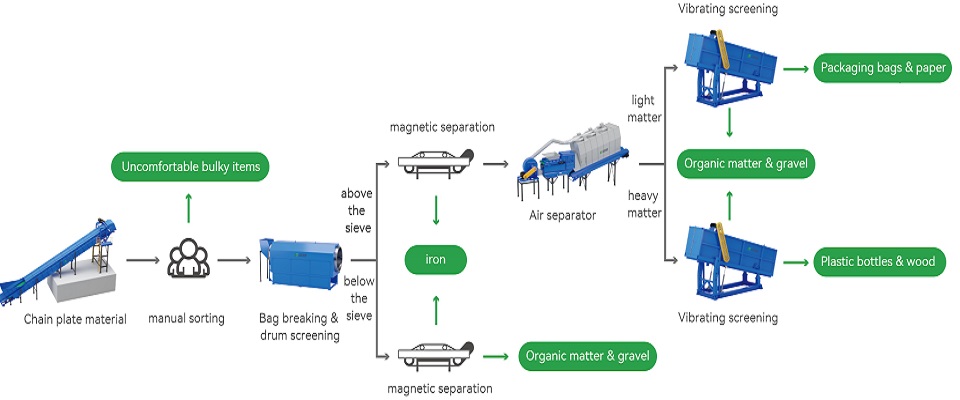
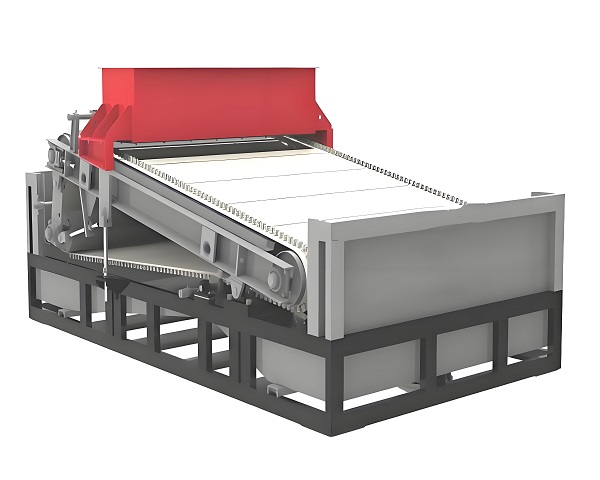
The screening production line needs to be equipped with auxiliary equipment such as magnetic separators and air separators to complete the material sorting closed loop. The magnetic separator, installed at the discharge end of the screening equipment, uses a strong magnetic field to adsorb and separate ferromagnetic materials such as iron nails, iron wires, and scrap steel bars, achieving a recovery rate of over 95%. This not only recovers metal resources but also prevents metal impurities from damaging subsequent equipment. The air separator utilizes the density difference of airflow to separate the screened lightweight materials (plastics, textiles, paper scraps) from the heavy materials (bricks, glass), laying the foundation for subsequent RDF fuel preparation and recycled aggregate processing, achieving full-component fine separation of materials.
II. The Core Role of Aged Waste Screening Machines
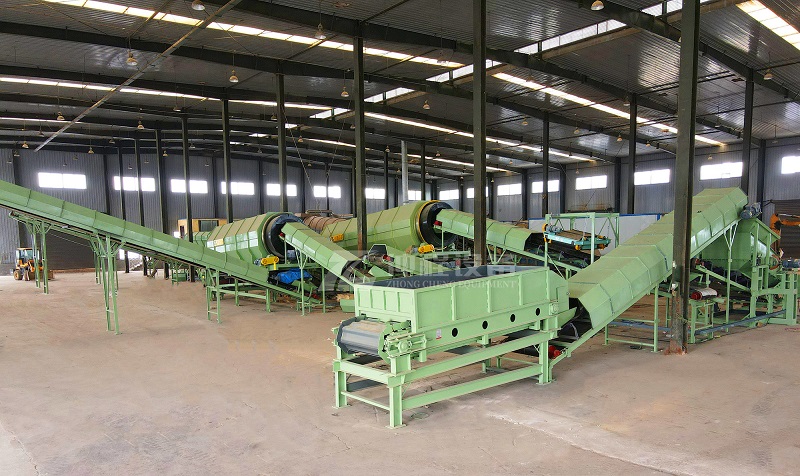
Aged waste screening equipment is not merely a grading tool but a core carrier throughout the entire process of volume reduction, resource recovery, and harmless disposal. Through precise grading, impurity removal, and resource separation, it achieves a unity of environmental, economic, and social benefits. Its specific role is reflected in four dimensions.
1. Achieving Solid Waste Reduction and Freeing Up Land Resources
Aged waste often contains 50%-70% inert fine materials such as humus and fine sand. After precise separation using screening equipment, this portion of material can be directly used for ecological backfilling and landscaping, eliminating the need for re-landfilling. Larger debris, after screening and interception, can be further crushed and sorted, significantly reducing the final landfill volume. Data shows that systematic screening and treatment can reduce the amount of aged waste going to landfills by more than 60%, effectively freeing up landfill space, alleviating the pressure on urban land resources, and reducing landfill operation and maintenance costs and leachate treatment load.
2. Promoting Resource Utilization and Revitalizing Urban Mines
Screening equipment is the "golden key" to the resource utilization of aged waste. Through particle size classification, mixed waste is transformed into usable components: the separated humus, after harmless composting treatment, can be used as nutrient soil for landscaping and as topsoil for mine restoration; inorganic aggregates such as sand, gravel, and broken bricks, after washing and crushing, can be used for road base construction and brick making; recyclable materials such as ferromagnetic metals, plastics, and textiles can be directly recycled and reused after sorting; lightweight combustibles can also be processed into RDF (Regenerative Thermal Power) alternative fuel for incineration power generation. What was originally a worthless garbage mountain is transformed into a recyclable resource pool after screening and treatment, significantly increasing the added value of solid waste.
3. Ensuring Harmless Disposal and Reducing Pollution Risks
Long-term landfilling of aged waste continuously releases foul-smelling gases and leachate, polluting the surrounding ecological environment. Screening equipment can separate easily perishable organic components, heavy metal impurities, and harmful waste, enabling targeted and harmless treatment: Humus, when treated separately, can degrade organic pollutants, preventing secondary fermentation; harmful impurities are collected centrally and disposed of in a standardized manner, reducing the spread of heavy metals and toxic substances. Simultaneously, the screening process employs a fully enclosed, spray-dust-suppression design, effectively controlling dust and odor emissions, improving the working environment, reducing the risk of pollution to surrounding soil, water bodies, and the atmosphere, and strengthening the ecological security defense line.
4. Optimizing Subsequent Disposal Processes and Improving Overall Efficiency
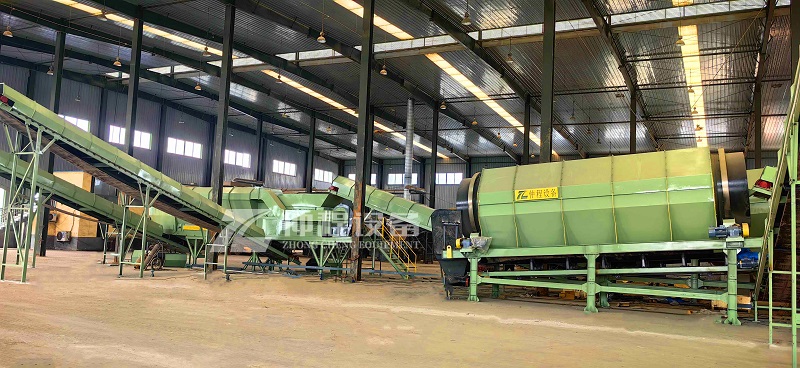
Unscreened, aged waste components are mixed; direct crushing, sorting, and incineration can easily lead to equipment jamming, severe wear, and low disposal efficiency. Screening equipment pre-classifies materials, allowing materials of different particle sizes and properties to enter their corresponding disposal stages: fine materials are directly utilized as resources, medium materials are finely sorted, and coarse materials are crushed before further processing, achieving "graded disposal, each performing its specific function." This equipment reduces subsequent equipment wear and maintenance costs, improves overall processing efficiency, shortens the processing cycle, ensures continuous and stable operation of the production line, and is suitable for large-scale aged waste treatment projects.
Aged waste screening equipment is the core equipment for solving the problem of existing waste treatment. Main equipment such as bar screens, shaftless drum screens, and disc screens, combined with auxiliary equipment such as magnetic separators and air separators, form a professional screening system suitable for wet, sticky, and complex materials. These devices not only achieve precise grading of aged waste but also undertake multiple missions of volume reduction, resource recovery, and harmless treatment. They address the environmental hazards of landfilling while revitalizing the value of solid waste resources. With increasingly stringent environmental requirements, screening equipment is upgrading towards intelligence, high efficiency, and low consumption, further promoting the improvement of aged waste treatment quality and efficiency, contributing to the construction of urban solid waste recycling systems, and achieving a win-win situation for ecological protection and economic development.

 Phone: +86 187 3819 4110
 E-mail: sales@zchmachinery.com
 Address: 36 xueyuan road, Zhengzhou City, Henan Province, China.


© 2025 ZhongCheng ECO
Technical support: Beijing Century Network