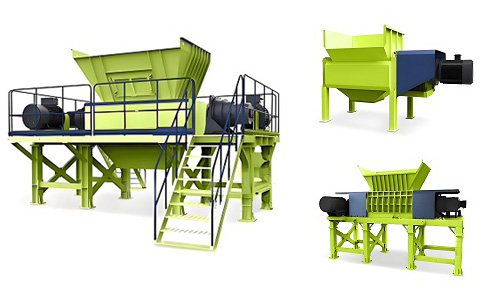
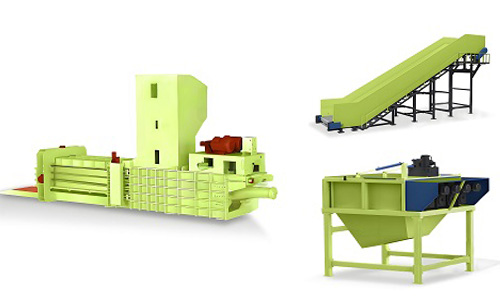
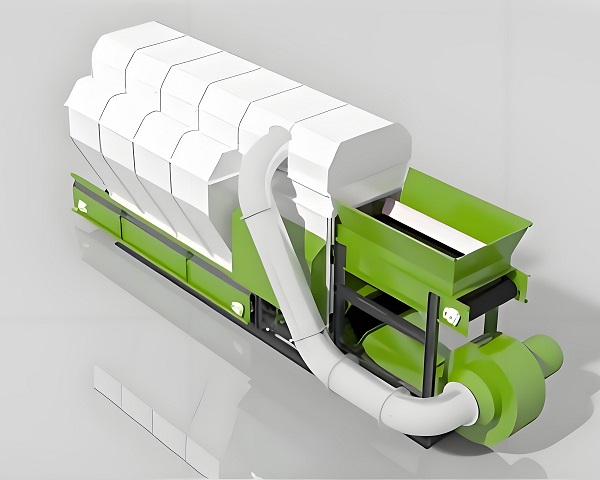
Focus on the latest trends in the field of solid waste treatment, deeply analyze the technological innovation and application of screening equipment, and share multi-scenario screening solutions, successful cases and process optimization experience.
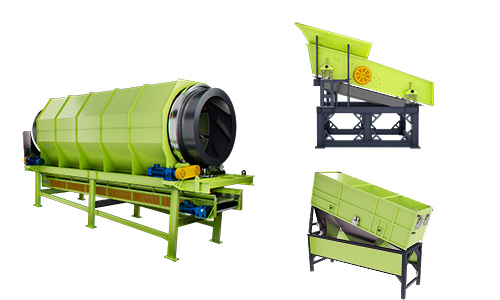
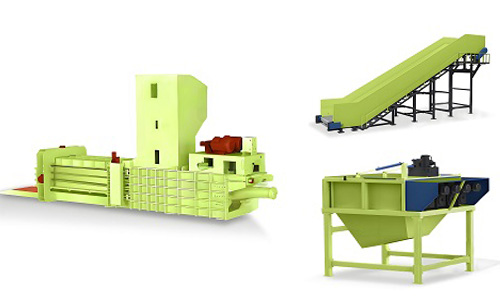
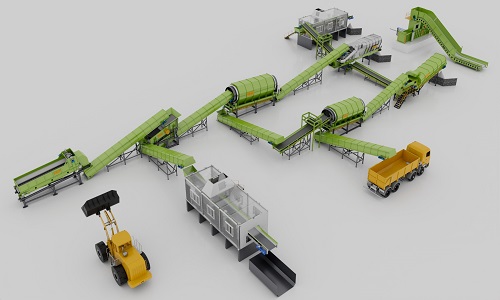
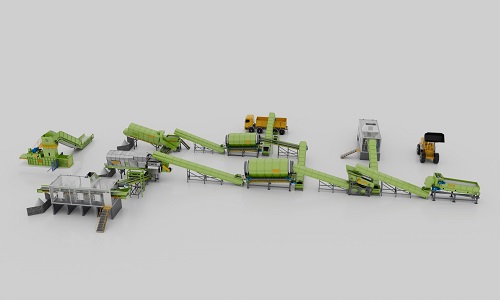
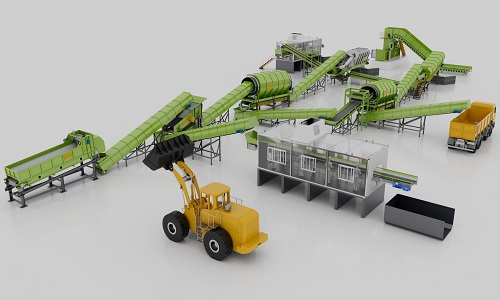
Aged waste refers to the stockpiled waste that has been sealed in landfills for many years, with mixed components and varying degrees of degradation. This type of waste has high moisture content, strong viscosity, and numerous impurities. Traditional treatment methods are prone to issues such as material blockage, inefficient sorting, and secondary pollution. As the core equipment for managing stockpiled waste, aged waste screening equipment specifically addresses disposal challenges and possesses multiple advantages such as strong adaptability, high efficiency and stability, intelligence, and environmental friendliness. It can not only achieve fine-grained waste classification but also promote reduction, harmlessness, and resource recovery disposal. It plays an irreplaceable role in urban and rural ecological restoration and solid waste recycling.
A. Core characteristics of outdated waste screening equipment
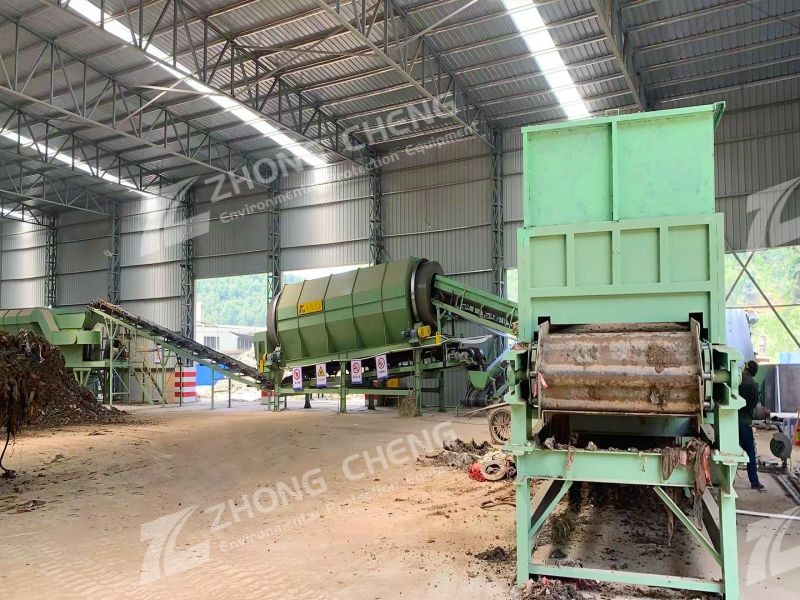
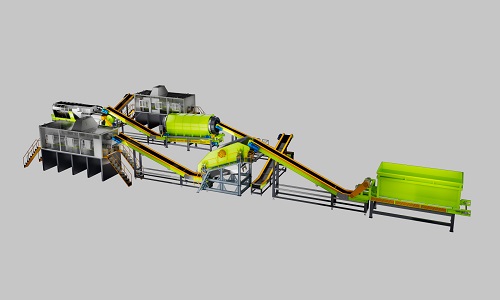
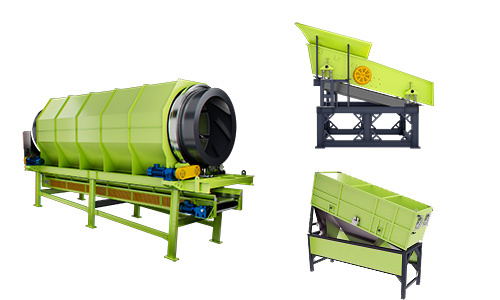
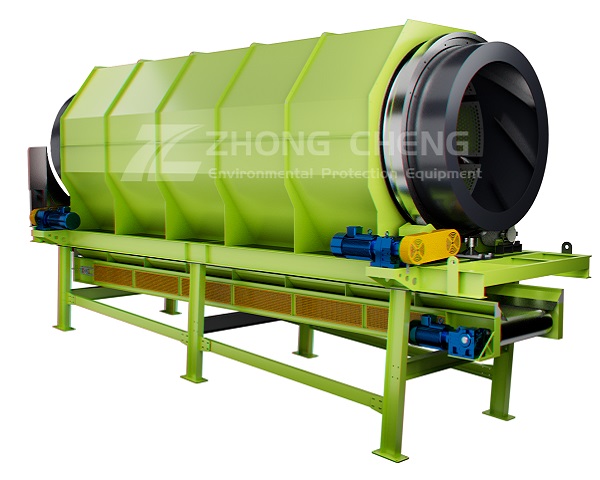
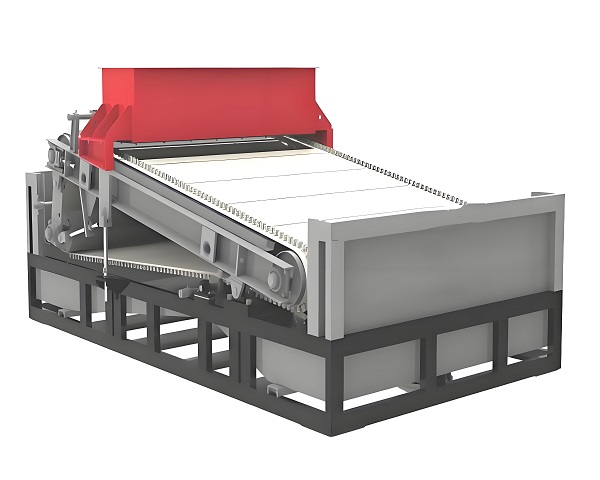
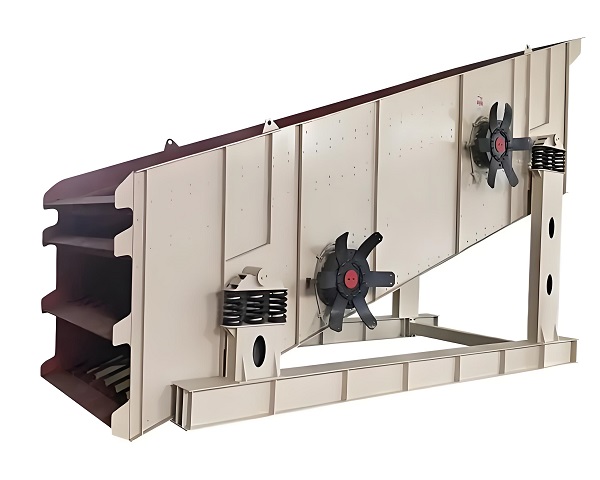
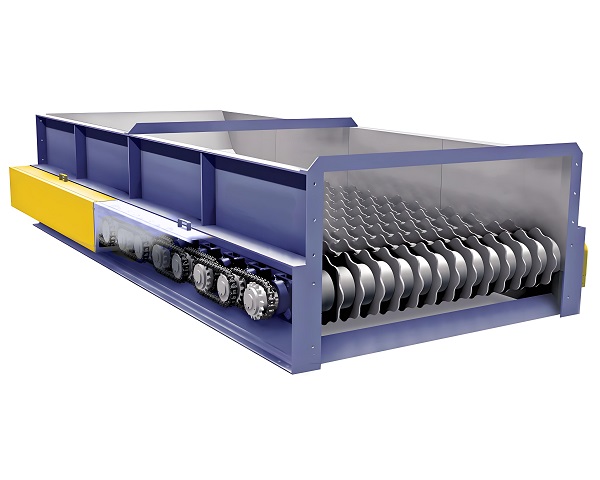
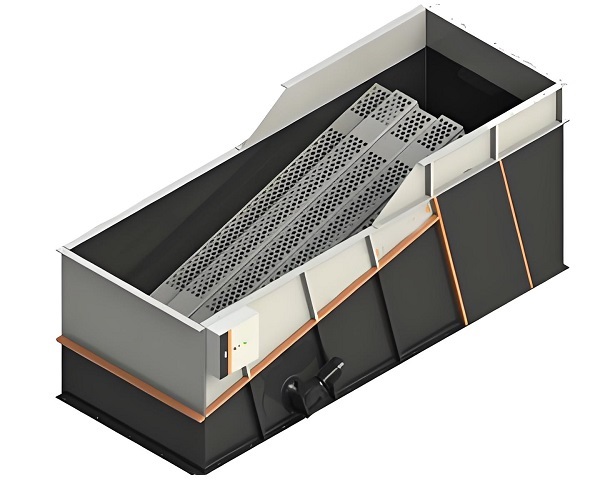
1. Highly adaptable materials, addressing the pain points of wet and sticky waste disposal. Obsolete waste generally has high moisture content and is prone to clumping and sticking, making ordinary screening equipment prone to screen hole blockage and material jamming, leading to downtime. These devices have been specifically optimized for screening structures, with mainstream models adopting a combination design of relaxation screens, double-layer bar screens, and roller screens, paired with a flexible polyurethane screen surface at the bottom. Through dynamic relaxation movements, high acceleration is generated, which can not only thoroughly loosen clumped materials but also achieve self-cleaning of the screen surface, eliminating blockage issues at their source. At the same time, the equipment can flexibly adjust the screen hole specifications and vibration frequency, adapting to materials with a mix of impurities such as bricks, tiles, stones, humus, plastic, metal, and fabric. Whether it is coarse and bulky waste or fine and sticky residue, it can be efficiently screened, suitable for various complex operational scenarios such as landfills and stockpile sites.
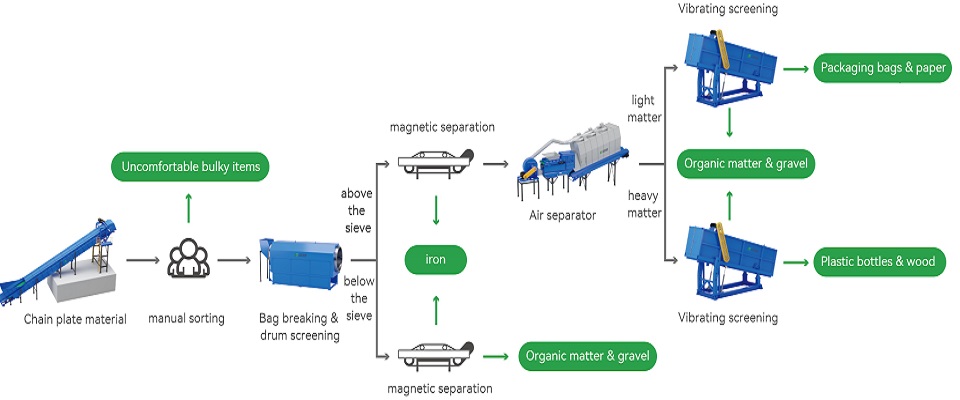
2. High screening efficiency and outstanding classification accuracy. The equipment adopts multi-stage screening and stepped sorting processes, combined with auxiliary technologies such as magnetic separation and air separation, to achieve refined classification of aged waste according to particle size and material. The separation efficiency can reach over 90%. The single machine processing capacity covers 30-250 tons/hour, which can not only meet the disposal needs of small and medium-sized waste removal points but also adapt to large-scale treatment operations in large landfills. Compared with manual sorting and traditional simple equipment, its classification accuracy is greatly improved, allowing precise separation of materials such as humus soil, light combustibles, heavy inorganic matter, and scrap metal, avoiding material mixing and laying a solid foundation for subsequent resource utilization, effectively reducing the difficulty and cost of subsequent disposal.
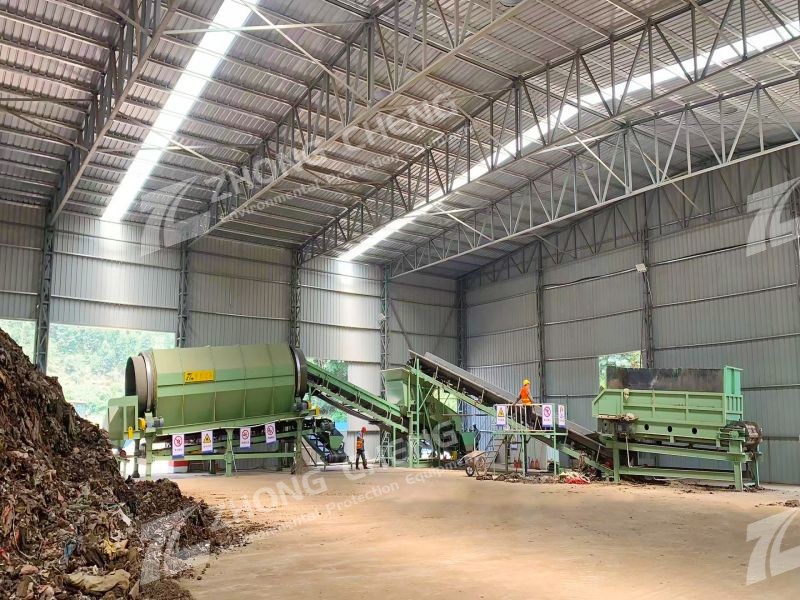
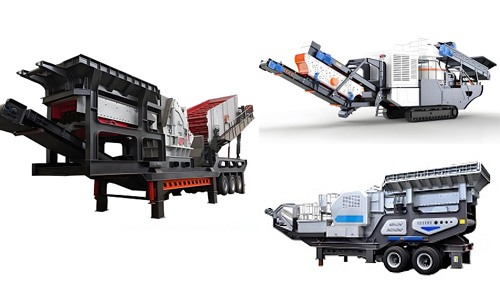
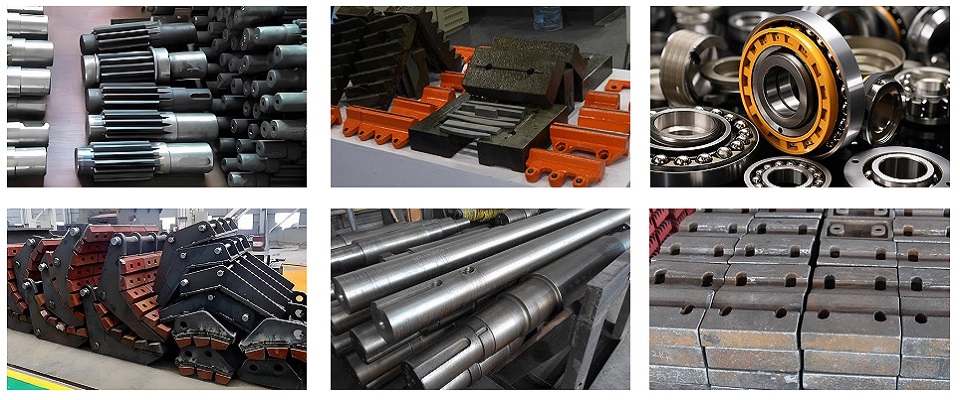
3. Stable and durable operation, controllable operation and maintenance costs. The core components of the equipment are made of wear-resistant and corrosion-resistant materials, and the vulnerable parts such as the screen surface and transmission device have undergone special process treatment, adapting to the disposal environment with strong corrosion of aged waste and hard impurities, and the service life is far longer than that of ordinary screening equipment. The entire machine adopts a modular design, with a compact structure and convenient disassembly and assembly. Some mobile models do not require infrastructure construction, can be quickly deployed and put into production, and are suitable for temporary emergency disposal, off-site transfer and treatment, and other scenarios. At the same time, the equipment is equipped with anti-clogging and overload protection devices, with a low operation failure rate. Coupled with automated feeding and discharging systems, there is no need for a large number of manual attendance, which can not only reduce labor costs but also reduce the safety hazards caused by manual operation, and the operation and maintenance process is simple and efficient.
4. Intelligent environmental protection, meeting green disposal requirements. Modernized old waste screening equipment is equipped with a PLC intelligent central control system, and some models are equipped with industrial cameras, which can monitor the screening process and material status in real time, automatically adjust operating parameters, further optimize screening effects, and reduce the probability of blockage. The equipment is equipped with enclosed dust prevention and deodorization spray devices, which effectively suppress dust diffusion and odor dispersion during the screening process, avoiding secondary pollution and meeting environmental operation standards. The entire process is mechanized, with no illegal discharge of wastewater or waste residue, truly achieving green and harmless disposal while balancing operational efficiency and ecological protection.
B. Core function of old and worn-out waste screening equipment
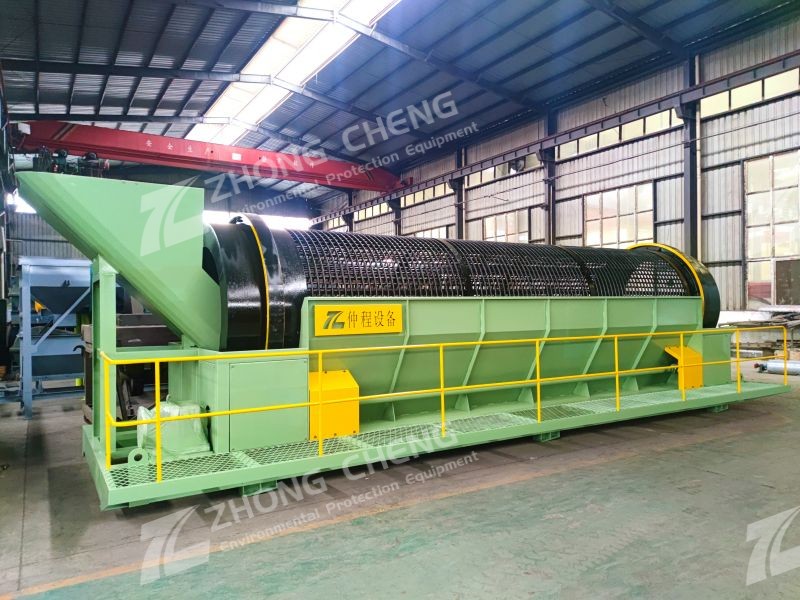
1. Achieve waste reduction and free up land resources. Landfilling of aged waste occupies a large amount of land resources, and the continuous accumulation of stock exacerbates the land shortage problem. Screening equipment, through fine sorting, removes inert inorganic materials such as bricks, tiles, and stones, and separates recyclable materials, significantly reducing the amount of waste for landfilling. After disposal, some landfills can recover more than 70% of their storage capacity. This not only alleviates the dilemma of garbage encroaching on cities but also revitalizes idle landfill sites, freeing up space for urban construction and ecological restoration. It resolves the contradiction between land resources and waste disposal, and promotes efficient use of urban and rural land.
2. Promote the harmless disposal of waste to eliminate environmental hazards. Long-term accumulation of stale waste can easily breed bacteria, leak leachate, and pollute soil, groundwater, and surrounding air, posing threats to the ecological environment and residents' health. Screening equipment thoroughly sorts waste, separating perishable organic matter and harmful impurities, blocking the spread of pollutants. Coupled with subsequent harmless disposal processes, it eliminates pollution sources in landfills and improves the surrounding ecological environment. At the same time, the environmentally friendly design of the equipment prevents secondary pollution during the screening process, comprehensively strengthening the ecological defense line and achieving the harmless transformation of waste disposal.
3. Exploiting Resource Value and Facilitating Resource-Based Recycling. Outdated waste is not completely worthless. After being finely graded by screening equipment, various materials can be turned into treasure. The humus soil sieved out can be purified and used as high-quality organic soil for landscaping and soil improvement; light combustibles can be processed into waste-derived fuel for incineration power generation; recyclables such as scrap metal and plastic can be directly recycled and reused; heavy inorganic materials can be used for roadbed backfilling and building material production. The equipment breaks the disposal mode of "just burying" outdated waste, maximizes the resource utilization value, promotes the transformation of solid waste disposal from end-of-pipe landfill to recycling, and aligns with the development concept of low-carbon environmental protection and resource recycling.
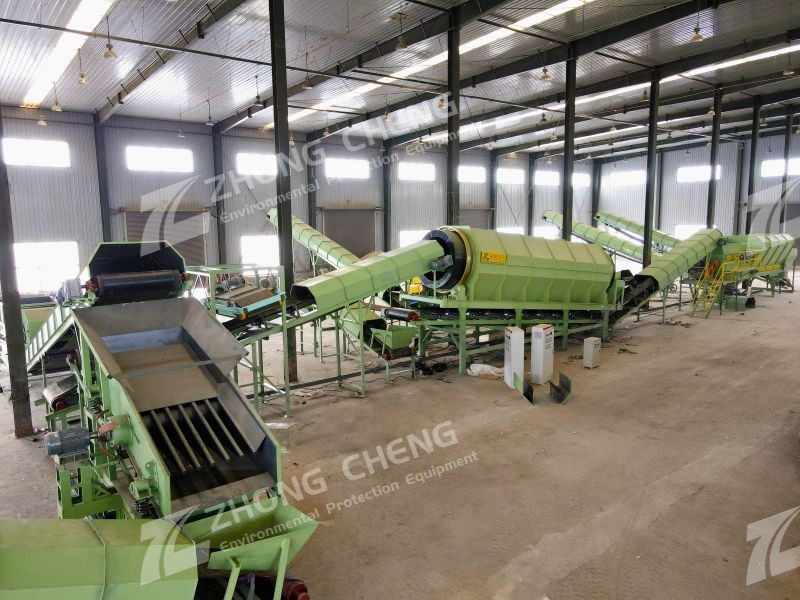
4. Optimize disposal processes and enhance industry governance standards. Traditional disposal processes for aged waste are chaotic and inefficient. Screening equipment, as the core front-end equipment, integrates sorting and pre-treatment functions, simplifying subsequent disposal procedures and making waste incineration, landfill, and resource utilization more targeted. The large-scale application of this equipment can promote the standardization and normalization of stock waste management, enhance the overall efficiency of urban and rural solid waste disposal industries, and assist in building a full-chain waste management system that is "reduced, harmless, and resourceful," providing solid equipment support for sustainable ecological development.
The aged waste screening equipment, with its unique performance advantages, precisely meets the disposal needs of existing waste, combining practical and ecological value. It is a key equipment for solving the problem of aged waste management and promoting green and low-carbon development. As environmental protection requirements continue to increase, the technological iteration and popularization of this equipment will further enhance the quality and efficiency of urban and rural solid waste management. While protecting the ecological environment, it will also achieve a win-win situation of resource recycling.

 Phone: +86 187 3819 4110
 E-mail: sales@zchmachinery.com
 Address: 36 xueyuan road, Zhengzhou City, Henan Province, China.


© 2025 ZhongCheng ECO
Technical support: Beijing Century Network