Shares the latest waste recycling machines, production lines, and technical solutions.
 Home > Blogs > Waste Recycling
With the acceleration of urbanization, the amount of household waste generated is increasing day by day, and how to effectively deal with this waste has become a global issue. The traditional landfill method not only occupies a large amount of land resources, but also may cause long-term pollution to the environment. Therefore, the research and application of landfill waste sorting equipment is particularly important. It can not only improve the recycling rate of resources, but also reduce environmental pollution. It is the key to achieving harmless, reduced and resourceful waste treatment.
Understanding the latest environmental technologies and policy developments is necessary for each of us. Whether as individuals or businesses, we should actively participate in the action of garbage classification and resource recycling, and contribute to protecting the earth that we rely on for survival. The continuous development of landfill waste sorting equipment is an important step towards our green future.
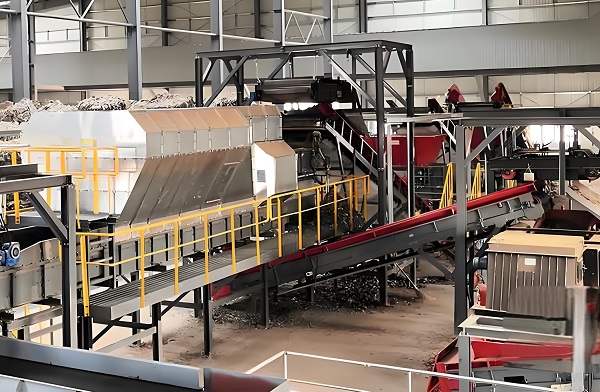
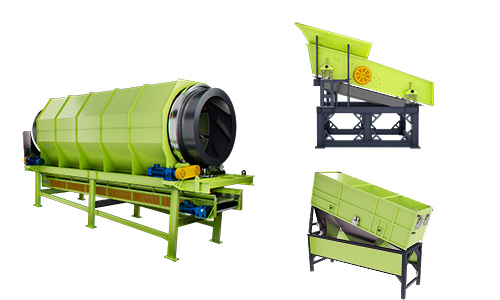
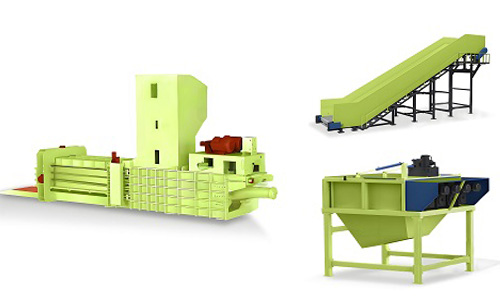
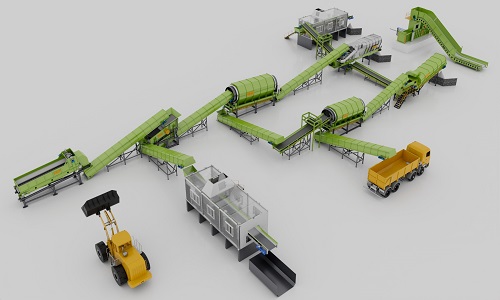
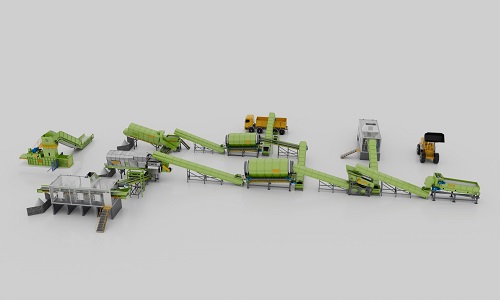
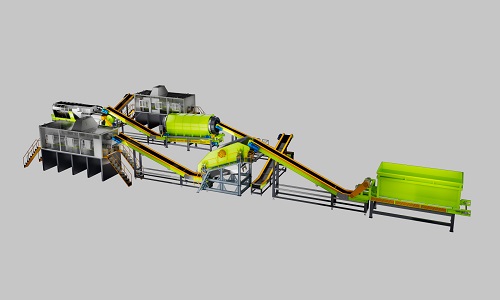
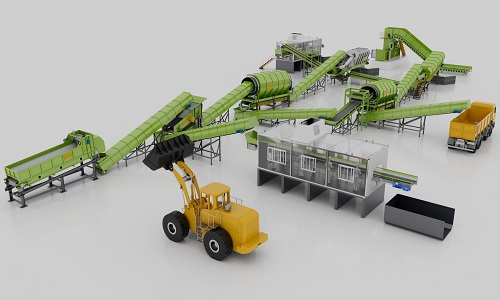
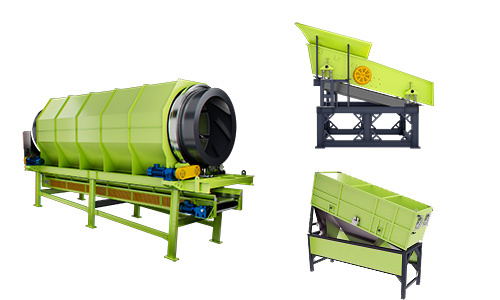
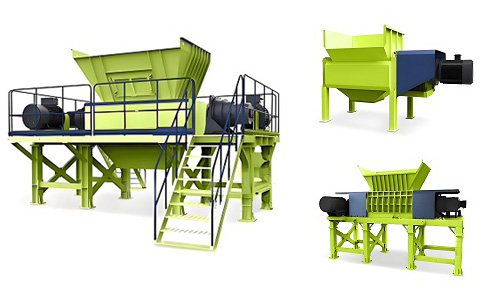
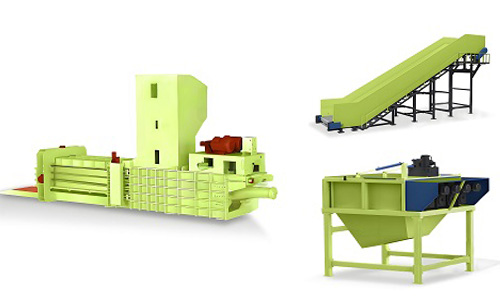
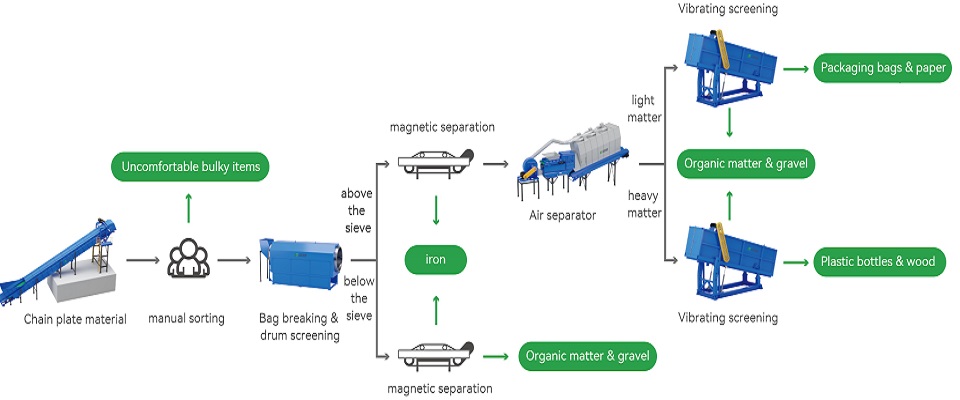
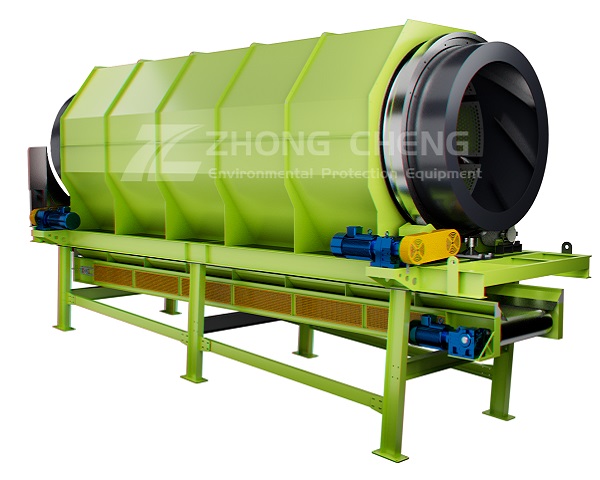
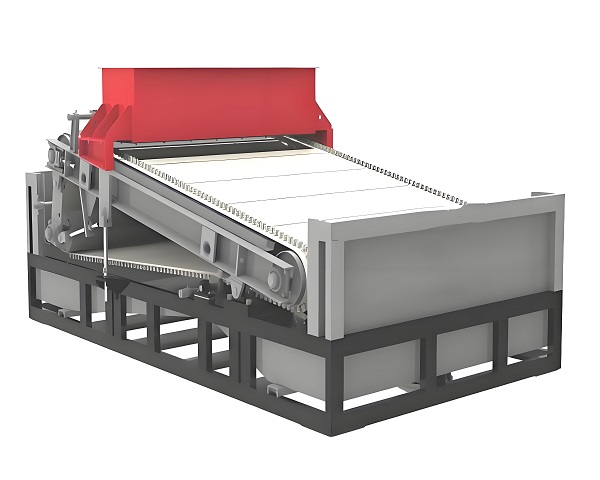
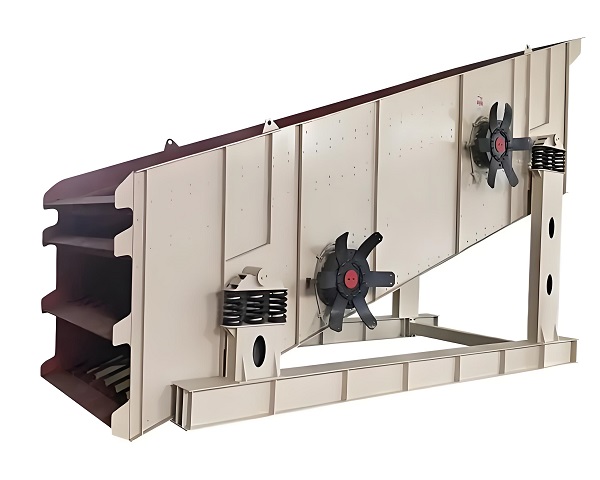
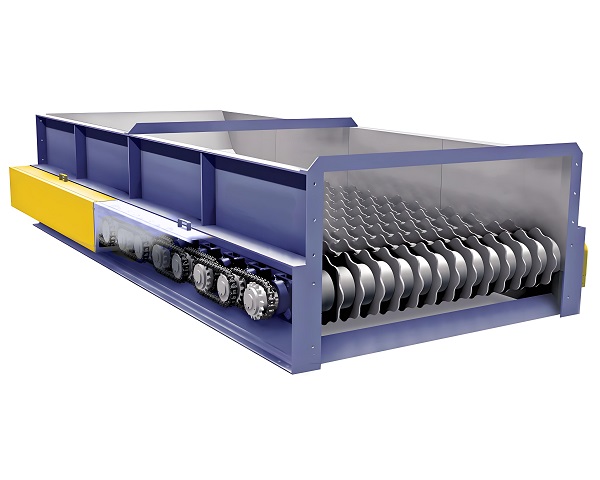
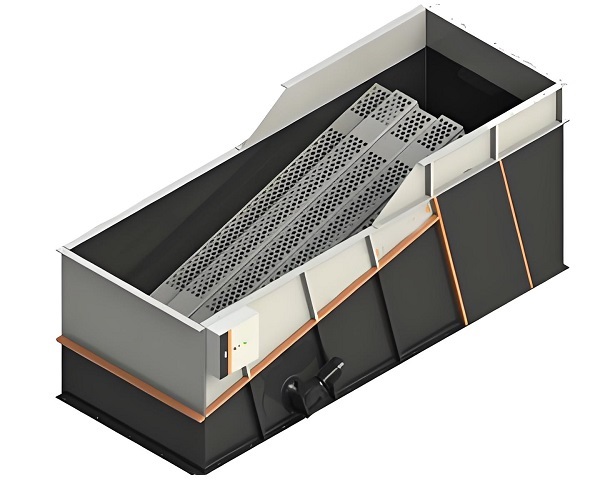
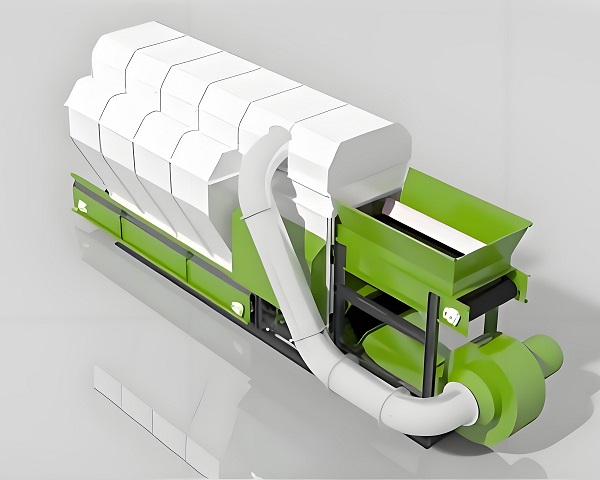
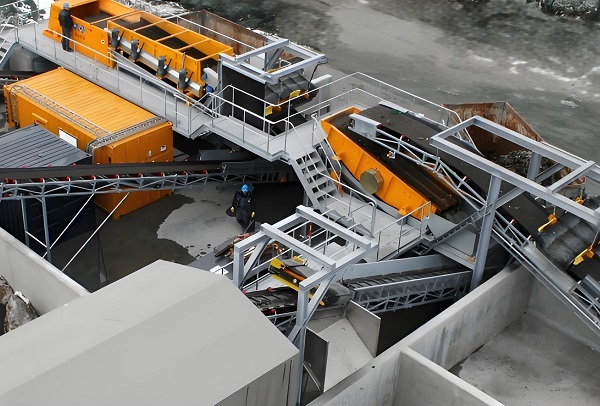
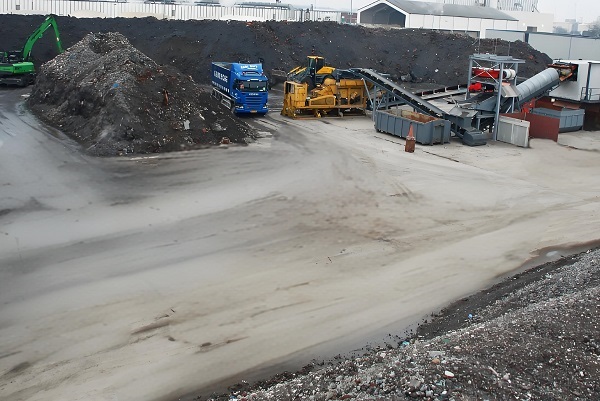
Landfill waste sorting equipment mainly uses mechanization and automation technology to classify garbage, separating recyclables, organic substances, inorganic substances, etc. for subsequent processing and utilization. These devices typically include various types such as screening machines, air separators, magnetic separators, gravity separators, etc., which can effectively sort waste based on its physical characteristics.
In practical applications, the efficiency and accuracy of landfill waste sorting equipment are crucial. Efficient sorting equipment can process large amounts of garbage in a short period of time, reducing labor and time costs. Meanwhile, accurate sorting results can ensure the maximum recycling of resources, such as the reuse of recyclable materials such as plastics, metals, and paper, as well as the composting of organic matter.
Landfill, as the most widely used terminal waste disposal technology globally, plays an important role in the process of urbanization. However, the traditional landfill mode has problems such as large land occupation, severe leachate pollution, and low utilization rate of biogas, which are driving the industry to transform towards "high efficiency, environmental protection, and resource utilization". One of the core driving forces behind this transformation is equipment innovation - from simple mechanical operations to intelligent system integration, landfill equipment is undergoing comprehensive upgrades. At the same time, challenges such as technological bottlenecks and cost pressures have emerged, and how to break through these difficulties in innovation has become a key proposition for industry development.
1.The Innovation Process and Core Direction of Landfill Equipment
In the early days, the main mode of landfill was "open-air stacking+simple compaction", and the equipment was mostly general-purpose engineering machinery, such as loaders, bulldozers, etc., with low operational efficiency and lack of environmental performance. With increasingly strict environmental regulations, the renovation of landfill equipment is gradually focusing on three core directions: reducing capacity and increasing efficiency, pollution prevention and control, and resource recycling. This transformation was not achieved overnight, but went through a process of upgrading from a single device to a system collaborative innovation, forming a full chain equipment system covering garbage reception, landfill operations, pollution control, and resource utilization.
In terms of reducing capacity and increasing efficiency, the core requirement is to upgrade equipment to enhance the garbage carrying capacity of the landfill space and extend the service life of the landfill site. The compaction density of traditional bulldozers is only 0.8-1.0 tons/cubic meter, while the emergence of specialized garbage compactors has raised this indicator to 1.2-1.5 tons/cubic meter, and some advanced equipment can even reach 1.8 tons/cubic meter. In the field of pollution prevention and control, equipment innovation revolves around the two major pollutants of leachate and landfill gas, shifting from "passive collection" to "active treatment", such as the popularization of leachate reverse osmosis treatment equipment, landfill gas flares, and power generation systems. Resource recycling has been a key focus of innovation in recent years, using intelligent sorting equipment to separate recyclable materials from landfill waste in advance, achieving a refined operation mode of "classification first, landfill later".
2. Key Equipment Innovation: From Homework Tools to Intelligent Units
The innovation of landfill equipment does not exist in isolation, but has formed a collaborative equipment cluster, among which the upgrading of compaction equipment, pollution control equipment, and intelligent sorting equipment is the most representative, becoming the "three horses" driving the transformation of landfills.
Garbage compaction equipment is the core operational equipment of landfills, and its innovation is mainly reflected in "specialization, large-scale, and intelligence". Early general-purpose bulldozers were prone to problems such as garbage adhesion and uneven compaction due to unreasonable track design. The dedicated garbage compactor adopts a "diamond shaped convex block track" design, with a larger ground contact area for the track. The convex block can penetrate deep into the garbage gap to achieve deep compaction, and is equipped with a hydraulic buffer system to reduce the loss of equipment caused by operational vibration. The XC938 garbage compactor from XCMG is equipped with an intelligent load adjustment system that can automatically adjust the compaction force according to the type of garbage, resulting in a 40% increase in operational efficiency compared to traditional equipment. Some high-end devices also integrate GPS positioning and operation data collection functions, realizing visualization of compaction trajectory and accurate statistics of operation volume, providing data support for digital management of landfills.
The innovation of pollution control equipment has broken the traditional pattern of "heavy landfilling, light treatment" in landfills, especially the upgrading of leachate treatment and landfill gas utilization equipment has achieved significant results. Traditional leachate treatment relies on simple biochemical tanks, which have low treatment efficiency and difficulty in meeting effluent standards. The new generation of leachate treatment equipment adopts a combination process of "pretreatment+MBR (membrane bioreactor)+NF (nanofiltration)+RO (reverse osmosis)", in which the anti pollution ability of MBR membrane components is three times higher than that of traditional membranes, and the desalination rate of RO system can reach more than 99%, ensuring that the effluent meets the direct discharge requirements of the "Pollution Control Standards for Landfills" (GB16889-2008). In terms of landfill gas utilization, the equipment has been upgraded from early torch combustion to an integrated system of "collection purification power generation". After desulfurization, dehydration, and pressurization treatment, the landfill gas is sent to a gas internal combustion engine for power generation. A set of landfill supporting equipment that can process 500 tons of garbage per day can generate more than 1 million kilowatt hours of electricity per year, achieving a win-win situation of environmental and economic benefits.
The introduction of intelligent sorting equipment has promoted the transformation of landfills towards "resource oriented" approach, changing the traditional mode of direct landfill of waste. This type of equipment integrates multiple technologies such as infrared spectroscopy recognition, magnetic separation, and air separation, which can accurately separate recyclable materials such as metals, plastics, and paper from garbage. The intelligent sorting system introduced by a certain landfill uses CCD image recognition technology to identify plastic materials, which are then accurately separated by pneumatic sorting valves, resulting in a plastic recovery rate of over 90%; The supporting magnetic separation equipment can increase the purity of waste metal separation to 98%, significantly reducing the proportion of recyclable resources in landfill waste. The application of intelligent sorting equipment has gradually transformed landfills from "garbage disposal sites" to "resource transfer stations", providing support for the development of circular economy.
3.The real challenges behind equipment innovation
Although significant achievements have been made in the innovation of landfill equipment, there are still three core challenges in practical promotion and application: technology, cost, and operation and maintenance. These challenges have become the "roadblocks" that restrict the implementation of equipment innovation.
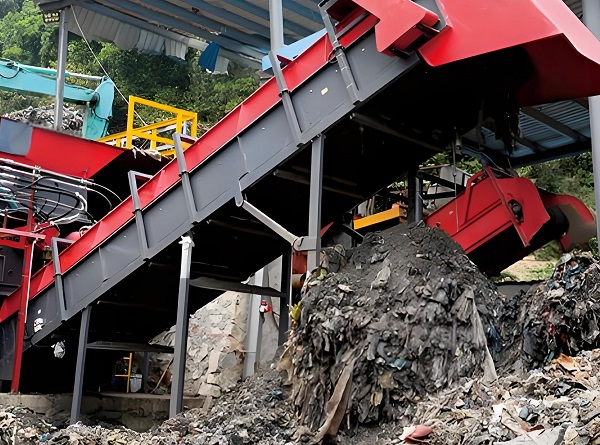
The technical bottleneck is mainly reflected in two aspects: insufficient capacity for complex waste treatment and poor equipment compatibility. The composition of garbage in our country is complex, with a high proportion of kitchen waste and high moisture content, which can easily lead to problems such as slipping of compaction equipment tracks and blockage of sorting equipment. At present, the recognition accuracy of mainstream intelligent sorting equipment for wet garbage is only about 70%, which is difficult to meet the requirements of complex working conditions; Some leachate treatment equipment is prone to membrane fouling and decreased treatment efficiency when treating high salt and high ammonia nitrogen leachate, and needs to rely on imported chemicals to maintain operation. Technical autonomy needs to be improved. At the same time, there is a lack of unified data interfaces between different brands and types of equipment, such as the inability to share real-time operation data of compaction machines and leachate treatment equipment, which makes it difficult for landfills to form an integrated intelligent control system and restricts the synergy of equipment.
Cost pressure is the main obstacle to equipment innovation in small and medium-sized landfills. The purchase cost of advanced equipment is high, and a complete intelligent sorting and compaction equipment system requires millions of yuan in investment. The single ton processing cost of leachate deep treatment equipment is 30% -50% higher than that of traditional equipment. For small and medium-sized landfills in economically underdeveloped areas, financial pressure makes it difficult for them to afford equipment upgrade costs. In addition, the cost of equipment operation and maintenance cannot be ignored - vulnerable components such as the tracks of specialized compaction machines and membrane components of sorting equipment need to be replaced regularly, and the cost and cycle of replacing imported components further increase the burden of operation and maintenance. Some landfills are unable to bear the continuous operation and maintenance costs, resulting in advanced equipment being "idle and unused" and becoming "decorations".
The shortage of operation and maintenance talents has become a "soft constraint" for the implementation of equipment innovation. The new generation of landfill equipment integrates technologies from multiple fields such as machinery, electronics, automation, and environmental protection, greatly improving the professional competence requirements for operators. However, currently, the majority of landfill workers in China are traditional construction machinery operators, lacking the ability to maintain and operate intelligent equipment. Taking the landfill gas power generation system as an example, its operation and maintenance require mastery of operational skills for multiple systems such as gas internal combustion engines, generators, and desulfurization equipment. However, less than 30% of the existing employees have relevant qualifications, resulting in delayed response to equipment failures and affecting operational stability. The lagging talent cultivation system makes it difficult to fully utilize the technological advantages of advanced equipment.
4.The Path to Breakthrough Challenges and Development Prospects
In the face of challenges in equipment innovation, it is necessary to work together from three dimensions: technology research and development, policy support, and talent cultivation, to build a development system of "technology leadership, policy guarantee, and talent support", and promote the deepening development of landfill equipment innovation.
In terms of technological research and development, we should focus on localization needs and break through core technological bottlenecks. On the one hand, in response to the complex composition of garbage in China, more adaptable equipment such as wear-resistant and anti adhesion compactor track materials, and high-precision wet garbage identification and sorting technology should be developed; On the other hand, strengthening equipment standardization and modular design, establishing a unified data communication interface, realizing interconnection and intercommunication between different devices, and building an intelligent landfill control platform. At the same time, encourage enterprises to cooperate with universities and research institutions, promote the integration of industry, academia and research, improve the localization rate of equipment core components, and reduce dependence on imported technology.
Policy support and market guidance are the key to breaking cost pressures. The government can reduce the cost of upgrading equipment for small and medium-sized landfills through policies such as financial subsidies and tax reductions. For example, a 30% purchase subsidy can be given to enterprises that purchase environmental protection equipment, and electricity price subsidies can be implemented for landfill gas power generation projects. At the same time, establish a dynamic adjustment mechanism for garbage disposal fees, reasonably include equipment upgrade costs in the garbage disposal fees, and form a virtuous mechanism of "whoever generates garbage bears the cost". In addition, encourage social capital to participate in the operation of landfill equipment, introduce professional operation and maintenance enterprises through PPP mode, and reduce the operation and maintenance pressure of landfills.
Talent cultivation requires the establishment of a training system that combines school enterprise cooperation and job certification integration. Landfills should cooperate with vocational colleges to offer specialized courses in the operation and maintenance of waste treatment equipment, and cultivate professional talents in a targeted manner; At the same time, equipment companies should provide comprehensive after-sales service and technical training, such as regularly organizing operators for practical training on equipment operation, troubleshooting, etc., issuing vocational skill certificates, and enhancing the professional abilities of employees.
Looking ahead, with the advancement of the "dual carbon" target and the continuous tightening of environmental regulations, the innovation of landfill equipment will usher in new development opportunities. Intelligence, resource utilization, and low carbonization will become the mainstream direction of equipment innovation - intelligent robots may replace manual labor to complete high-risk landfill operations, the collaborative power generation system of landfill gas, photovoltaic, and wind power will achieve energy cascade utilization, and the combination of bioreactor landfill technology and equipment will further improve the efficiency of garbage degradation. Although challenges still exist, through the dual efforts of technological breakthroughs and policy guarantees, the innovation of landfill equipment will undoubtedly promote the development of the waste treatment industry towards a more efficient, environmentally friendly, and sustainable direction, providing solid support for the construction of a "waste free city".
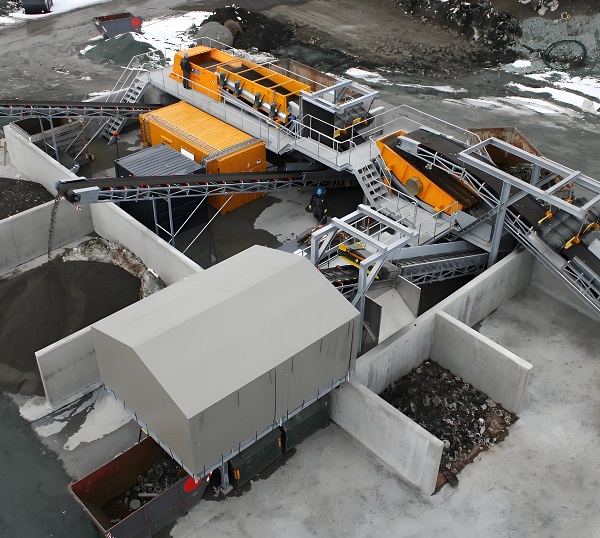
However, the application of landfill waste sorting equipment also faces some challenges. Firstly, the complexity and diversity of garbage require sorting equipment to have strong adaptability and flexibility. Secondly, the durability and stability of the equipment are also a test, as it is prone to wear and tear and malfunctions when working in harsh environments for a long time. In addition, the continuous updating and upgrading of technology also requires equipment manufacturers to continuously invest in research and development to maintain competitiveness.
The promotion of environmental policies and the improvement of public environmental awareness have provided a favorable external environment for the development of landfill waste sorting equipment. The government's policy support for garbage classification and resource recycling, as well as support for the environmental protection industry, all contribute to promoting technological progress and market expansion in this field. At the same time, with the improvement of people's living standards, the requirements for environmental protection are also increasing, which promotes the development of the garbage disposal industry towards a more environmentally friendly and efficient direction.
Looking ahead to the future, landfill waste sorting equipment will continue to develop towards intelligence and automation. By introducing technologies such as artificial intelligence and big data, more accurate garbage classification can be achieved, improving the efficiency of resource recycling. At the same time, the environmental performance of the equipment will also be further improved, such as reducing energy consumption, lowering noise and emissions, to adapt to stricter environmental standards.
The landfill waste sorting equipment, as an important component of the waste treatment field, the advancement of its technology and the promotion of its application are of great significance for promoting the resource utilization of waste, protecting the environment, and achieving sustainable development. In the face of challenges, we need to constantly innovate and improve, and jointly explore the infinite possibilities of a green future.

 Phone: +86 187 3819 4110
 E-mail: sales@zchmachinery.com
 Address: 36 xueyuan road, Zhengzhou City, Henan Province, China.


© 2025 ZhongCheng ECO
Technical support: Beijing Century Network