Focus on sharing technological innovation and application practices in the crushing field, and deeply explore high-efficiency and energy-saving technologies.
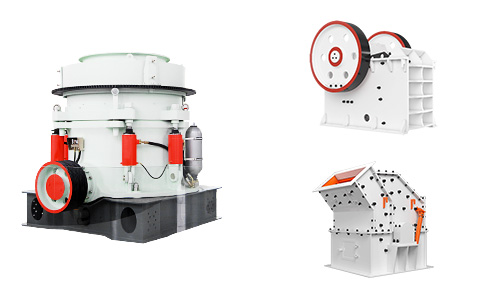
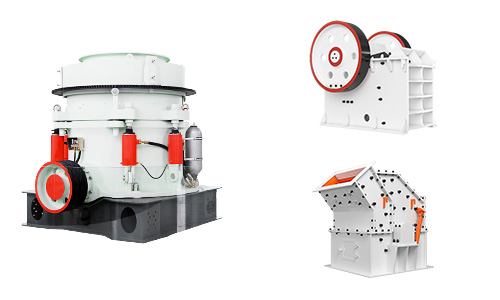
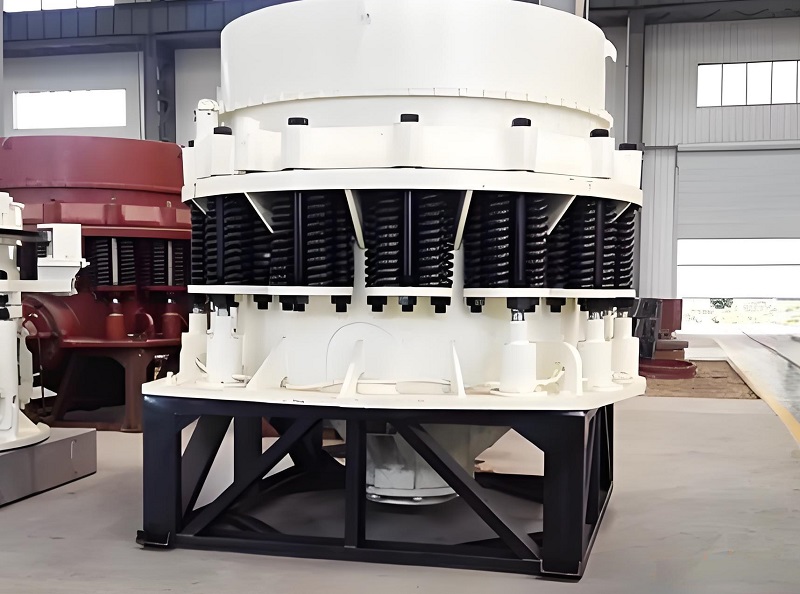
As a core piece of equipment in industries such as mining, sand and gravel, and building materials for crushing medium-hard and high-hardness materials, the spring cone crusher operates under harsh environments of high load, strong impact, and high dust levels. Its components are prone to wear, loosening, and aging. Without proper maintenance, this can not only reduce crushing efficiency and affect the quality of finished aggregates, but also lead to equipment failure, shortened lifespan, and even safety accidents. Standardized and routine maintenance is crucial for ensuring the stable operation of the spring cone crusher, improving production efficiency, and reducing operating costs. The core principle is "prevention first, maintenance combined with repair." Through daily inspections, regular maintenance, and precise fault repair, potential equipment hazards can be eliminated promptly, ensuring long-term efficient operation. This article, based on practical experience in equipment operation and maintenance, comprehensively outlines the maintenance details and key points of the spring cone crusher. The article provides practical guidance for standardized equipment operation and maintenance.
A. Daily Maintenance of Spring Cone Crusher: Building a Solid Foundation for Stable Equipment Operation
Daily maintenance is the foundation of equipment operation and maintenance. It requires daily inspections and timely maintenance, focusing on identifying potential operational hazards, keeping the equipment clean and in normal working condition. Simple operation methods effectively prevent small problems from escalating into major malfunctions. Before starting the machine each day, a comprehensive inspection of the equipment's appearance and core components is necessary. Check the springs for breakage, loosening, or loss of elasticity. As the core component for overload protection, any deformation or cracks in the springs must be marked immediately; starting the machine with faults is strictly prohibited. Inspect the inner wall lining, crushing wall, and grinding bowl for loosening, detachment, or excessive wear. Clean any residual material, debris, and agglomerated dust from the chamber to prevent material jamming and stalling after startup.
Simultaneously, check the tension and wear of the drive belt. Adjust the belt tension to ensure smooth transmission and prevent belt slippage that reduces crushing efficiency. Check the lubrication system for oil level and quality, ensuring sufficient lubricating oil without turbidity, impurities, or emulsification. Check for leaks in the oil lines and ensure the lubrication lines are unobstructed. During equipment operation, the operating status must be monitored continuously, paying attention to whether the machine vibration, noise, oil temperature, and oil pressure are normal. Overloading and feeding materials exceeding specifications are strictly prohibited. Control the feeding speed and material particle size to prevent uncrushable foreign objects from entering the crushing chamber. After shutdown, promptly clean the equipment surface of dust and residual materials, wipe off oil stains, and perform thorough cleaning. Simultaneously record the equipment's operating time, operating status, and any abnormalities to provide a basis for subsequent regular maintenance and repair.
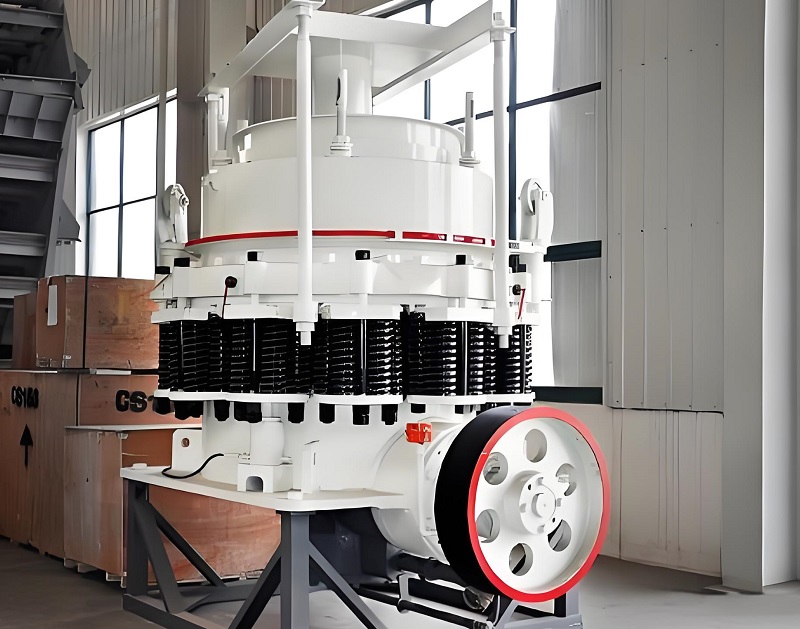
B. Regular Maintenance of Spring Cone Crusher: Extending Equipment Service Life
1. Monthly Maintenance: Refined Component Care
Monthly maintenance requires in-depth care of the core components of the equipment. Focus on checking the tightness of bolts and nuts, especially the connections in key areas such as the frame, main shaft, and liners. Long-term vibration and impact can easily cause loosening; tighten them one by one to prevent component displacement or detachment. Thoroughly clean the lubrication system, replace the lubricating oil filter, check the lubricating oil pressure and flow, and add sufficient grease to core friction parts such as bearings and transmission gears to ensure adequate lubrication and reduce dry friction wear. In addition, check and adjust the discharge port gap, verify that the output particle size meets the standards, and fine-tune equipment parameters to adapt to production needs; check the sealing devices for aging or damage, and replace damaged seals in a timely manner to prevent dust from entering the machine body, contaminating the lubricating oil, and wearing bearings.
2. Quarterly Maintenance: In-depth Inspection of Core Components
Quarterly maintenance requires disassembling some components for in-depth inspection, completely replacing the equipment lubricating oil, cleaning the oil tank of sediment and oil stains to ensure the lubrication system is clean; checking the wear of eccentric bushings and thrust bearings, measuring journal clearance, and repairing or replacing them promptly if wear exceeds the standard; checking the wear degree of vulnerable parts such as the crushing wall and grinding mill wall, recording wear data, and determining whether replacement is necessary, while tightening the liner pressure blocks to ensure a tight fit. Conduct a comprehensive inspection of the spring assembly, checking spring elasticity and for fatigue cracks, replacing failed springs, and ensuring the overload protection function is normal; check the gear meshing of the transmission system, clean impurities from the gear surfaces, apply special grease, and optimize transmission efficiency.
3. Annual Maintenance: Comprehensive Machine Upgrade and Maintenance
Annual maintenance is a comprehensive upkeep before major equipment overhaul. It requires disassembling the entire machine, inspecting and evaluating all components one by one, and replacing all aging and worn parts, including seals, bearings, liners, springs, and drive belts. Minor deformation and wear on core components such as the frame and main shaft are repaired; any cracked or severely deformed components are replaced immediately to eliminate safety hazards. A comprehensive inspection of the equipment's circuitry, control switches, and instruments is conducted, aging wiring is replaced, and instrument parameters are calibrated to ensure precise operation and safe running. Simultaneously, the machine body undergoes rust removal and anti-corrosion treatment, with anti-rust paint applied to enhance corrosion resistance and fully restore equipment performance to factory standards, laying a solid foundation for stable operation in the following year.
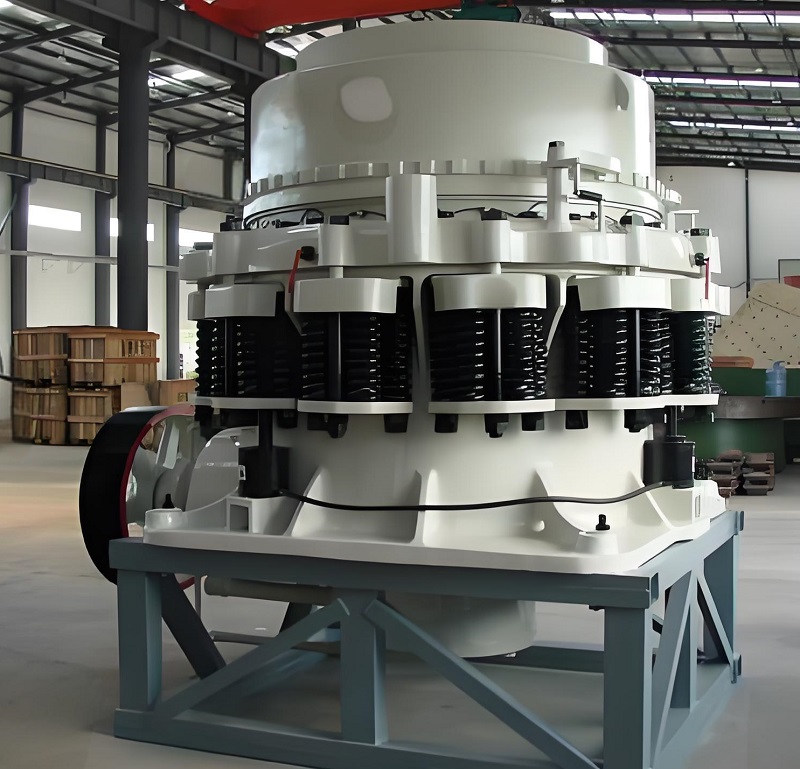
C. Common Fault Repair of Spring Cone Crusher: Precise Troubleshooting and Rapid Machine Restoration
1. Spring Overload Failure and Fracture Repair
Failure of the spring overload protection function and spring fracture in spring cone crushers are among the most frequent faults, often caused by prolonged impact, overload feeding, and spring aging and fatigue. When such a malfunction occurs, the machine must be stopped immediately, the material inside the crushing chamber cleaned, and all failed or broken springs replaced. Single spring replacement or substitution with inferior springs is strictly prohibited; ensure all springs are of consistent specifications and elasticity. Simultaneously, investigate the cause of overload, strictly control the feed particle size and feed rate, and prevent uncrushable foreign objects such as iron blocks and stones from entering the crushing chamber to reduce the instantaneous impact load on the springs. If springs break frequently, check if the crushing chamber clearance is reasonable, adjust equipment operating parameters, and optimize operating conditions to reduce spring failures at the source.
2. Liner Wear, Loosening, and Detachment Repair As a core wear component, the liner is subject to long-term impact and wear from materials, easily leading to loosening, detachment, and localized damage. This not only affects crushing efficiency but can also damage the machine body. During maintenance, the machine must be stopped to clean the materials inside the cavity, remove damaged liners, clean impurities and dust from the installation area, replace with brand new wear-resistant liners, ensure a tight fit between the liners and the machine body, tighten the pressure block bolts, and take anti-loosening measures. For slightly worn liners, wear-resistant welding rods can be used for repair to extend their service life. Daily maintenance requires strict control of material hardness to reduce direct impact from sharp, hard objects on the liners and slow down the liner wear rate.
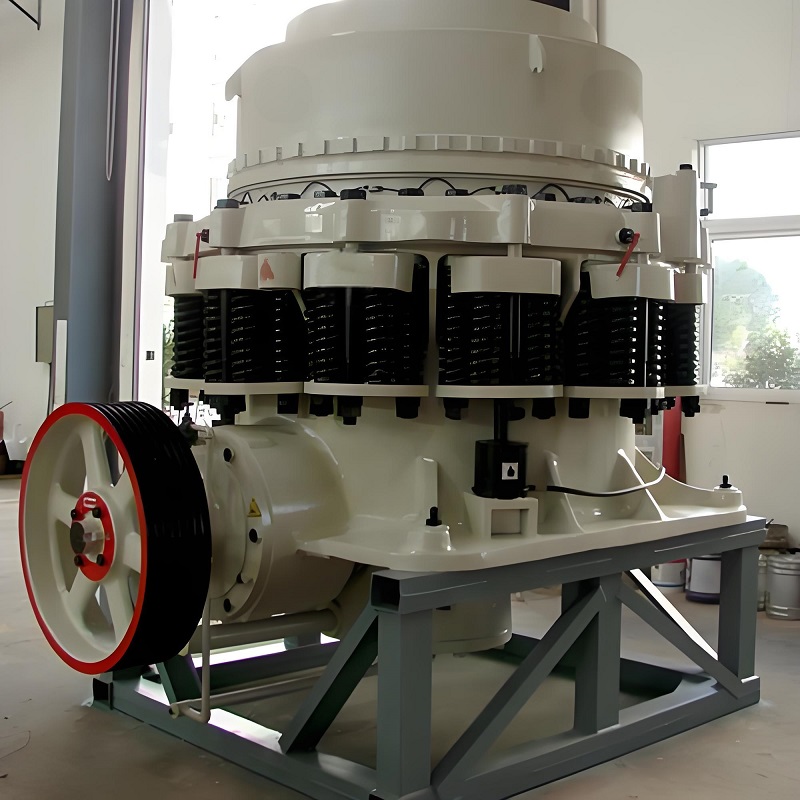
3. Bearing Overheating and Abnormal Noise Repair Bearing overheating and abnormal noise are often caused by insufficient lubrication, lubricating oil contamination, bearing wear, or improper clearance. During maintenance, first check the lubrication system, replace cloudy or excessively impurity-laden lubricating oil, clean any blockages in the oil passages, and ensure smooth oil flow and adequate lubrication. Disassemble the bearing to inspect for wear. If pitting, cracks, or ball bearing damage are found, immediately replace with a bearing of the same specification and adjust the bearing clearance to ensure precise assembly. In addition, check the sealing devices, replace damaged seals, prevent dust from entering the bearing, and strictly control the amount of lubricating oil added daily to avoid overheating caused by insufficient or excessive oil. 4. Repairing Uneven Discharge Particle Size and Reduced Capacity Uneven discharge particle size and a significant reduction in equipment capacity are often caused by excessive discharge port clearance, excessive liner wear, uneven feeding, or slipping drive belts. During repair, first precisely adjust the discharge port clearance to ensure the output particle size meets standards; replace excessively worn liners to restore normal crushing conditions in the crushing chamber; adjust feeder parameters to ensure uniform and quantitative feeding, avoiding segregated feeding; inspect the drive belt, replace aged or slipping belts, and adjust belt tension to ensure stable power transmission. Simultaneously, clean accumulated material from the crushing chamber, check for abnormal machine vibration, tighten loose parts, and fully restore equipment capacity and crushing accuracy.
Maintenance and repair of spring cone crushers must strictly adhere to safety regulations. All maintenance and repair operations must be performed only after the machine has completely stopped and the material inside the chamber has been cleared. Operating the machine while it is powered on or performing maintenance while the power is on is strictly prohibited to prevent mechanical injury and electric shock accidents. Maintenance and repair must use original equipment manufacturer (OEM) parts and lubricants. Inferior parts and non-standard oils should be avoided as they can negatively impact equipment performance and extend component lifespan. A comprehensive equipment maintenance log should be established, detailing maintenance time, items, repair content, and parts replacement. This facilitates tracking equipment operating conditions and enabling the development of targeted maintenance plans. Operators must undergo professional training, becoming familiar with the equipment structure, operating principles, and maintenance points. They must operate the equipment correctly, avoiding improper operations such as unauthorized feeding and overloading, thus reducing malfunctions at the source.
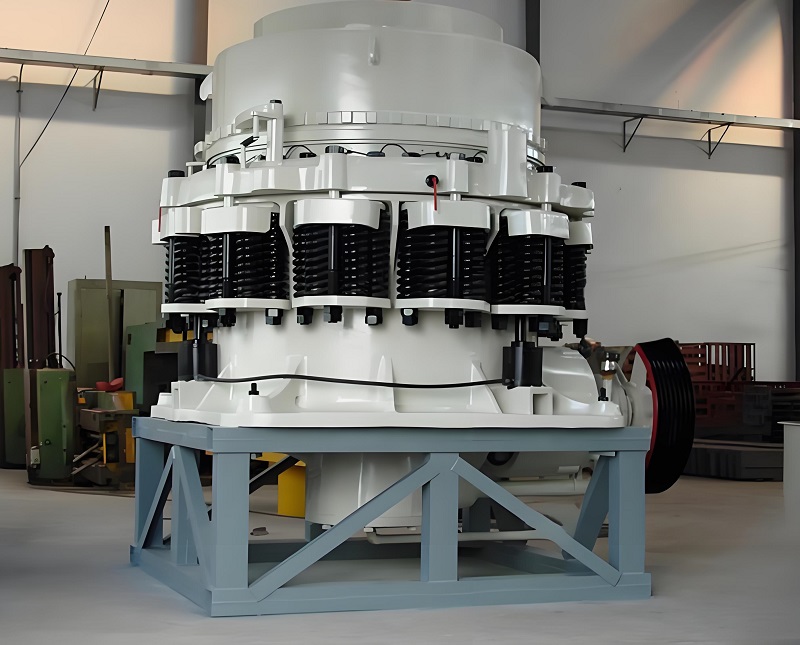
Maintenance and repair of spring cone crushers is a systematic process. Daily inspections to prevent potential problems, regular maintenance to extend lifespan, and precise repairs to reduce losses are all indispensable and complementary. Only by adhering to a standardized, routine, and meticulous maintenance philosophy, strictly implementing various maintenance procedures, and accurately handling various malfunctions can the long-term stable operation of the equipment be guaranteed, crushing efficiency improved, maintenance costs reduced, and the equipment's production capacity fully utilized, thus safeguarding the company's production operations.

 Phone: +86 187 3819 4110
 E-mail: sales@zchmachinery.com
 Address: 36 xueyuan road, Zhengzhou City, Henan Province, China.


© 2025 ZhongCheng ECO
Technical support: Beijing Century Network