Share the latest waste screening and crushing machines and equipment, the latest waste screening and crushing technology and solutions blog.
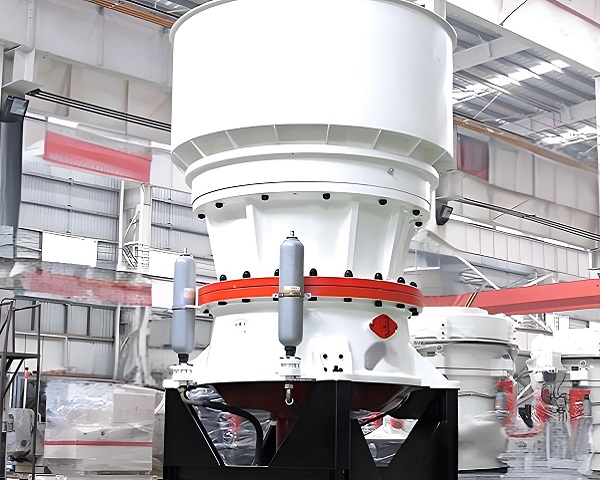
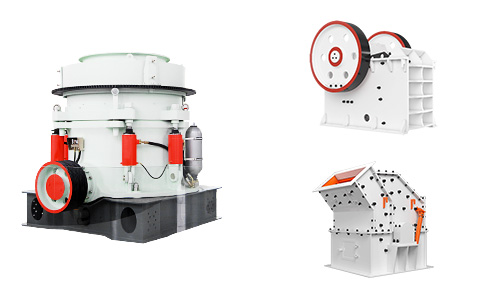
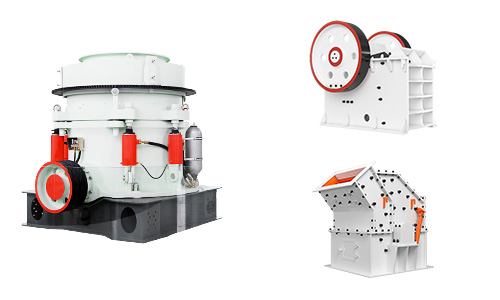
This article will systematically dissect the structural features and technical advantages of the hydraulic cone crusher, and explain its value in combination with actual application scenarios, providing technical reference for high-end recycled aggregate production projects.
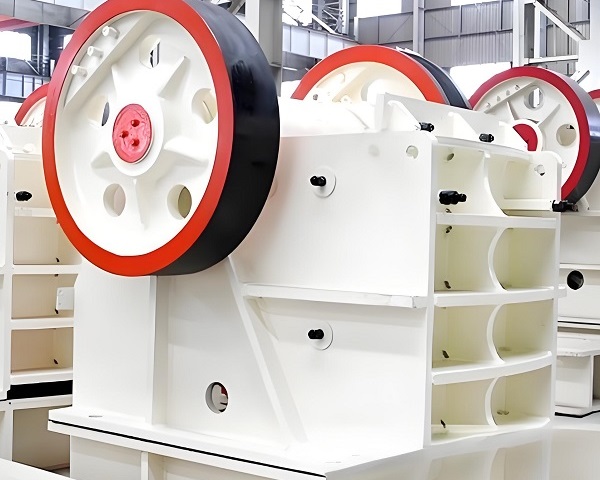
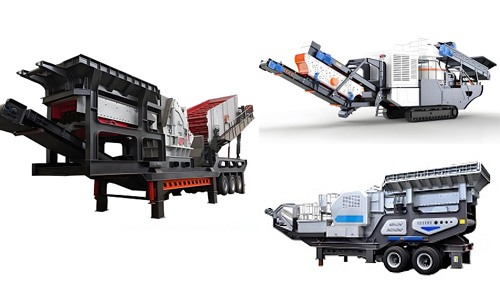
This article will systematically analyze the technical characteristics, application scenarios, core advantages, and combination solutions of various types of equipment, providing a comprehensive reference for construction waste crushing projects.
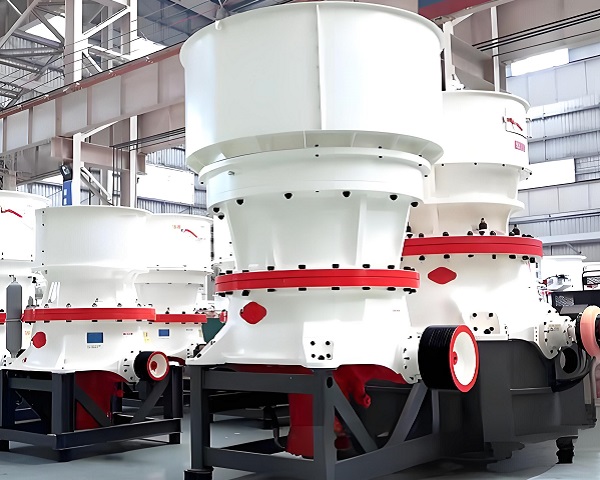
This article will comprehensively analyze the technical value and practical advantages of single cylinder cone crushers from two aspects: core characteristics and prominent advantages, combined with practical application cases.
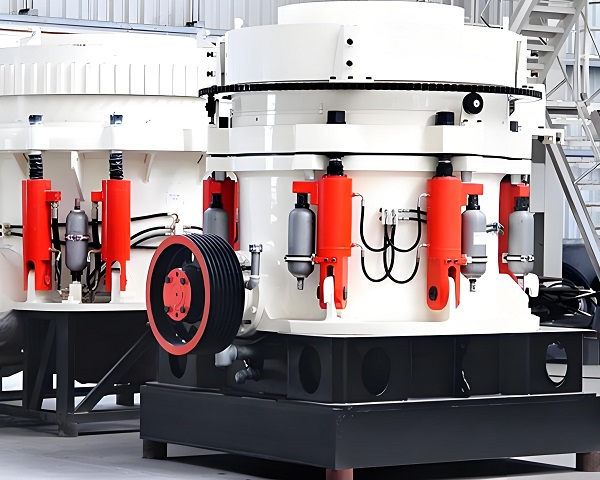
The maintenance of cone crushers should follow the principle of first identifying the root cause, then precise repair, and finally long-term prevention. Based on different types of faults and the structural characteristics of the equipment, maintenance plans should be developed. At the same time, a prevention system should be established through daily inspections, regular maintenance, and personne...
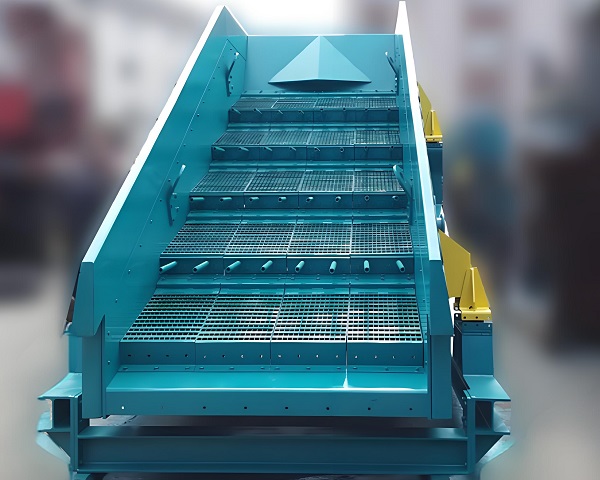
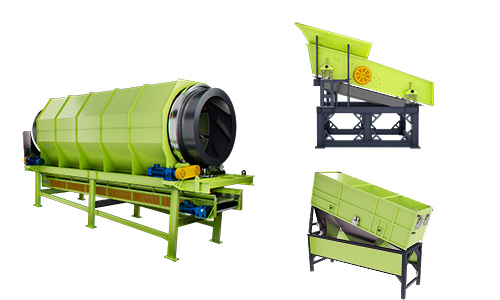
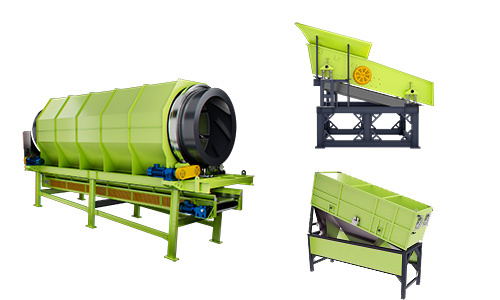
Finger Screens achieve efficient screening of large, hard, and impurity-containing materials through scientific material selection and design optimization.
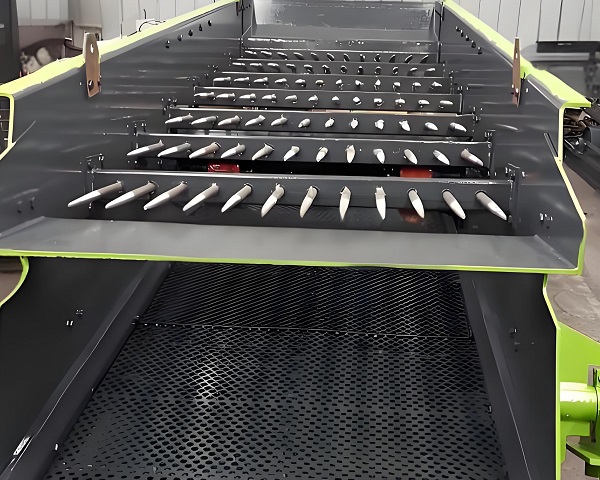
The large garbage removal screen uses the principle of physical screening to accurately separate large impurities from materials, providing qualified raw materials for subsequent processes. It is the core equipment to ensure the stable, efficient, and safe operation of the production line.
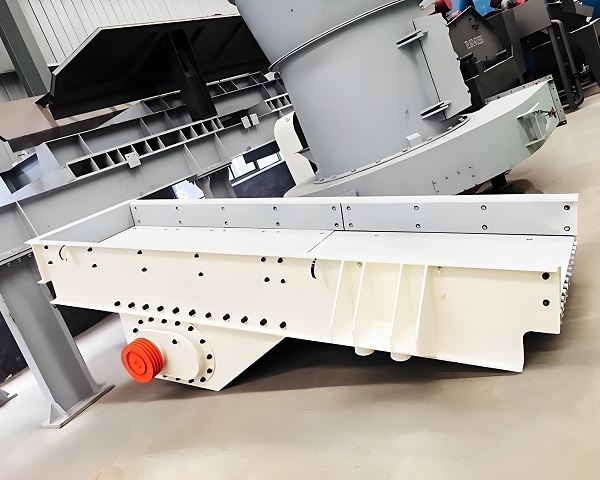
Vibrating feeders are indispensable in the production processes of many industries. Their features such as precise feeding, simple structure, low energy consumption, and long service life solve many pain points of traditional feeding equipment and provide strong support for the efficient, stable, and automated operation of industrial production.
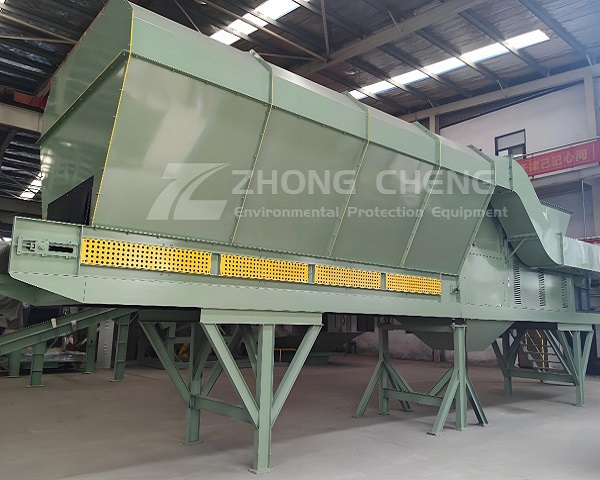
As a sorting device that relies on the coordinated operation of airflow and machinery, the service life of an air classifier is affected by many factors, including the suitability of the selected model, the quality of daily maintenance, the wear resistance of components, and the stability of the operating conditions.
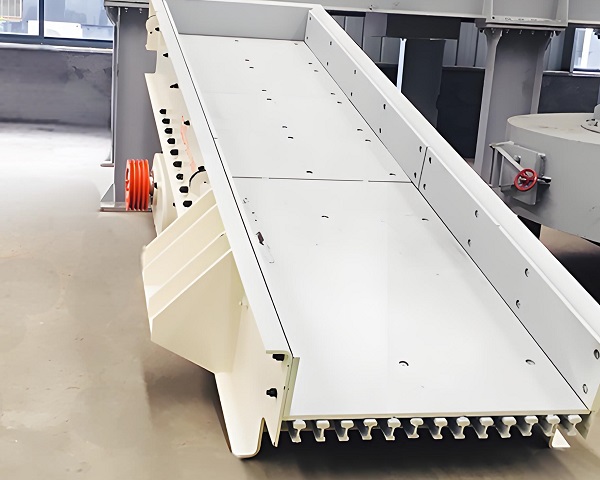
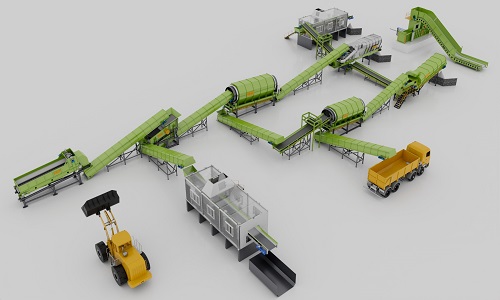
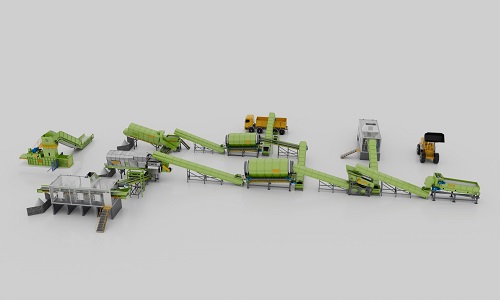
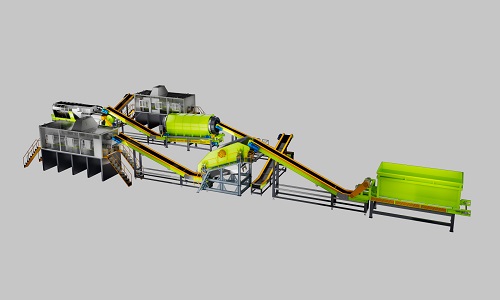
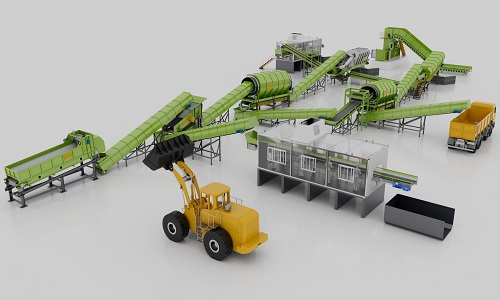
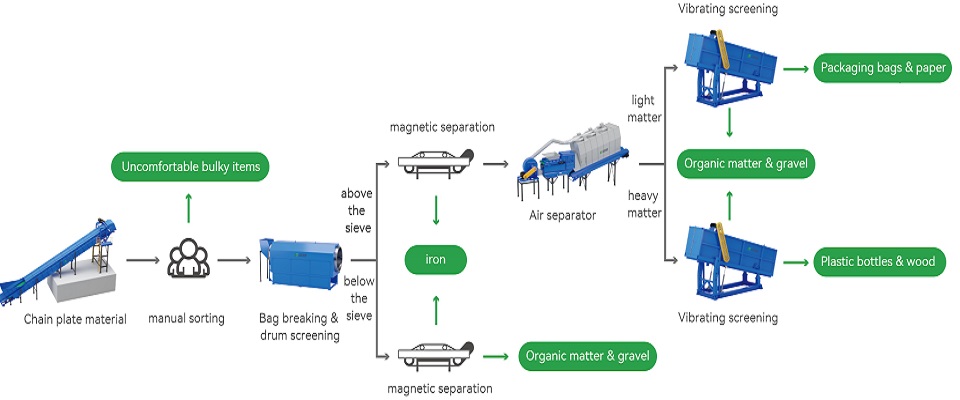
The aged waste screening and processing system achieves precise waste sorting and maximizes resource utilization through mechanized and intelligent collaborative operations.
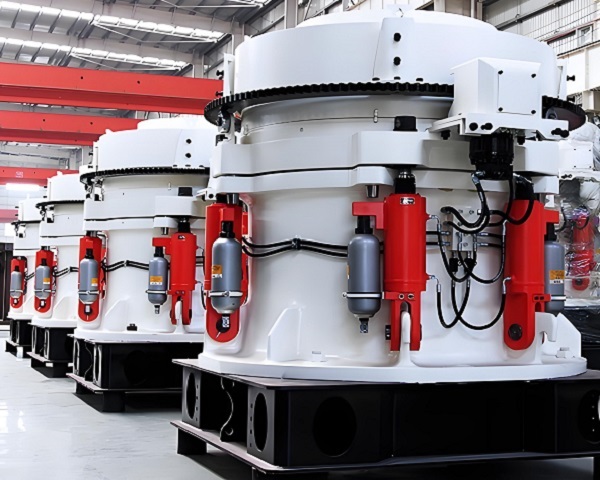
Cone crushers play a crucial role in industrial crushing, assisting in ore processing, aggregate production, waste recycling, and engineering support, thus providing support for multiple industries.
 Phone: +86 187 3819 4110
 E-mail: sales@zchmachinery.com
 Address: 36 xueyuan road, Zhengzhou City, Henan Province, China.


© 2025 ZhongCheng ECO
Technical support: Beijing Century Network