Shares the latest waste recycling machines, production lines, and technical solutions.
 Home > Blogs > Waste Recycling
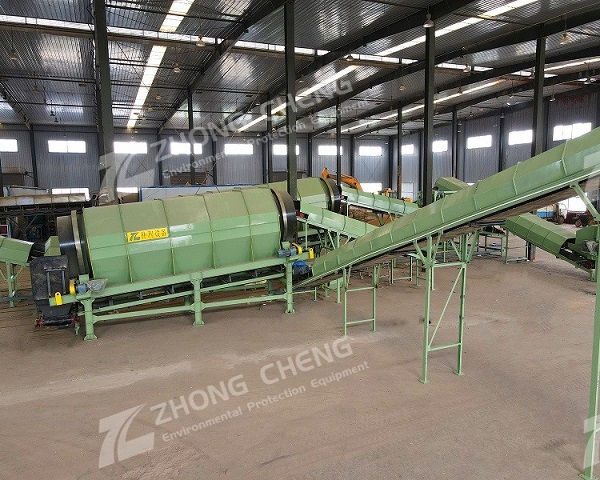
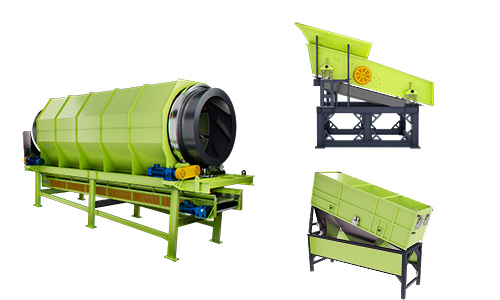
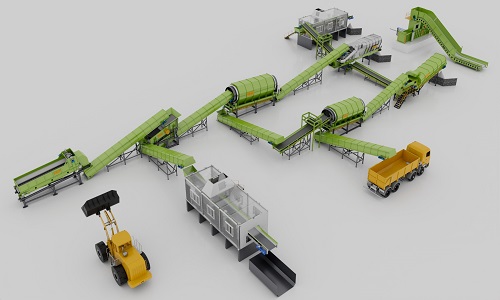
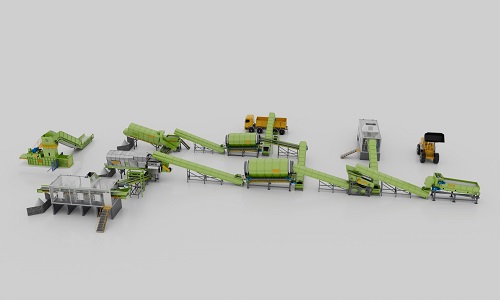
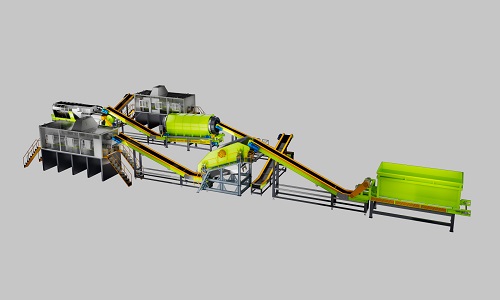
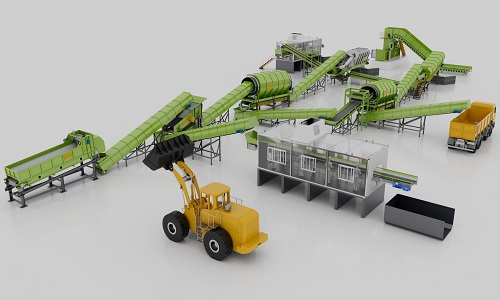
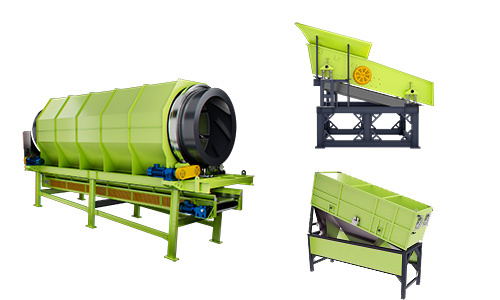
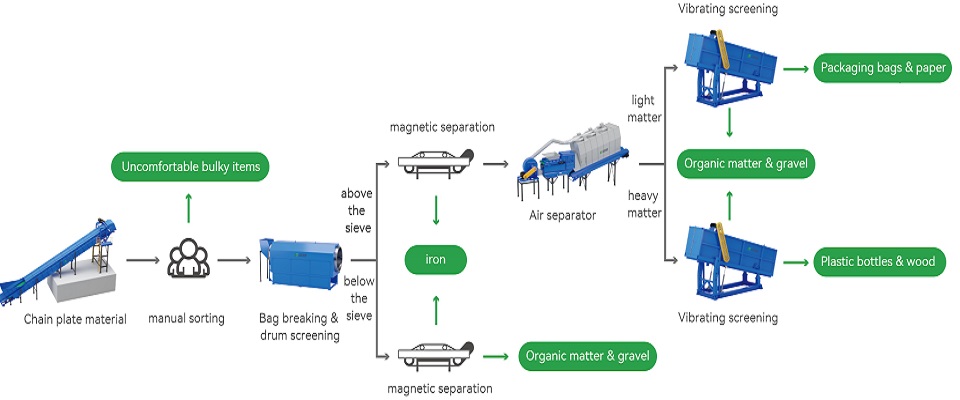
The screening of aged waste takes “pretreatment-fine screening-mud and stone separation-auxiliary sorting” as its core steps. The main equipment such as bar screen, shaftless drum screen and disc screen, along with magnetic separation and air separation auxiliary equipment, work together to build a professional treatment system suitable for wet, sticky and complex materials.
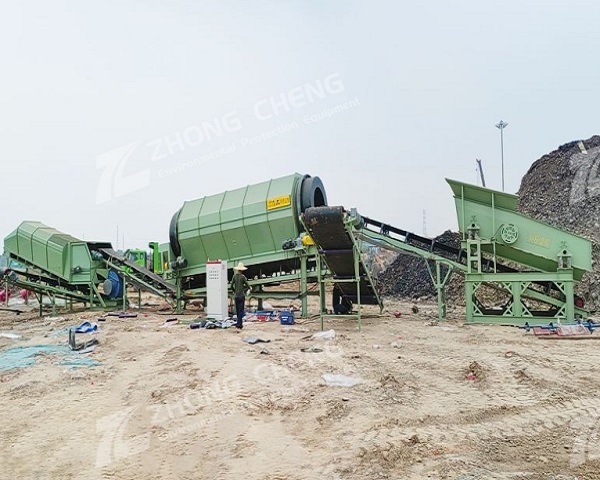
As a core piece of specialized equipment for managing existing waste, aged waste screening equipment is tailor-made to address the pain points of aged waste disposal. It combines unique equipment features with significant application advantages, enabling both precise waste sorting and solving disposal challenges.
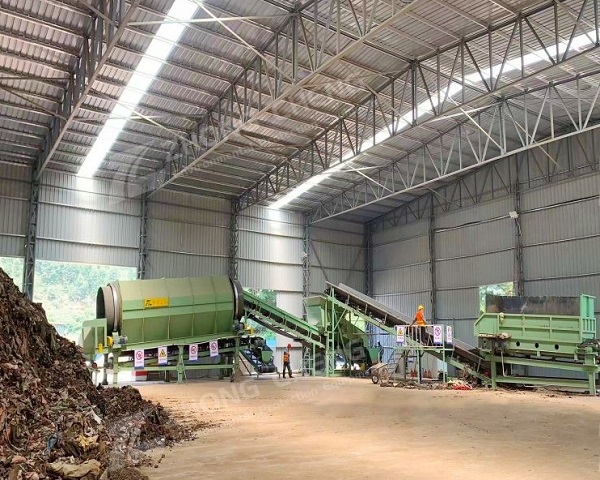
The screening of aged refuse serves as both a necessary measure to mitigate the ecological risks posed by accumulated waste and to align with ecological governance policies, and a pivotal instrument for achieving waste reduction, harmless disposal, and resource utilization.
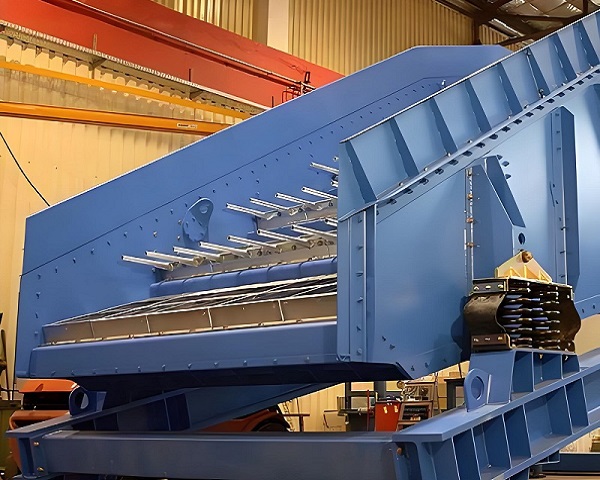
The screening of aged waste presents unique challenges due to its complex composition, high moisture content, and high levels of contaminants, resulting in high demands for clog prevention, strict requirements for equipment compatibility, and harsh working conditions.
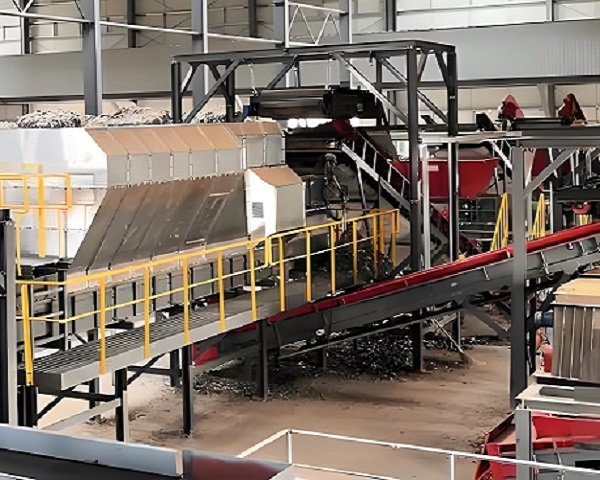
The efficiency and accuracy of landfill waste sorting equipment are crucial. Efficient sorting equipment can process large amounts of garbage in a short period of time, reducing labor and time costs.
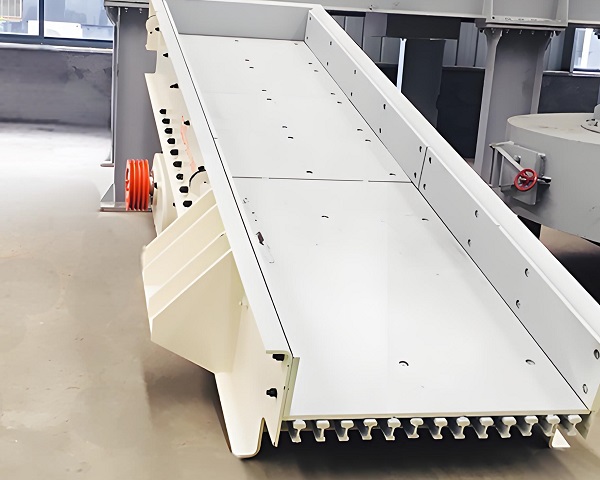
The aged waste screening and processing system achieves precise waste sorting and maximizes resource utilization through mechanized and intelligent collaborative operations.
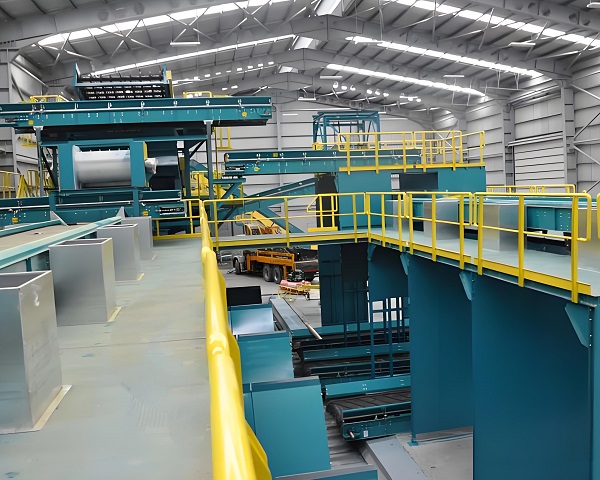
The unique characteristics of industrial waste treatment systems stem from the unique and high-risk nature of the waste they treat. Achieving the goals of "harmless disposal, volume reduction, and resource utilization" requires a coordinated approach of classified disposal, specialized technology, weather-resistant equipment, strict supervision, and standardized management.
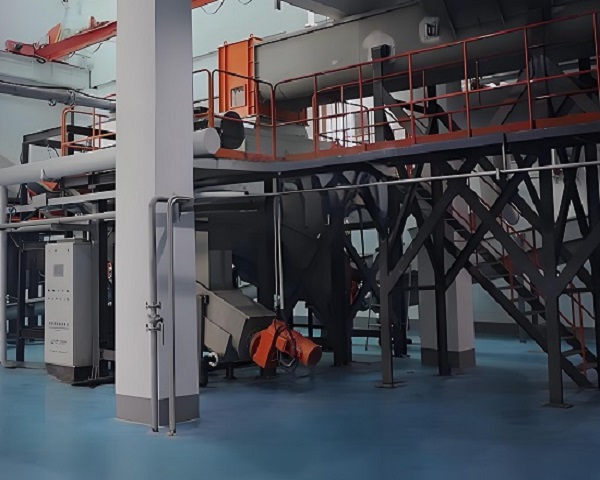
Sieving domestic waste is a critical link between waste collection and final disposal. Its operational compliance directly impacts subsequent resource recovery efficiency and environmental compliance.
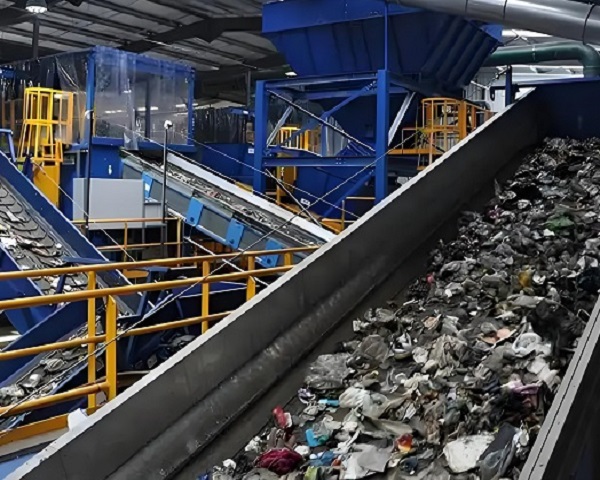
Aged waste typically refers to mixed waste that has been stored for a long time and has undergone extensive degradation and fermentation. Its composition is complex and contains large amounts of leachate and humus, as well as non-degradable materials such as plastics, metals, and glass.
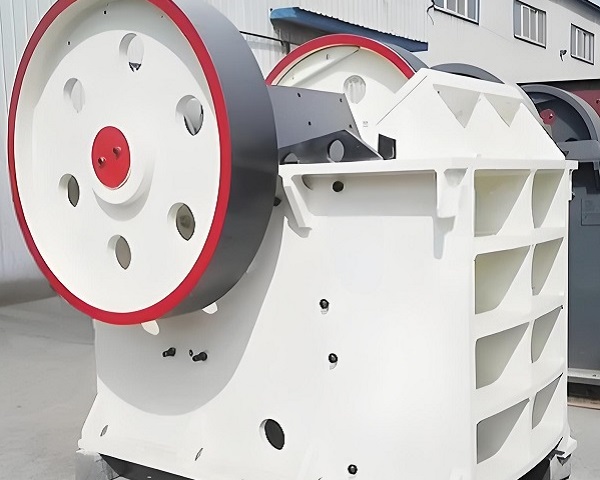
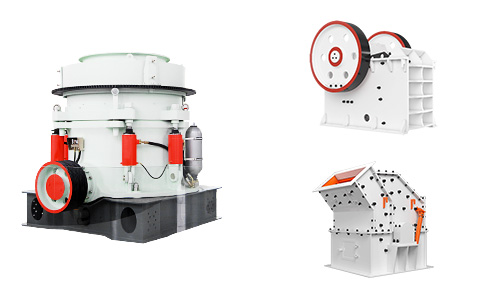
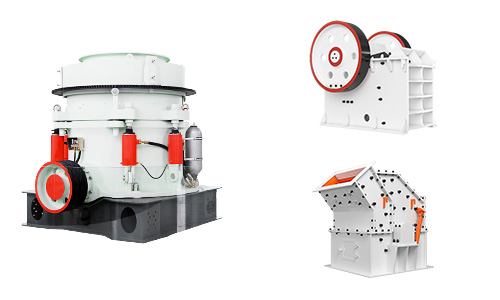
Construction waste crushing and screening equipment constitutes the core link of construction waste resource utilization through the coordinated cooperation of crushing and refinement + screening and purification.
 Phone: +86 187 3819 4110
 E-mail: sales@zchmachinery.com
 Address: 36 xueyuan road, Zhengzhou City, Henan Province, China.


© 2025 ZhongCheng ECO
Technical support: Beijing Century Network